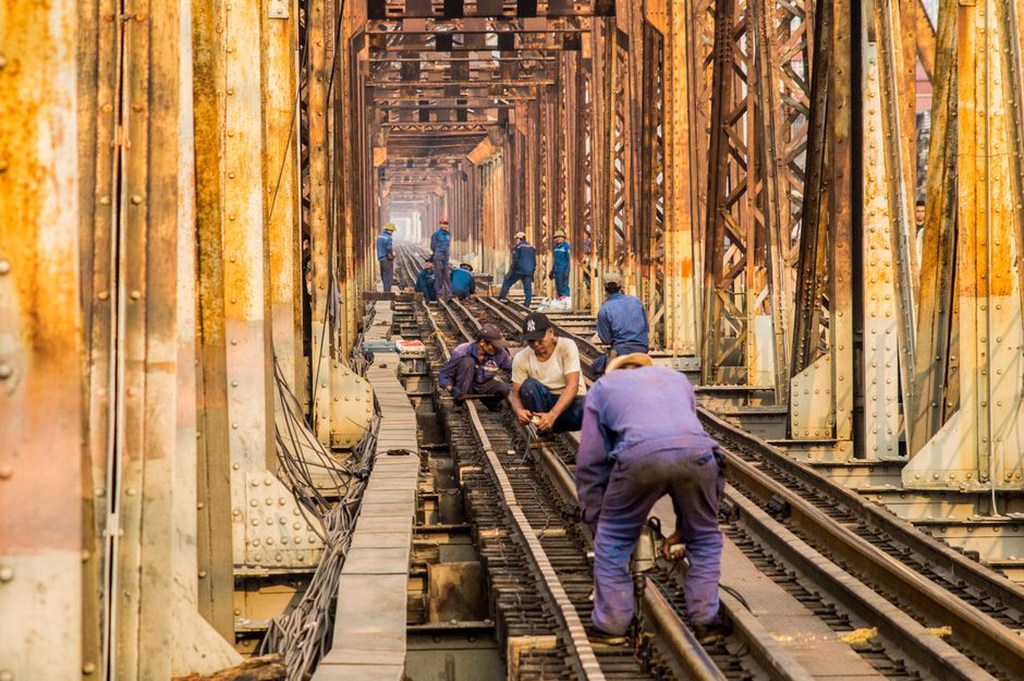
Understanding the Importance of Bridge Inspections
Bridges play a vital role in our transportation systems, allowing for the smooth flow of traffic and goods over obstacles like rivers and valleys. Ensuring their structural integrity is crucial for public safety and the efficient functioning of transport networks. Regular inspections are key to spotting potential problems before they escalate into serious issues. Over the years, bridge inspection methods have advanced significantly, incorporating new technologies to improve accuracy and efficiency.
Common Bridge Inspection Techniques
Bridge inspections are generally divided into visual inspections, non-destructive testing (NDT), and advanced monitoring systems. Each method has its strengths, and often, a mix of techniques is used for a thorough evaluation.
Visual Inspections
Visual inspections are the simplest form of bridge assessment. Inspectors look for visible damage, such as cracks, rust, and bending. This method is cost-effective but depends heavily on the inspector's skills and experience.
Non-Destructive Testing (NDT)
NDT methods are essential for evaluating bridge components without causing harm. Techniques like ultrasonic testing, radiography, and magnetic particle testing are widely used. Ultrasonic testing involves sending sound waves through materials to find defects. Radiography uses X-rays to check the internal structure, while magnetic particle testing identifies surface and subsurface issues in ferromagnetic materials.
Advanced Monitoring Systems
Technological progress has led to sophisticated monitoring systems, including sensors and IoT devices for continuous condition tracking. Systems such as accelerometers, strain gauges, and fiber optic sensors provide real-time data on structural health, facilitating predictive maintenance and timely interventions.
- Accelerometers: Measure vibrations and movements to understand dynamic behavior.
- Strain Gauges: Track structural deformation under load.
- Fiber Optic Sensors: Offer high sensitivity and precision for detecting small changes in structural integrity.
Challenges in Bridge Inspections
Despite the availability of various inspection techniques, challenges remain. Accessibility is often a problem, especially for large or remote bridges. Weather conditions can also hinder inspections. Additionally, interpreting data from advanced systems requires specialized knowledge.
Understanding risks in bridge engineering is crucial for overcoming these challenges. For a deeper insight into risk management, refer to our detailed discussion on Understanding Risks in Bridge Engineering.
Innovations in Inspection Techniques
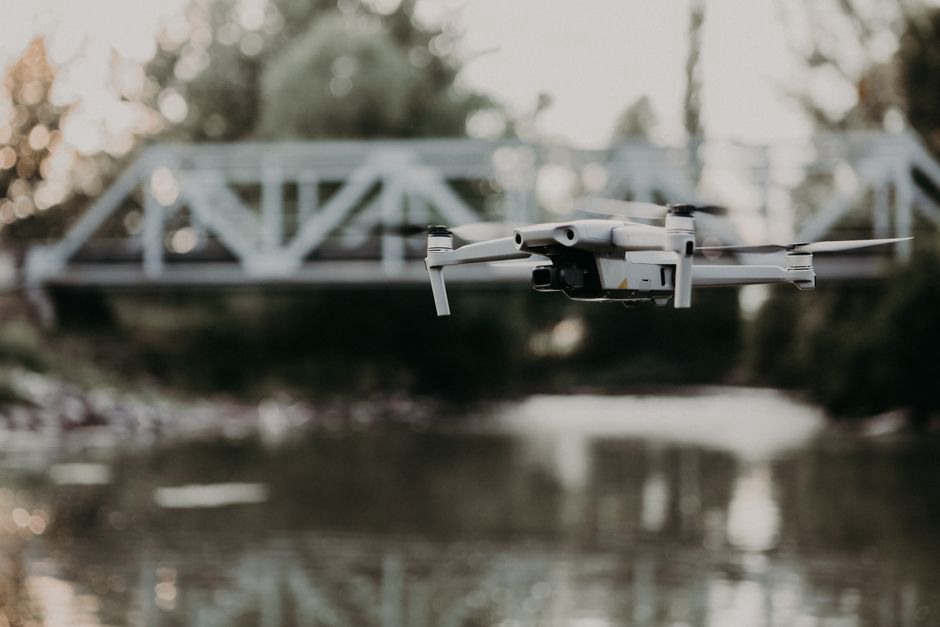
Innovations are continually shaping the future of bridge inspections. Drones have become valuable tools for aerial inspections, reaching difficult areas and capturing detailed images. Machine learning algorithms are being developed to analyze visual data and detect anomalies with greater precision than traditional methods.
Another promising development is the use of smart materials that can monitor and report their condition. These materials could change maintenance strategies, reducing the need for frequent manual checks.
Case Study: Enhancing Bridge Safety
In earthquake-prone areas, ensuring bridges can withstand seismic activity is crucial. Thorough evaluations and retrofitting strategies are necessary. For insights on improving bridge safety against earthquakes, consider exploring our article on Enhancing Bridge Safety Against Earthquakes.
Climate change also poses new challenges for bridge maintenance and safety. Rising temperatures, increased precipitation, and extreme weather events require adaptive strategies. For more on this topic, see our analysis on Adapting Transport Infrastructure to Climate Change Challenges.
Conclusion: The Future of Bridge Inspections
The future of bridge inspections is likely to be shaped by the integration of new technologies and innovative materials. While traditional methods remain important, embracing advanced monitoring systems and machine learning models can improve the accuracy and efficiency of inspections. As technology progresses, real-time monitoring and predictive maintenance will become essential in ensuring the safety and reliability of our bridges.