
Critical Importance of Tunnel Safety
Tunnels are vital parts of our transport networks, allowing us to traverse difficult landscapes with ease. However, their safety is a top priority due to the severe consequences of any structural failures or accidents. Advanced diagnostic tools are essential in maintaining tunnel safety by offering detailed insights into their structural health and spotting potential risks before they become major problems.
Modern Diagnostic Techniques
Technological progress has brought about significant changes in how we conduct tunnel diagnostics. Here are some of the main techniques used today:
- Ground-Penetrating Radar (GPR): This method uses electromagnetic waves to uncover subsurface issues like voids or moisture, giving a detailed view of the tunnel's internal structure without causing any damage.
- Laser Scanning: By creating accurate 3D models of tunnel surfaces, laser scanning helps engineers detect deformations or other structural changes over time.
- Thermal Imaging: This technique identifies temperature variations on tunnel surfaces, which can indicate problems like water leaks or insulation breakdowns that might affect the tunnel's stability.
- Fiber Optic Sensors: These sensors provide continuous data on strain, temperature, and vibration, enabling ongoing monitoring of the tunnel's condition.
Integration with Geotechnical Monitoring
Combining advanced diagnostics with geotechnical monitoring provides valuable data on ground movements and stresses, helping to predict and reduce risks linked to geological conditions like land subsidence or earthquakes, which can impact tunnel stability.
Predictive Maintenance Strategies
Using data from advanced diagnostics, engineers can adopt predictive maintenance strategies. These strategies aim to foresee potential failures and conduct maintenance proactively, reducing downtime and prolonging the tunnel's lifespan. For example, if diagnostics reveal early signs of concrete fatigue, targeted repairs can be scheduled to strengthen vulnerable areas before they worsen.
Case Studies and Success Stories
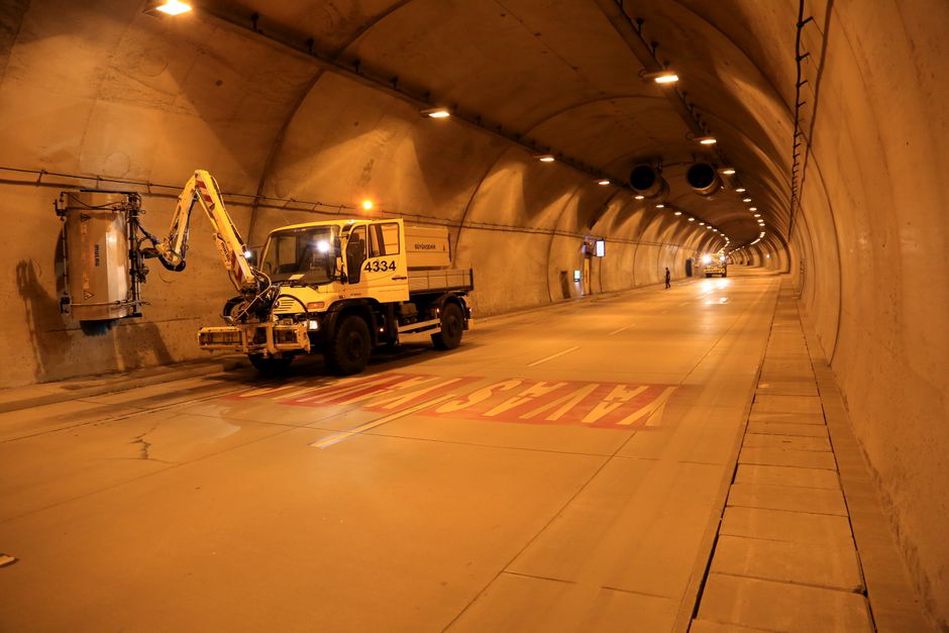
Across the globe, several projects have successfully utilized advanced diagnostics to bolster tunnel safety. The Gotthard Base Tunnel in Switzerland, one of the longest and deepest tunnels, employs a mix of laser scanning and fiber optic sensors to safeguard its structural integrity. These technologies have been crucial in identifying early wear and tear, allowing for prompt corrective measures.
Challenges in Implementing Advanced Diagnostics
Despite their advantages, deploying advanced diagnostics in tunnel safety management is not without challenges. High initial costs, the complexity of integrating different diagnostic systems, and the need for skilled personnel to interpret data are significant obstacles. Nevertheless, the long-term benefits, such as enhanced safety and lower maintenance costs, often outweigh these initial difficulties.

The Future of Tunnel Safety
As technology continues to advance, the role of diagnostics in tunnel safety is expected to grow. Innovations in data analytics and machine learning could further refine diagnostic capabilities, leading to even more accurate predictions of tunnel behavior and risks. These evolving technologies will be crucial in maintaining the safety and reliability of tunnels worldwide.
In conclusion, advanced diagnostics are essential for ensuring tunnel safety. They provide critical tools for early risk detection and support proactive maintenance strategies. As technology progresses, integrating these diagnostics into tunnel infrastructure will become more straightforward, leading to safer travel for everyone.