
Sustainable Design Principles in Transport Infrastructure
Transport infrastructure is a cornerstone of economic growth, connecting communities and facilitating trade. Yet, as we build these essential networks, it's crucial to incorporate sustainable practices that reduce environmental harm and boost resilience. This involves a holistic approach, taking into account environmental, social, and economic impacts throughout the lifecycle of transport projects.
Environmental Considerations
To achieve environmental sustainability, transport infrastructure must focus on cutting carbon emissions, protecting biodiversity, and conserving resources. One effective strategy is selecting materials and construction techniques with a minimal environmental impact. For example, incorporating recycled materials into road pavements helps save natural resources and cut down on waste.
The article Exploring Sustainable Materials for Road Pavements provides insights into eco-friendly materials that can be used in pavement design.
Social and Economic Sustainability
Social sustainability in transport projects means enhancing community well-being and ensuring equitable access to services. Infrastructure should be designed to minimize disruption and improve accessibility for everyone, including people with disabilities. On the economic front, sustainable practices involve maximizing the cost-effectiveness of investments through life-cycle cost analysis and efficient resource management.
Techniques for Sustainable Infrastructure Design
Adopting sustainable practices involves using modern techniques and technologies. Key methods include:
- Life-Cycle Assessment (LCA): Evaluating the environmental impacts of a project from start to finish to optimize resource use and minimize waste.
- Geotechnical Innovation: Using advanced geotechnical methods to ensure stable and resilient foundations, as detailed in Pavement Design: Balancing Cost and Performance.
- Adaptive Design: Developing flexible infrastructure that can adapt to future changes in traffic or environmental conditions, thereby enhancing long-term resilience.
Case Studies in Sustainable Design
Several projects around the world demonstrate the success of sustainable transport design. Innovative rail track maintenance techniques, explored in Modern Innovations in Rail Track Maintenance, have extended the life and efficiency of rail systems while reducing their environmental footprint.
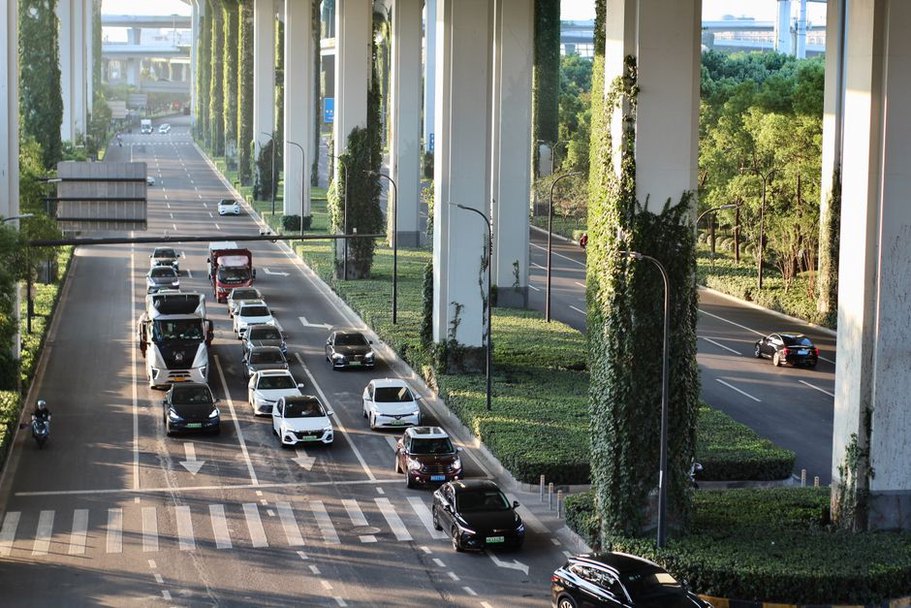
Another example is the integration of green spaces along transport corridors, which not only enhances visual appeal but also supports biodiversity and improves air quality.
Challenges and Future Directions
Despite the growing adoption of sustainable practices, challenges persist. These include the higher initial costs of sustainable materials and technologies, regulatory barriers, and the necessity for stakeholder engagement. However, the long-term advantages, such as lower maintenance costs and increased resilience, make these challenges worthwhile to overcome.
Conclusion
Building resilient and efficient transport networks that meet current and future needs requires the adoption of sustainable design principles. By focusing on environmental, social, and economic sustainability, engineers and designers can create infrastructure that not only fulfills its intended function but also contributes to a healthier planet.