Maintaining transportation infrastructure through pavement rehabilitation is vital for road safety and longevity. Recent advancements in technology and materials have led to more efficient and durable methods for rehabilitating pavements.
Modern Techniques in Pavement Rehabilitation
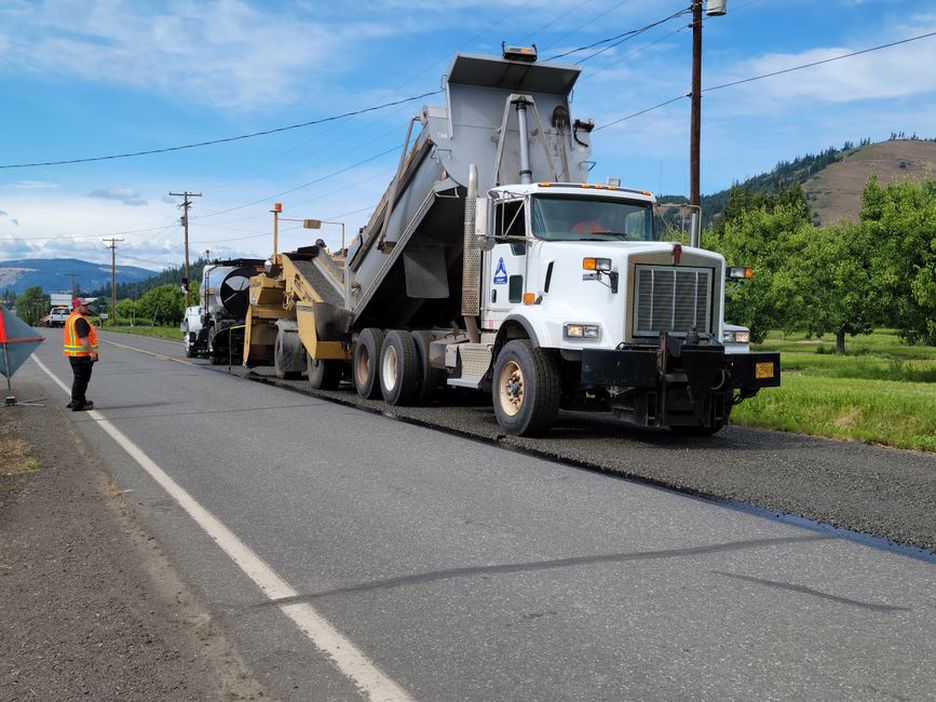
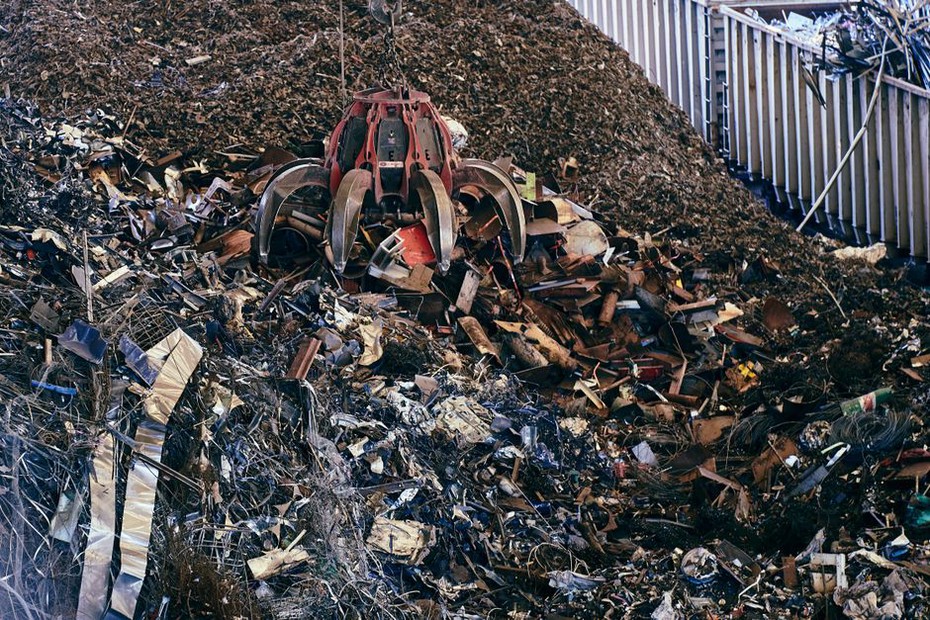
One notable advancement is the use of recycled materials like Reclaimed Asphalt Pavement (RAP). This process involves milling existing asphalt surfaces and reprocessing them into new pavement mixtures, which helps conserve natural resources and reduce costs.
Geosynthetics are also being used innovatively in pavement layers. These materials improve the mechanical properties of pavements by providing reinforcement, separation, filtration, drainage, and barrier functions. The article The Vital Role of Geosynthetics in Modern Transport Infrastructure discusses how these materials enhance infrastructure durability.
Cold In-Place Recycling (CIR)
Cold In-Place Recycling is an eco-friendly method that reprocesses existing pavement materials directly on-site, reducing the need for new materials and minimizing transportation costs. CIR is particularly effective for correcting surface irregularities and improving the structural capacity of pavements.
Advanced Diagnostic and Monitoring Tools
Engineers now have access to sophisticated diagnostic tools that allow for a better assessment of pavement conditions. Non-destructive testing methods, such as Ground Penetrating Radar (GPR) and Falling Weight Deflectometers (FWD), provide accurate evaluations of sub-surface conditions without damaging the pavement.
Data analytics and predictive modeling are also increasingly used to forecast pavement deterioration trends, enabling maintenance teams to address potential issues proactively.
Improving Surface Treatments
Surface treatments play a crucial role in extending pavement life and enhancing resistance to environmental factors. New sealants and overlays are designed to withstand water penetration, UV radiation, and temperature fluctuations. The inclusion of polymers in these treatments has improved their effectiveness, offering longer-lasting protection.
- Microsurfacing: This involves applying a mixture of polymer-modified asphalt emulsion, aggregate, water, and additives to the pavement surface. It's a quick and cost-effective way to restore road surface properties and improve skid resistance.
- Rubberized Asphalt: By incorporating recycled tire rubber into asphalt mixtures, this method enhances flexibility and reduces noise pollution, while also helping to reduce waste tires in landfills.
Environmental and Economic Benefits
These advancements in pavement rehabilitation offer significant environmental and economic advantages. By utilizing recycled materials and reducing the demand for new resources, these methods support sustainability and cost savings. The enhanced durability of rehabilitated pavements also means fewer repairs and less traffic disruption, boosting economic efficiency.
As transportation infrastructure evolves, innovative rehabilitation techniques will play an increasingly important role. By adopting these methods, engineers can ensure our roadways remain safe, reliable, and sustainable for future generations.