Understanding Ground Settlements
Ground settlements involve the downward shift of the earth's surface, influenced by both natural and human activities. For geotechnical engineers, grasping these movements is vital as they directly affect the stability of infrastructure, especially railways. Causes of settlement include soil consolidation, mining, and changes in groundwater levels. These shifts can result in uneven tracks, misalignment, and even track failure, posing significant safety risks to rail operations.
Causes of Ground Settlements
- Soil Consolidation: The weight from railway structures can gradually compress soil particles, leading to natural subsidence.
- Water Table Fluctuations: Variations in groundwater levels can cause soil to expand or contract, affecting ground stability.
- Mining Activities: Excavations and extractions create voids beneath the surface, resulting in subsidence.
- Seismic Activity: Earthquakes can trigger sudden ground settlements, severely impacting railway infrastructure.
Impact on Railway Infrastructure
The structural integrity of railway tracks is highly sensitive to ground movements, leading to several issues:
Track Misalignment
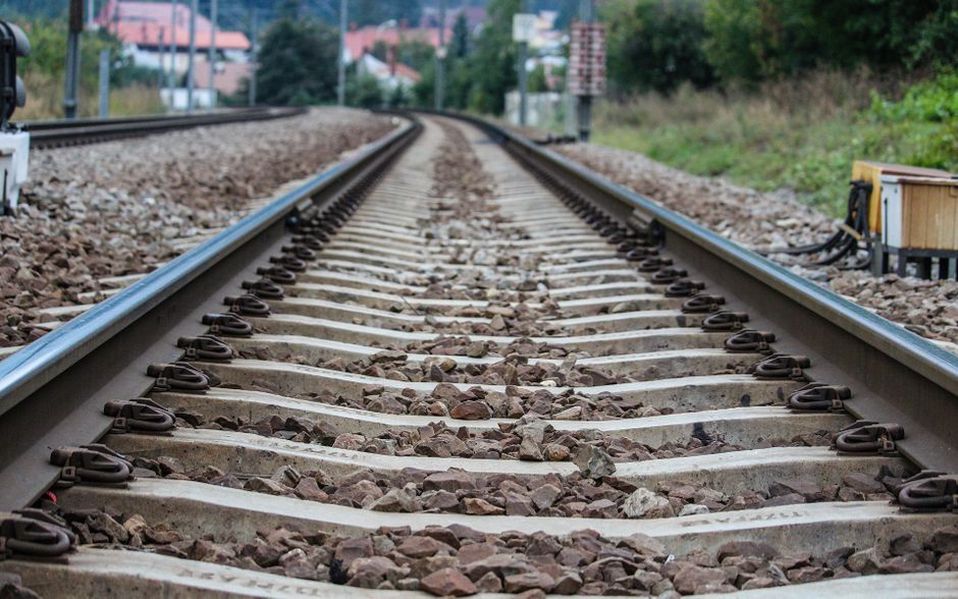
One immediate consequence of ground settlement is track misalignment. Shifting ground can cause rails to become uneven, increasing wear on rolling stock and raising the risk of derailments.
Infrastructure Damage
Bridges, tunnels, and other railway structures are vulnerable to damage from ground settlements. Differential settlements can cause cracks and weaken bridge structures. Innovations Shaping the Future of Bridge Construction explores how modern techniques address these challenges.
Operational Disruptions
Settlements can lead to delays and interruptions in rail services. Continuous monitoring and maintenance are essential for safety and efficiency, as discussed in Advanced Techniques for Diagnosing Transport Infrastructure.
Mitigation Strategies
Addressing ground settlement challenges involves several strategies:
Soil Monitoring
Regular monitoring of soil conditions is crucial for predicting and managing settlements. Technologies like geotechnical sensors offer real-time data on soil movements. For more insights, see The Crucial Role of Soil Monitoring in Transport Infrastructure.
Improved Design Techniques
Advancements in geotechnical engineering provide innovative design solutions to mitigate settlement impacts. Reinforced earth structures and deep foundation systems enhance stability against subsidence.
Regular Maintenance
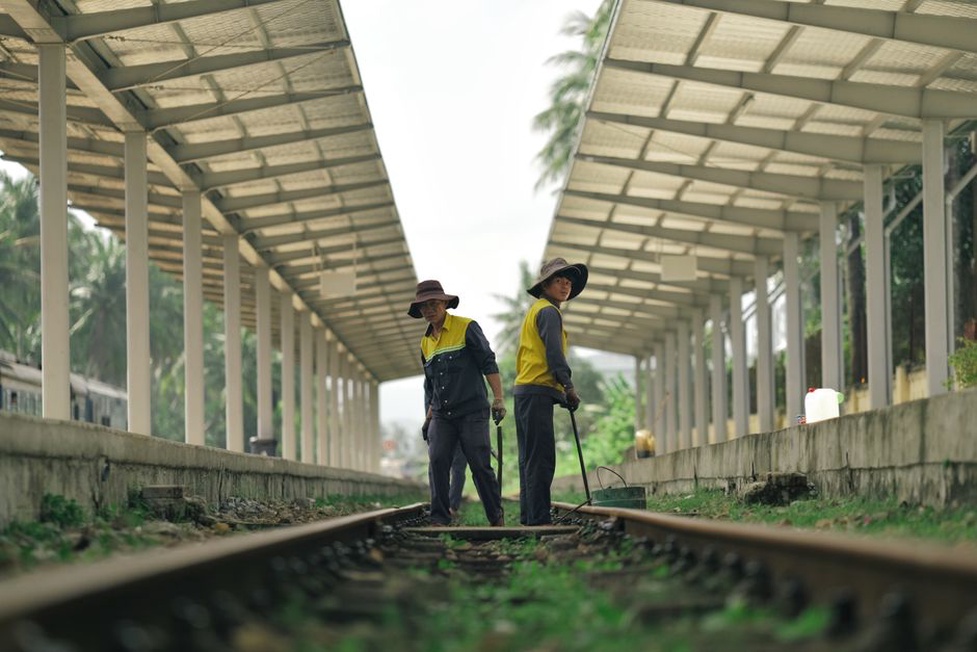
Proactive maintenance schedules are essential for identifying and addressing early signs of settlement. This includes aligning tracks and reinforcing affected structures to prevent further damage.
Risk Assessment and Planning
Thorough geological surveys and risk assessments before construction help anticipate potential settlement issues. This planning phase is crucial in designing resilient railway systems that can withstand ground movements.
Case Study: Effective Management of Ground Settlements
Consider a railway network in a region prone to frequent groundwater fluctuations. By implementing a soil monitoring system and utilizing advanced geotechnical techniques, the region maintained track alignment and prevented operational disruptions. This approach underscores the importance of integrating technological innovations with traditional engineering practices to bolster infrastructure resilience.
Understanding and managing ground settlements is key to maintaining the safety and reliability of railway systems. Through ongoing monitoring, innovative engineering solutions, and strategic maintenance, the impacts of settlements can be minimized, safeguarding infrastructure and the communities it serves.