
Effective pavement management is vital for keeping transport infrastructure safe and efficient. Restoration goes beyond fixing visible damage; it involves strategic measures to prevent future issues. Here, we explore practical methods for restoring pavement and extending its lifespan.
Understanding Pavement Deterioration
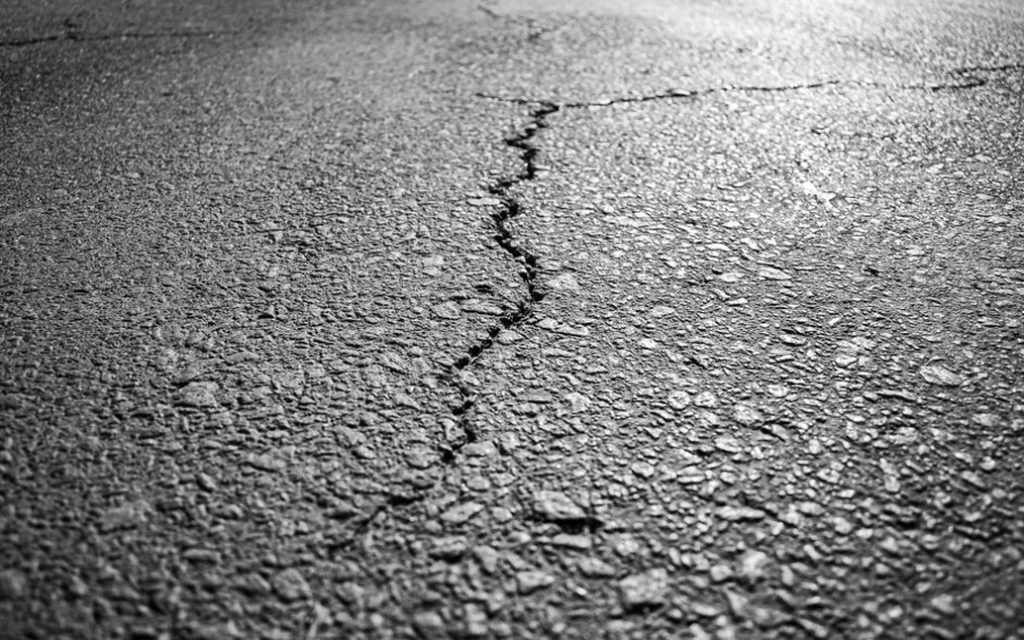
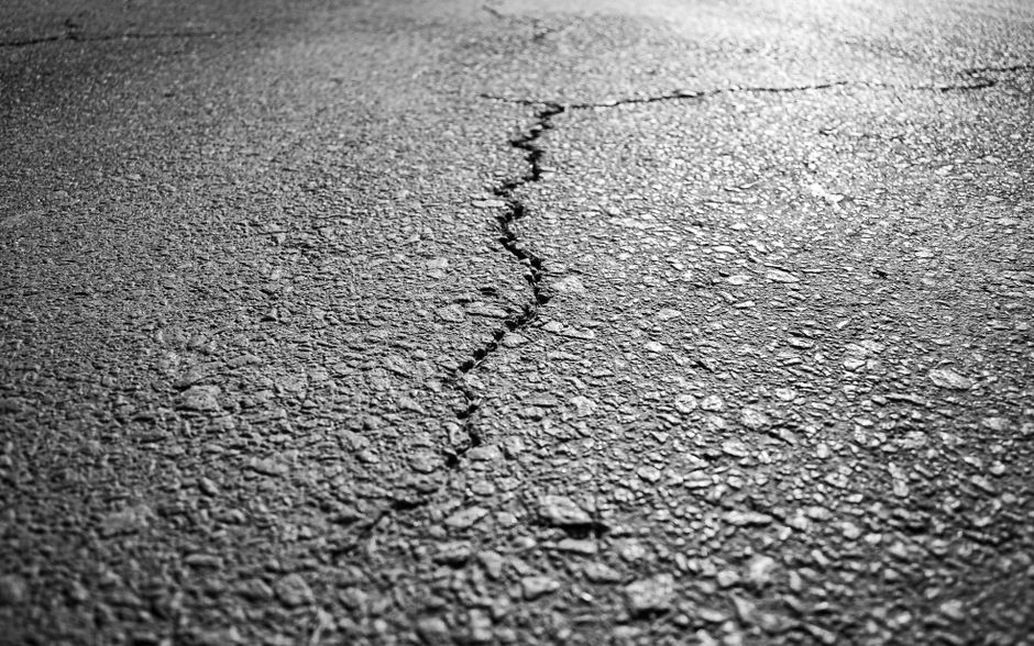
Pavement damage often results from heavy traffic, harsh weather, and aging materials. Pinpointing these causes is crucial for selecting the right repair techniques. Common problems like cracks, rutting, potholes, and subsidence often stem from poor material quality, inadequate drainage, or neglect in maintenance.
Material Selection and Reliability
Choosing the right materials is key in pavement restoration. High-quality, durable materials can greatly increase pavement longevity. The role of material reliability in transport engineering highlights the need for materials that can endure environmental pressures and heavy use. Innovations like polymer-modified asphalt and geosynthetics are becoming popular for their ability to boost pavement performance.
Advanced Restoration Techniques
Several advanced techniques are available for pavement restoration, each tailored to specific damage types:
- Overlay Systems: Adding a new surface layer can address surface issues and enhance structural capacity.
- Full-Depth Reclamation: This method involves recycling existing layers with stabilizers to create a new base, suitable for deep structural failures.
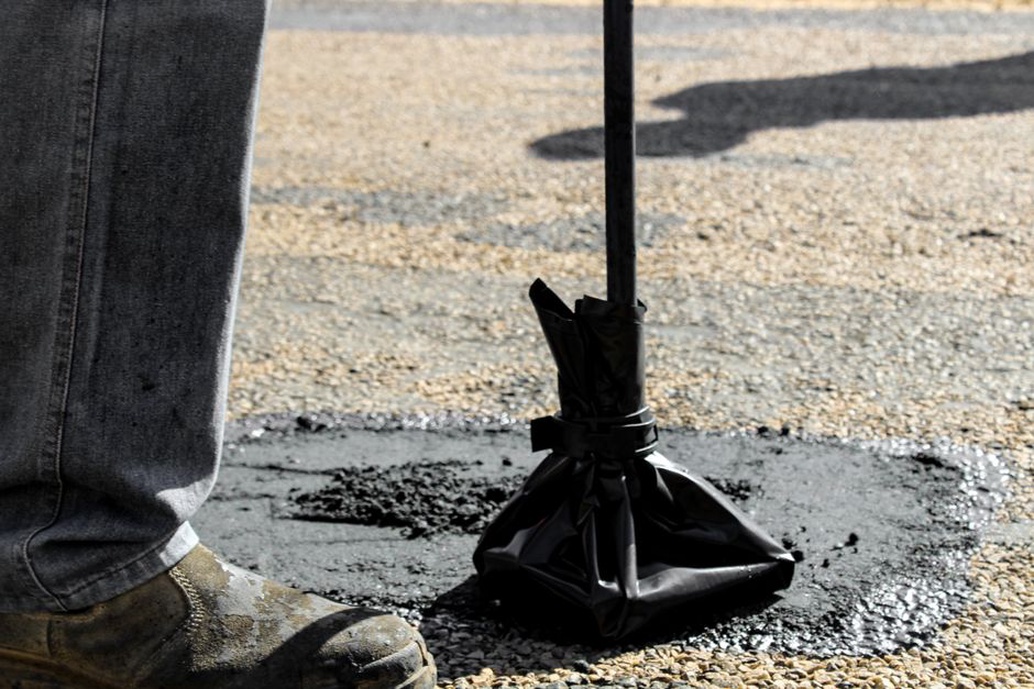
- Crack Sealing: Sealing cracks prevents water entry and further damage, crucial for maintaining surface integrity.
- Cold In-Place Recycling: An eco-friendly approach that recycles materials on-site, minimizing waste and the need for new resources.
Monitoring and Maintenance
Ongoing monitoring and regular upkeep are essential for maintaining pavement quality. Using diagnostic technologies allows for early issue detection. Advanced techniques for diagnosing transport infrastructure provide insights into using modern tools for effective monitoring. Tools like Ground Penetrating Radar (GPR) and infrared thermography can identify subsurface issues and guide maintenance planning.
Addressing Environmental and Seismic Risks
Environmental factors like temperature changes, precipitation, and seismic events can speed up pavement wear. Strategies to mitigate these risks are crucial. Proper drainage systems, for instance, can prevent water buildup and freeze-thaw cycles. In earthquake-prone areas, understanding seismic risks for transport infrastructure is vital for designing pavements that can withstand tremors.
Implementing a Holistic Approach
A holistic approach to pavement restoration integrates design, material choice, and maintenance to create lasting infrastructure. By focusing on long-term solutions, transport engineers can significantly improve pavement durability. Collaboration among engineers, material scientists, and construction experts is essential for developing innovative solutions suited to specific environmental and traffic conditions.
Ultimately, successful pavement restoration demands a deep understanding of deterioration causes, careful material selection, advanced repair methods, and proactive maintenance. By embracing a multidisciplinary approach and utilizing modern technology, infrastructure experts can maintain durable and functional pavements, supporting safe and efficient transportation networks.