
A leaking bridge expansion joint can direct chloride-bearing runoff onto a pier cap, even when the deck concrete is sound. The damage may appear some distance from the leak: water reaches the reinforcement, corrosion products expand, and the concrete cover cracks or spalls. Extending service life takes more than a strong mix. It also means controlling where water goes, checking the work as built, and acting before deterioration affects the structure.
Start with exposure, not compressive strength
Concrete must remain fit for its purpose under the conditions it actually faces. Compressive strength matters, but it says little on its own about resistance to fluid ingress, chemical attack or cracking. Exposure can differ within the same structure. A bridge soffit may stay relatively dry while the deck edge receives de-icing spray; one tunnel-lining joint may face persistent groundwater pressure while another remains dry.
An asset survey should distinguish areas exposed to splash, standing water, freeze–thaw cycles, marine salts, aggressive soils and abrasion. Details that collect runoff warrant close attention. For below-ground elements, changes in groundwater level can matter alongside the chemistry measured during construction. Settlement and restrained movement may open cracks through otherwise suitable concrete. Where ground behaviour is part of the risk, soil mechanics in transport foundation design provides a basis for examining support conditions.
Match the material to the deterioration mechanism
Limit ingress while managing cracking
Chlorides can initiate reinforcement corrosion once sufficient concentrations reach the steel. Carbon dioxide can reduce the alkalinity that protects reinforcement, particularly where cover is thin or cracked. Dense, well-cured concrete and adequate cover slow these processes. Neither makes up for a leaking joint or poorly consolidated concrete.
Mixture selection therefore needs to account for transport properties as well as strength. Water-to-binder ratio, binder type, aggregate quality and admixtures influence permeability, shrinkage, workability and early-age behaviour. Supplementary cementitious materials may improve resistance to some exposures, but their effects on early strength and curing need project-specific evaluation. Nor is low permeability enough if thermal or shrinkage restraint produces connected cracks. Joint locations, reinforcement detailing, placement sequence and temperature control all influence whether the finished member meets its intended crack-control assumptions.
Freeze–thaw exposure calls for a different measure. Where concrete becomes saturated and freezes repeatedly, a suitable air-void system provides space for water to expand. Surface scaling under de-icing conditions also depends on finishing and curing; sealing a surface finished too early will not repair a weak near-surface layer. For sulfate-bearing soils or groundwater, assess the actual chemical environment rather than assuming that all underground concrete faces the same attack.
Specify the details that keep water moving
Water management often determines whether ageing proceeds as expected or deterioration accelerates. Drainage outlets should discharge clear of vulnerable concrete, while joint assemblies need to be accessible for inspection and replacement. Drip edges, falls and continuous waterproofing reduce unintended wetting. At bearing seats and parapet connections, small areas of ponding can create repeated local exposure that a general deck specification misses.
Severe exposure or costly future access may justify protective systems, corrosion-resistant reinforcement or increased cover. Selection calls for lifecycle evaluation: the initial durability benefit, compatibility with the concrete, inspectability, and what happens if a coating or membrane fails. A surface treatment is no substitute for working drainage.
Protect design intent during construction
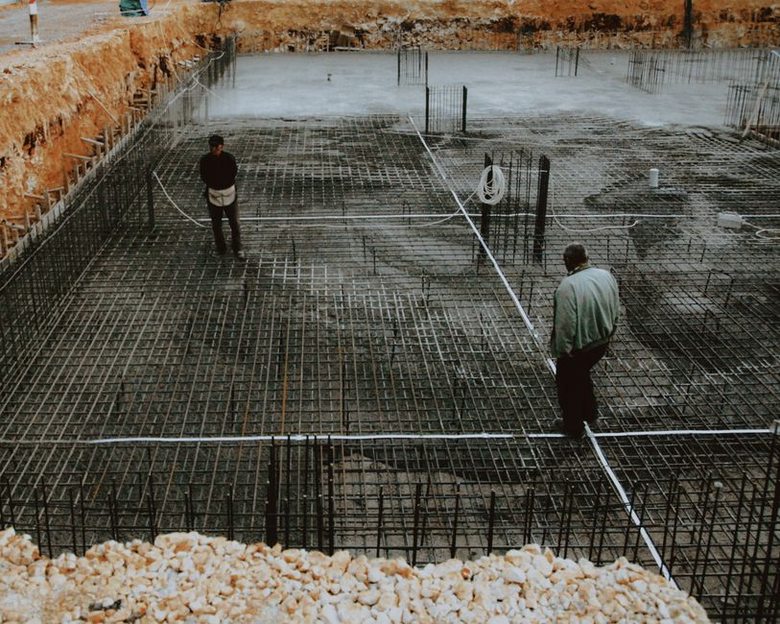
Interfaces between trades and work stages are vulnerable points for durability. Specified cover means little if reinforcement moves during a pour. A sound mixture can develop a porous surface if workers overwork it, add water or fail to cure it adequately. Congested reinforcement can leave voids unless the placement and consolidation methods suit the geometry.
- Before placement: check reinforcement position, cover provision, form tightness, joint preparation and access for consolidation.
- During placement: record delivered material characteristics, changes to the approved mixture, placing conditions and interruptions that could create a weak interface.
- After placement: verify curing duration and method, inspect early cracking and surface defects, and document repairs before the element is concealed.
Acceptance testing should address the properties specified. Strength specimens establish one property; they cannot show whether in-place cover, curing or resistance to ingress meets the design intent. Depending on the asset and exposure, measured cover, surface absorption, electrical indicators or other durability-related tests may provide additional evidence. Interpret results against the specified method and variation across the structure, rather than relying on one isolated reading.
Inspect by mechanism and rate of change
Inspection records are more useful when they locate defects relative to exposure and track how those defects change. Crack width alone does not establish a cause. Orientation, depth, moisture, staining, movement and proximity to reinforcement or joints also matter. Rust staining or delamination may point to corrosion; patterned cracking and scaling may indicate other processes. Cover measurement, chloride profiles, carbonation depth or selective opening-up can help confirm a diagnosis when each test addresses a defined question.
A baseline recorded soon after construction helps separate original blemishes from developing damage. Repeat observations should use consistent locations and methods. On a bridge, comparing measurements near a leaking joint with less-exposed areas of similar construction can help distinguish local ingress from a wider material problem. Instrumented monitoring earns its place when it informs a decision about movement, moisture or corrosion activity—not merely because continuous data can be collected.
Repair the cause before restoring the surface
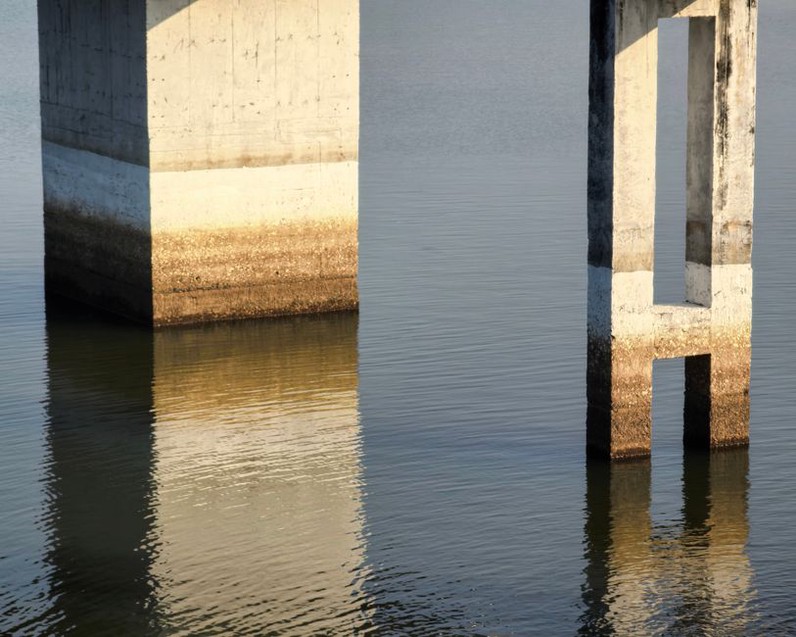
A patch over spalling is unlikely to last if water keeps entering through the same joint. Repair planning should establish how far unsound concrete extends, the condition of the reinforcement, the moisture source and whether deterioration remains active. Options include drainage correction, local concrete repair, protective treatments, reinforcement intervention or element replacement. The choice depends on remaining section, access, disruption to transport operations and compatibility with the existing material; it requires assessment of the particular structure.
Preparation and repair boundaries matter. Removing only visibly loose material may leave contaminated or delaminated concrete next to the patch. Extensive removal, however, can affect load-carrying capacity or damage sound reinforcement, calling for engineered temporary works and staging. Record the treated area, materials, exposure conditions and inspection date. Where a deck-joint leak damaged a pier cap, the follow-up inspection must check both the repaired cap and whether runoff still reaches it.