
Introduction to Bridge Safety Monitoring
Bridges are vital links in global transportation networks, connecting regions and enabling trade. As they age and traffic increases, maintaining their safety becomes crucial to prevent failures and prolong their service life. Effective monitoring is essential to identify potential issues early and address them promptly.
Bridge safety monitoring combines visual inspections, non-destructive testing, and advanced sensor technologies. These methods help detect problems early, allowing for timely maintenance. This article explores the main techniques in bridge monitoring, their uses, and how they contribute to infrastructure safety.
Traditional Visual Inspections
Visual inspections are the most straightforward way to assess bridge conditions. Inspectors look for visible signs of wear, such as cracks, corrosion, and deformation. While necessary, these inspections can be subjective and depend on the inspector's experience.
To improve accuracy, visual inspections should be frequent and include photographic documentation. This creates a historical record of the bridge's condition and helps track changes over time. However, visual inspections alone may not reveal subsurface defects or hidden changes.
Non-Destructive Testing (NDT) Methods
NDT methods are essential for evaluating bridge conditions without causing damage. Techniques like ultrasonic testing, ground-penetrating radar, and magnetic flux leakage provide detailed insights into a bridge's structural integrity. These methods help detect internal defects and material degradation.
Ultrasonic testing uses high-frequency sound waves to find cracks and voids, while ground-penetrating radar identifies issues in concrete decks and subsurface layers. By employing NDT methods, engineers can make informed decisions about repairs and maintenance, ensuring long-term safety.
Advanced Sensor Technologies
Recent advances in sensor technologies have transformed bridge monitoring. Sensors measure parameters such as strain, temperature, displacement, and vibration, offering real-time data on structural health. These sensors are often part of Structural Health Monitoring (SHM) systems.
SHM systems integrate various sensor types, including fiber optic sensors, accelerometers, and strain gauges, to continuously collect and analyze data. This alerts engineers to potential issues before they become critical. For instance, fiber optic sensors can detect minute changes in strain, helping identify stress concentrations that could lead to failure.
Wireless Sensor Networks
Wireless sensor networks are a significant advancement in bridge monitoring. These networks consist of numerous sensors communicating wirelessly, reducing the need for extensive cabling. The collected data is sent to a central system for analysis, providing a cost-effective way to monitor bridge health.
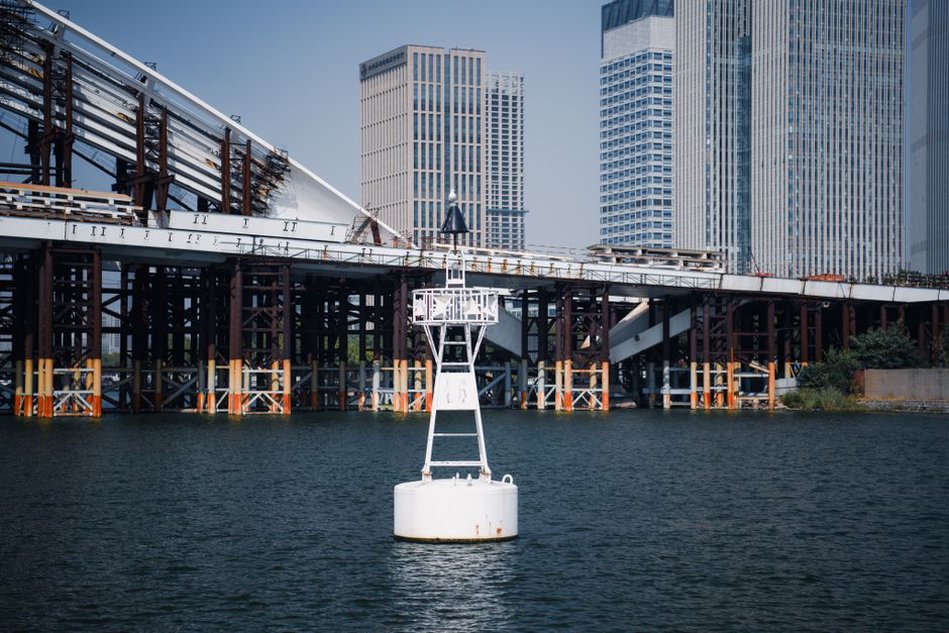
These networks are especially useful for remote or hard-to-reach bridges, where traditional methods are challenging. By providing real-time data, wireless sensor networks improve the ability to predict and prevent failures, enhancing infrastructure resilience.
Data Analysis and Predictive Maintenance
Effective bridge monitoring goes beyond data collection. Advanced data analysis, including machine learning and artificial intelligence, is crucial for interpreting data from various systems. These technologies can identify patterns and trends, allowing engineers to predict future deterioration and plan maintenance effectively.
Predictive maintenance, informed by data analysis, allows for efficient resource allocation and minimizes traffic disruptions. By addressing potential issues early, predictive maintenance improves the safety and reliability of bridge infrastructure.
Challenges and Future Directions
Despite advances in bridge monitoring, challenges remain. Implementing advanced systems can be costly, and integrating new technologies with existing infrastructure requires careful planning. Additionally, managing the vast amount of data generated demands strong data management and analysis capabilities.
Looking ahead, developing more affordable sensors and better data analysis tools will enhance bridge monitoring. Collaboration among engineers, researchers, and technology developers is essential to drive innovation and ensure the safety and sustainability of bridge infrastructure.
For a deeper understanding of infrastructure diagnostics, you may find the article on Advanced Techniques for Diagnosing Transport Infrastructure insightful, as it explores various diagnostic strategies for maintaining infrastructure health.
Conclusion
Bridge safety monitoring techniques are rapidly evolving, driven by technological advancements and the growing need for resilient infrastructure. Each method, from visual inspections to sensor networks, offers distinct benefits and challenges. By combining these techniques, engineers can maintain the safety and functionality of bridges, safeguarding public safety and supporting economic growth.