
Understanding Permafrost and Its Impact on Rail Infrastructure
Permafrost, the frozen ground found in polar and high-altitude regions, poses significant hurdles for rail construction. As it thaws, the ground becomes unstable, threatening the structural integrity of rail tracks. Engineers must carefully design railways to address these challenges, ensuring stability and safety over time.
Challenges Associated with Permafrost
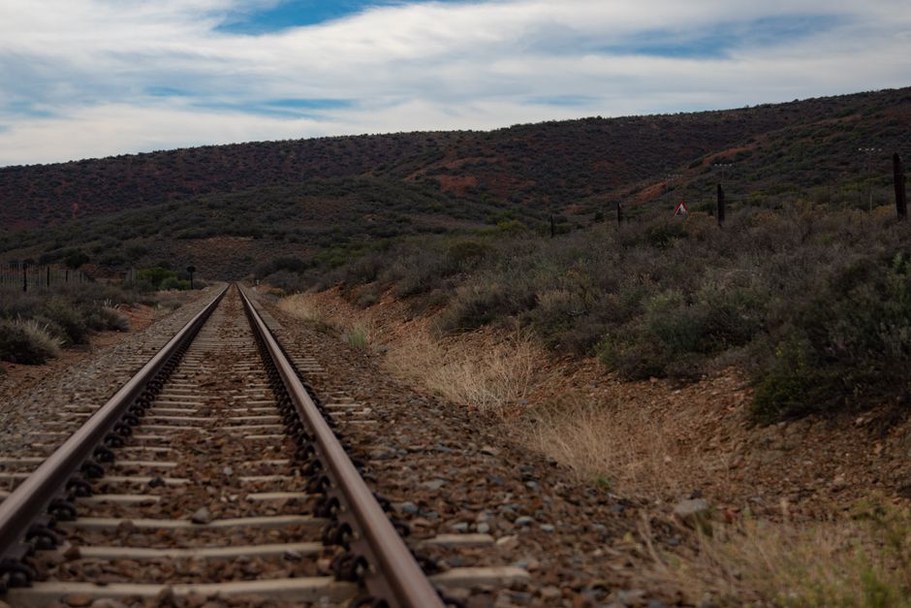
When permafrost thaws, it can cause differential settlement, where sections of the ground sink at varying rates. This creates uneven surfaces, which are particularly problematic for rail tracks that need a level foundation to maintain proper alignment and prevent derailments. Moreover, the melting ice within permafrost increases moisture, further destabilizing the ground.
Engineering Solutions for Permafrost Management
Addressing permafrost challenges requires inventive engineering approaches, such as:
- Thermal Insulation: Materials like polystyrene can insulate the ground, minimizing heat transfer and helping keep the permafrost frozen.
- Ventilated Embankments: Designing embankments with air circulation systems can mitigate heat impact and maintain ground stability.
- Enhanced Drainage Systems: Effective water management can prevent moisture accumulation and reduce soil erosion.
These techniques are vital for maintaining the durability and reliability of rail infrastructure in regions affected by permafrost.
Advancements in Monitoring and Diagnostic Tools
Modern technology is crucial in managing the effects of permafrost. Advanced diagnostic tools allow engineers to monitor ground conditions in real-time, facilitating proactive maintenance and adjustments. Innovations in geotechnical engineering are improving predictions of ground movements and risk assessments, helping ensure transport infrastructure remains resilient.
Case Studies: Successful Implementations
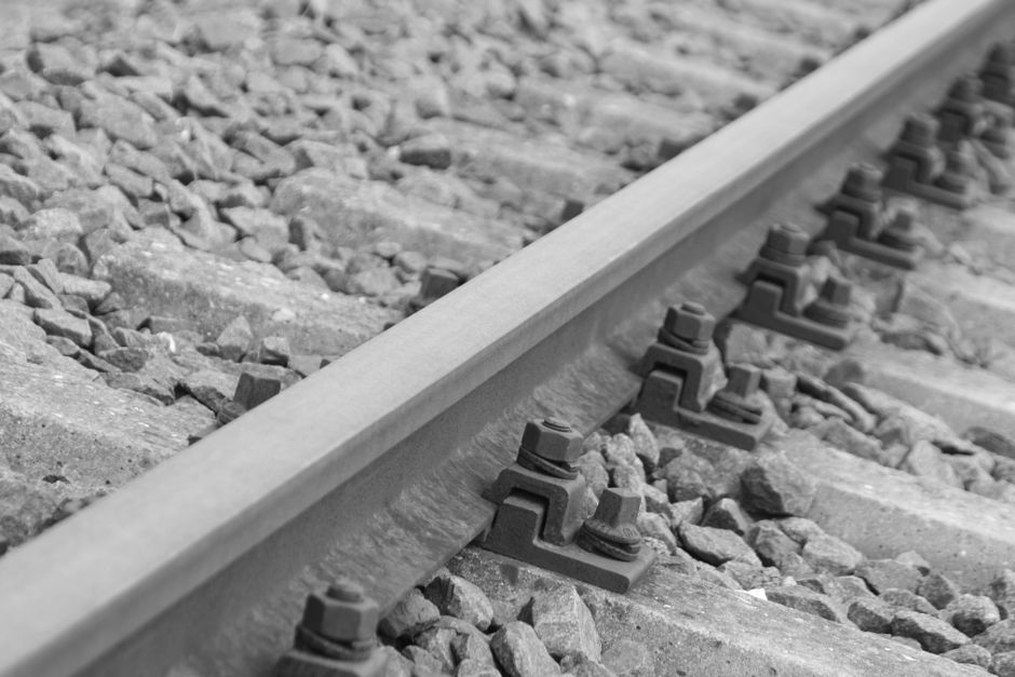
Several rail projects have effectively tackled permafrost challenges. The Qinghai-Tibet Railway in China uses advanced insulation and drainage systems to keep tracks stable across permafrost terrain. Similarly, the Alaska Railroad has implemented ventilated embankments to manage thawing issues, demonstrating the success of these engineering strategies.
Future Directions in Permafrost Rail Engineering
Research and development continue to push the boundaries of permafrost management techniques. Future projects may incorporate sustainable practices that balance environmental impact with infrastructure needs. Insights from building resilient transport infrastructure against natural hazards can guide the development of adaptive strategies for permafrost regions.
Integrating new materials and technologies will be crucial in overcoming permafrost challenges, ensuring safe and efficient rail transport in affected areas. As climate change alters permafrost dynamics, ongoing innovation will be essential to maintaining the integrity of these vital transportation networks.