A north-facing window and a desk four metres from a south-facing window may both look bright enough for reading. For a plant, they can be very different. Judge the spot where the pot will sit, not the room as a whole. Window direction, distance from the glass, outdoor shade and the season all affect the light that reaches its leaves.
Identify the light at the plant’s position
Bright direct light means sunbeams reach the leaves for part of the day. An unobstructed south-facing window often provides this in the Northern Hemisphere; in the Southern Hemisphere, it is usually a north-facing window. East windows commonly get gentler morning sun, while west windows may get stronger afternoon sun. An awning, tree or nearby building can alter any of these patterns.
Bright indirect light reaches a well-lit spot without direct sun regularly striking the foliage. That might be near a shaded window or farther back from an unobstructed one. Medium light is often found deeper in the room, though still within reach of daylight from a window. Low light describes a dimmer spot that receives some daylight but little direct sun. A windowless room is not a low-light location for a plant; it needs an appropriate grow light.
Watch the intended spot at different times of day. Do sun patches reach it? How long do they stay? Would the leaves press against hot glass? Check again as the seasons change: a window that suits a plant in summer may admit much more direct sun when the sun sits lower in winter. Room lighting that feels comfortable to you may still be too weak for plant growth.
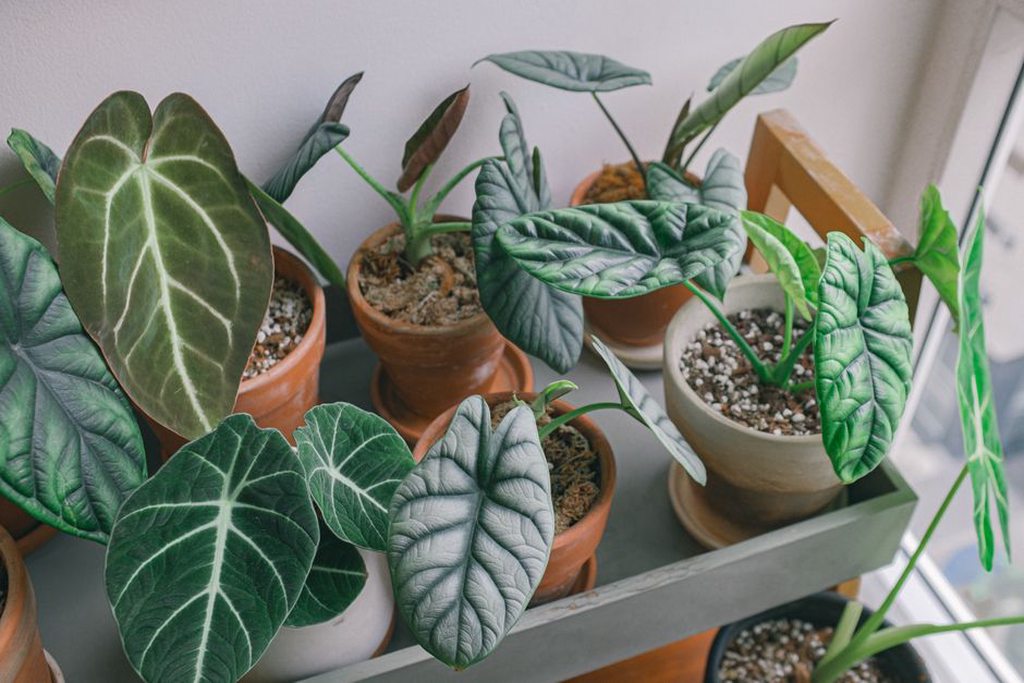
Match plants to the available light
Low light: choose plants that tolerate slow growth
ZZ plant, snake plant and cast-iron plant are useful candidates for dimmer spots. Pothos and heartleaf philodendron can tolerate lower light too, though their growth may become sparse and variegated leaves may lose contrast. Low-light tolerant does not mean light-independent. If the spot is too dark for sustained growth, move the plant nearer a window or add a grow light.
Pay close attention to watering here. As growth slows, plants use water more slowly, and potting mix can stay wet longer than it would in a bright window. Check the mix instead of watering on a fixed weekly schedule, and use a pot with a drainage hole so excess water can escape.
Medium light: accommodate a wider range
Spider plants, many peace lilies, Chinese evergreens and common pothos varieties often do well in moderate daylight. A peace lily may survive in less light but flower less reliably. A spider plant moved abruptly into intense sun may become pale or scorched. Because medium light covers quite different conditions, watch the new growth: unusually small, widely spaced or weak leaves may signal that the plant needs a brighter spot.
Bright indirect light: support active growth without harsh sun
Monstera, many philodendrons, rubber plants and numerous foliage begonias generally benefit from strong, filtered daylight. Some tolerate a little direct morning sun, but intense afternoon exposure can scorch leaves, especially after a move from a dim shop or room. A sheer curtain can soften a sunny window. Moving the pot back can also cut exposure considerably, even over a short distance.
Direct sun: select plants that can use it
Many cacti and succulents, including jade plants and echeverias, suit several hours of direct sun better than a dim shelf. Needs vary by species, though, and a sunny sill can still be stressful if heat builds against the glass or the plant was raised in softer light. Increase its exposure gradually and watch for pale, bleached or brown patches. Some herbs also need abundant light, but an indoor spot that looks sunny may not support vigorous growth through a dark winter.
Use a shortlist before buying
- Check the species or cultivar. A label such as “philodendron” can cover plants with different growth habits and light preferences.
- Allow for mature size. A small monstera may fit on a bright sill now but need floor space near the window later.
- Consider household safety. Some popular houseplants are toxic or irritating if chewed. Check plant-specific guidance if children or pets can reach them.
- Inspect the pot and roots. Drainage and suitable potting mix help prevent soil from staying wet, particularly in lower light.
- Choose for everyday conditions. A spot is not reliably bright if it gets good light only when the blinds are occasionally open.
Plant labels are a starting point, not a measurement of your room. “Indirect light” on a tag does not account for a deep window recess, tinted glazing or a balcony overhead. A phone light-meter app may help compare spots within one home, but it is no substitute for a plant-specific light measurement. Watch how the plant responds over time rather than treating a single reading as a guarantee.
Recognize when the match is wrong
Too little light often shows up as slow growth, long gaps between leaves, stems leaning toward the window or fading variegation. Older leaves can yellow for other reasons, including overwatering, so check the soil and roots before blaming the light. No new growth for a few weeks in winter may simply reflect shorter days; steady decline is more concerning.
Too much direct sun may leave dry brown patches or bleached areas on leaves facing the window. Those areas will not turn green again, but healthy new growth can show that a change of position helped. Sudden leaf drop after a move is harder to pin on light alone: temperature, drafts and watering may have changed too. Where possible, adjust one condition at a time and give the plant time to respond.
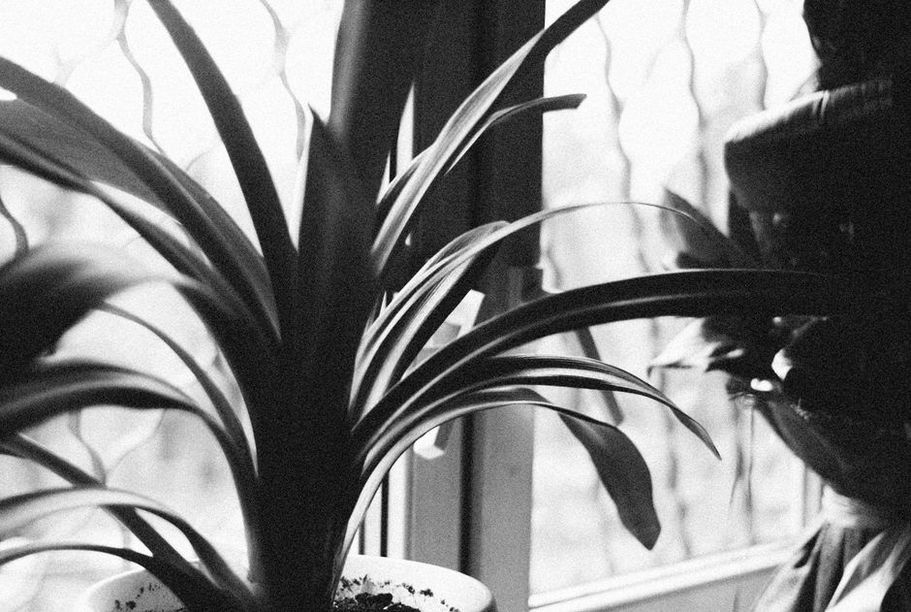
Adjust the location without overcorrecting
Increase sun exposure in small stages. A shade-grown succulent can be damaged by an immediate move onto a hot sill, even if its species prefers bright light. Put a sun-loving plant on a distant shelf, meanwhile, and it may survive but produce weak, elongated growth. Rotate a pot occasionally for more even growth, as long as the foliage tolerates the light on each side.
If daylight is inadequate, a grow light is more dependable than ordinary room lighting. Follow the fixture’s guidance on distance and operating time, then watch for signs of insufficient light or heat stress. For a ZZ plant on a dim office shelf, check the potting mix before watering. If new stems repeatedly stretch toward the window, move it closer to daylight rather than adding more water or fertilizer.