
A window-side chair can look like the perfect place to read, yet prove awkward in use. It may face a television, block a doorway or leave the page in shadow after sunset. Think about when you usually read before choosing a spot; the best one stays reasonably quiet and comfortable at those hours.
Find the quietest usable spot
Walk through the room while its usual activity is underway. Listen for conversation, vents, appliances and noise from street-facing windows, and notice where people pass. A corner away from the main route may work better than a more attractive spot beside a busy door. In a bedroom, that could mean a chair near the foot of the bed; in a living room, it might be the wall opposite the television.
Keep doors, drawers and walkways usable. No one should have to edge around the chair, and a floor lamp should be out of the path where it could be knocked over. A shared room needs little dedicated space: one comfortable seat, a light and somewhere to put a book.

Check the spot before moving furniture
- Sit there for ten minutes at your usual reading time. Listen for occasional interruptions as well as steady background noise.
- Hold a book at a comfortable distance. Does daylight reach the page without shining into your eyes?
- Check for nearby outlets if you plan to use a lamp or charge an e-reader.
- Make sure the chair will not block an exit, heater, vent or frequently opened cabinet.
Make the seat comfortable for actual reading
You should be able to see the page without constantly changing position. Look for back support and room to rest your arms. If your feet do not reach the floor comfortably, try a stable footrest. One cushion may soften a firm seat; a pile of loose cushions can push your neck forward while leaving your lower back unsupported.
Try the seat with the book or device you use most. A large hardback needs different arm support from a lightweight paperback. If holding it strains your shoulders, put a small pillow under your forearms or set a side table close enough that you need not lean over to put the book down. Keep hot drinks off chair arms and unstable stacks of books.
Pay attention to temperature as well. A sunny window may be pleasant in the morning and too hot later, while an exterior wall may feel cold in winter. A washable throw is simpler to adjust than the furniture.
Put light on the page, not in your eyes
Daylight helps when you can control glare. Set the chair so light reaches the page from the side, rather than placing the window directly behind the book or in your line of sight. A blind or curtain can soften the sun as it moves. For evening reading, use a lamp aimed at the page: a central ceiling light may brighten the floor while leaving the book dim.
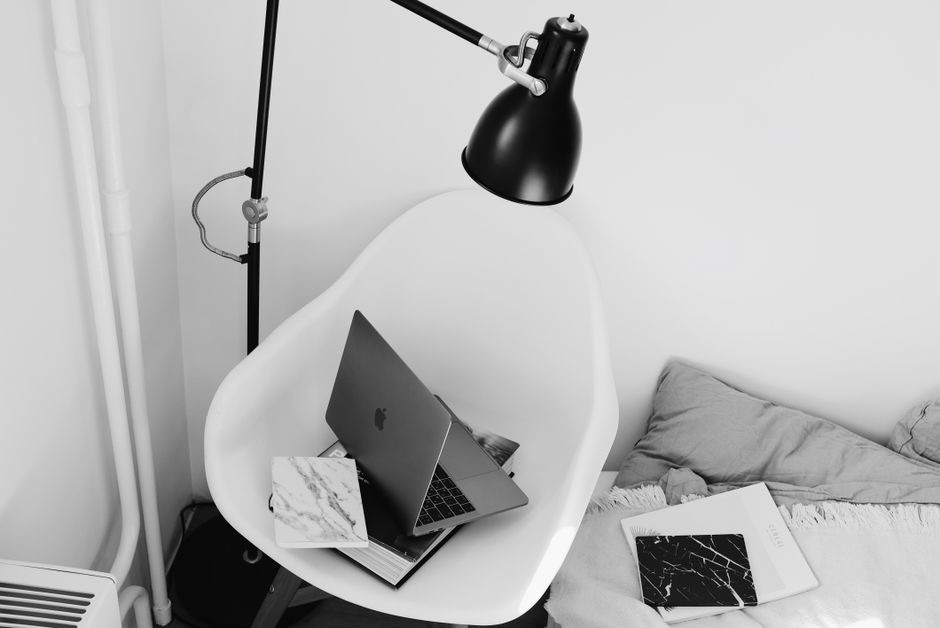
Adjust the lamp until the page is evenly lit and your hand casts little shadow over the text. A shade or adjustable head can keep the bulb out of your eyes. Check glossy pages and e-reader screens for reflections before settling on a position. Keep cords against the wall and away from walkways; under a rug, wear can go unnoticed.
Reduce distractions without expecting silence
Complete silence is unlikely in a shared home. Try changes that leave the room usable for everyone else: close a door when appropriate, move the chair away from speakers, or add curtains or other soft furnishings to make echoes less harsh. Soft furnishings will not reliably block voices or traffic coming through a wall or window.
If sound is unavoidable, see whether quiet background audio or comfortable headphones help you concentrate. Keep the volume low enough to hear important household activity, including someone calling for help. When interruptions are social rather than acoustic, agreeing on a regular reading period may do more than new equipment.
Give your eyes fewer reasons to wander, too. Where possible, turn the chair away from a work desk, television or pile of unfinished tasks. In a studio apartment, the back of a sofa or an existing bookshelf can mark out a reading area without a bulky screen. Avoid using tall, unsecured furniture as a divider, especially where children or pets might pull it over.
Keep the essentials within reach
A narrow side table or sturdy shelf can hold your current book, glasses and water. Give the book a regular place so the seat is ready when you are. Move extra books elsewhere if the stack crowds the chair or narrows the walkway. A small basket can hold a bookmark and throw, provided you can still clean around the furniture.
No spare floor space? Use what is already there. A clip-on reading light may suit a headboard, a stable bedside surface can hold a book, or you can turn a dining chair toward a quieter wall for a planned reading period. Check that any clip-on fixture is secure and used as its manufacturer intends. The setup need not stay in place all day.
After a few evenings, notice what you keep adjusting. If you move the lamp every time to avoid a shadow, find it a better permanent position. If your glasses always end up across the room, clear a hand-sized space for them beside the seat.