
Innovative Techniques in Tunnel Construction
Building tunnels presents a unique set of engineering challenges, especially when dealing with unpredictable geological conditions and structural requirements. The advent of new technologies has greatly improved the accuracy and speed of tunneling. A key innovation is the Tunnel Boring Machine (TBM), which not only automates excavation but also installs tunnel linings at the same time. These machines are versatile, capable of working through hard rock and soft soil alike, making them essential in today's tunneling projects.
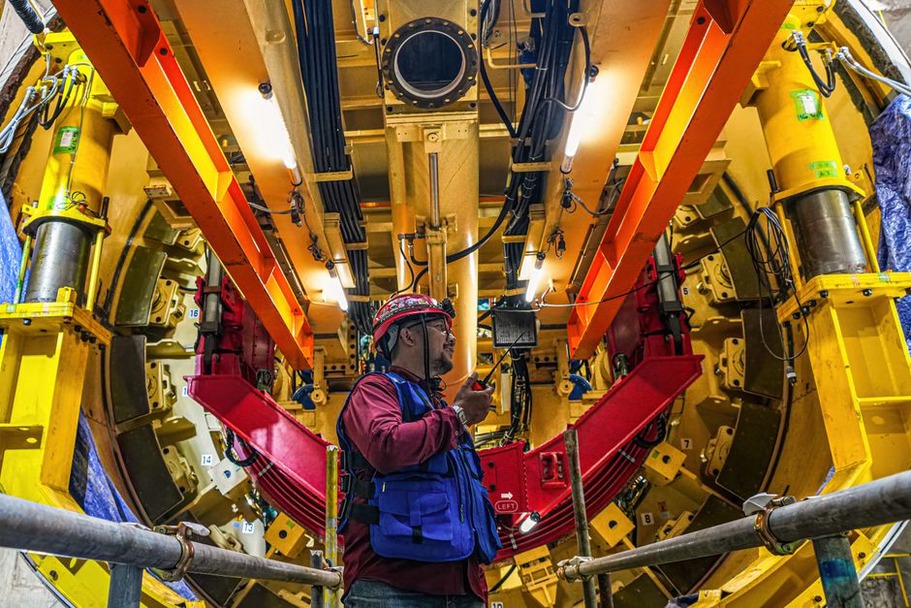
Automation and Robotics: Transforming Tunnel Construction
Automation and robotics are reshaping tunnel construction by minimizing human error and enhancing safety. Robots are now used for tasks like surveying, alignment, and maintenance, which increases precision and reduces risks to workers. These robotic systems can function in difficult environments, providing real-time data that improves decision-making. As technology progresses, AI-driven solutions are anticipated to further refine construction operations.
Smart Monitoring Systems
Smart monitoring systems are vital in managing and reducing geotechnical risks during tunnel construction. Equipped with sensors, these systems offer continuous updates on ground movements, water ingress, and structural integrity. This information allows engineers to adjust construction techniques as conditions change, maintaining the tunnel's stability and safety. For more on geotechnical risks, see the article on Understanding Geotechnical Risks in Construction.
Sustainable Materials and Techniques
The movement towards sustainability has spurred the development of environmentally friendly construction materials and methods. Using recycled and low-carbon materials in tunnel linings not only lessens environmental impact but also boosts durability. Techniques like soil freezing and jet grouting are used to stabilize the ground, promoting safer and more sustainable tunnel construction.
Advanced Computational Modeling
Advanced computational modeling is now a fundamental aspect of tunnel design and construction. These models simulate various scenarios, such as seismic impacts and groundwater flow, enabling engineers to optimize designs and foresee challenges. This approach is especially important in areas susceptible to natural hazards, ensuring tunnels can withstand extreme conditions. Insights into seismic vulnerability can be explored in the article Enhancing Bridge Safety Against Earthquakes.
Real-world Applications and Case Studies
Innovative tunnel construction technologies have been successfully applied in numerous projects around the globe. The Gotthard Base Tunnel in Switzerland, for instance, exemplifies the capabilities of modern engineering. This project employed TBMs, advanced monitoring systems, and sustainable practices to build the world's longest railway tunnel. Such projects demonstrate the importance of integrating advanced technology to overcome logistical and geological challenges.
Challenges and Future Directions
Despite technological advances, tunnel construction still encounters challenges like cost overruns and unexpected geological conditions. Ongoing research and development are crucial to address these issues and enhance overall efficiency. The future of tunnel construction is likely to involve further integration of AI and machine learning, offering predictive capabilities and adaptive solutions to emerging challenges.