
Ten minutes with a technical book may be enough to work through one diagram. It is less useful if you spend seven of those minutes finding your place. Leave a bookmark at the next section, keep a pencil nearby, and decide what you will read before you sit down. A little preparation gives a short session a purpose.
Engineers and researchers may already spend much of the working day reading. A personal reading habit need not add another long document to the queue. Separate required reading from material you want to keep up with: perhaps a bridge inspection case study, a chapter on soil behaviour, or a book outside your specialty. The point is to make room for reading without creating a second workload.
Choose a reading unit, not a daily page target
Page counts say little about effort. Five pages of equations can demand more attention than twenty pages of narrative. Choose a unit that fits the material: one subsection, one figure and its explanation, or a few pages ending at a natural break. A chapter may work for lighter reading. Stop at the end of the unit, even if the session was short, so you know where to begin next time.
Set a minimum you can manage on a busy day. Five focused minutes or a single page is a starting point, not a ceiling. You can keep going when you have time; when you do not, the planned session still counts. An ambitious target that you routinely miss is less useful.
Find time that actually recurs
Attach reading to something that already happens in your day. Look for a few available minutes when you also have enough attention for the text. A lunch break might suit an accessible book; a demanding paper may call for a quiet period before other tasks begin. If dense material is hard to follow when you are exhausted, change the time rather than blaming your discipline.
- Before opening work messages: read one defined section if your mornings are predictable.
- During a break: have a short article or book chapter ready instead of spending the break looking for one.
- After closing a task: use a few minutes of transition time for material that does not require extensive notes.
Keep competing tasks out of the slot. Put your phone aside or silence nonessential notifications, and have only the text and necessary notes within reach. If interruptions are frequent, shorten the session or move it to another time.
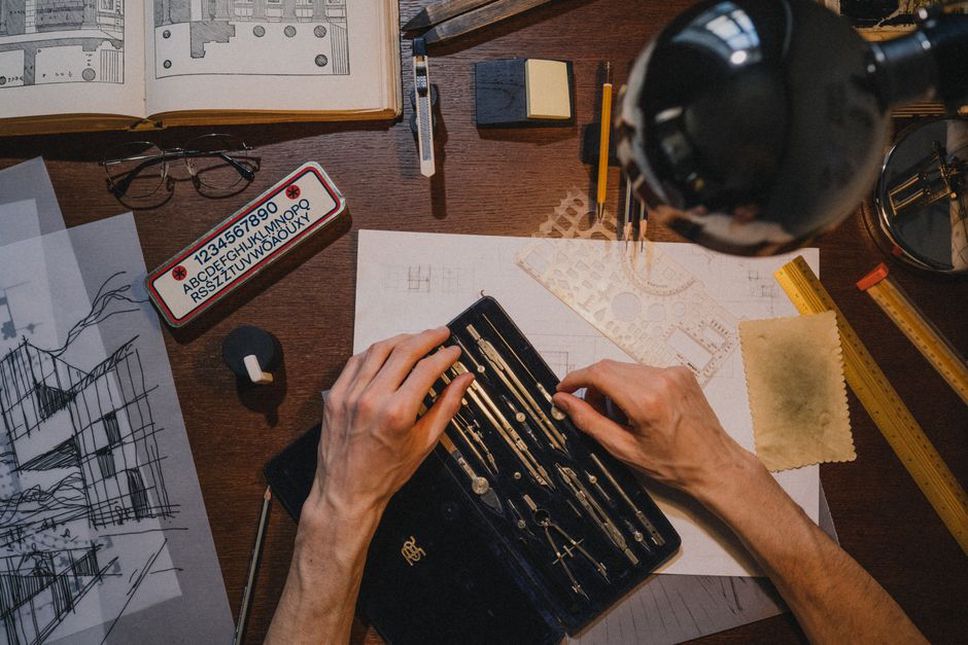
Keep two kinds of reading available
Having little time and having little attention are different problems. Some days you can work carefully through a methods section; on others, a few paragraphs are enough. Keep one demanding text for alert periods and one accessible text for lower-energy moments. Pick an easier option you actually want to read, rather than filler for the sake of a streak.
Choose material you can use at your current level. If a specialized paper assumes geotechnical concepts you do not yet know, start with a textbook chapter or review. If a report addresses a problem you are working on, read its purpose and scope before the details. For infrastructure studies, check the site conditions, materials and time period examined. Findings from one setting may not carry over to another.
Match the format to the task
Print makes it easy to mark a figure or return to an equation. A digital document is often easier to carry and search. Audio can fit activities that do not require visual attention, but it cannot replace a close look at drawings, tables or citations. Choose the format according to the information you need.
Make it easy to return to a text
At the end of a session, leave a one-line cue beside your bookmark or in the document. “Next: compare the two drainage assumptions” tells you more than “page 43.” If something was unclear, name the term or claim you need to check. That small note can spare you from retracing the whole section next time.
Match your notes to your purpose. For general reading, one sentence about the main idea may be enough. For professional material, record the source, the claim you might need again and any important limitation. A highlighted sentence is not an engineering recommendation; check the study conditions and original context before relying on it.
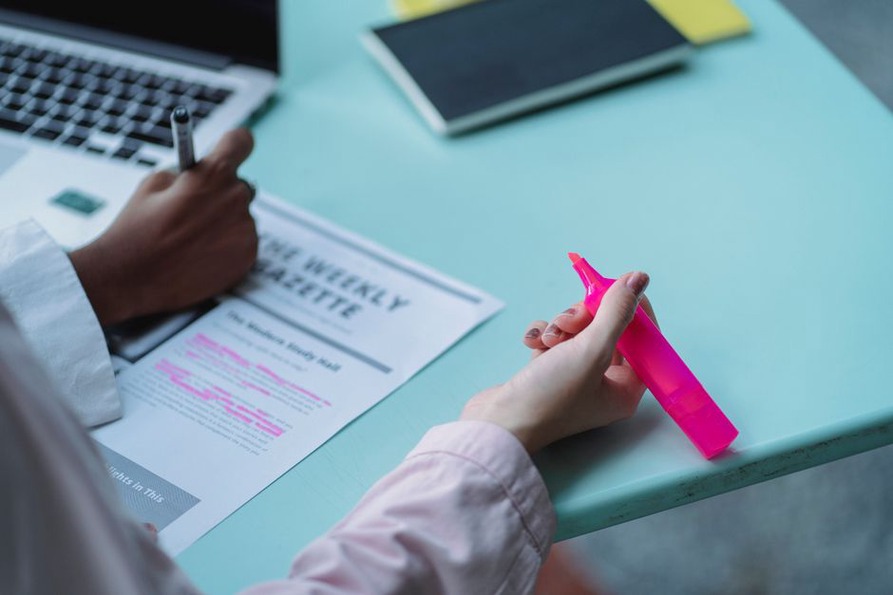
Track consistency without turning it into a competition
A simple record can show whether the routine fits: mark the days you read, or note the title and last section completed. Pages finished are not the only measure. Working through one difficult figure and questioning its assumptions may be more useful than moving quickly through a report. If you keep missing a slot, look at what gets in the way. Is the material too demanding at that hour? Is the book elsewhere when you have time? Change one obstacle before overhauling the routine.
Deadlines, fieldwork and other busy periods will interrupt reading. You do not need a marathon session to make up for a break. Return to the smallest unit when you next have time. A clear return cue lets you pick up where you left off instead of starting over.
Know when reading needs more than a short session
Short sessions help maintain continuity, but they cannot replace uninterrupted analysis when a decision depends on the full argument. Reviewing a bridge assessment method, for example, may require time to follow its assumptions, calculations and limitations together. Set aside a longer block for that work. Use brief sessions to learn terminology, read background or identify questions you need to resolve—not as a substitute for a technical review.
Before your next session, choose one text and mark exactly where to start. “Read the paragraph explaining Figure 2 and its caption” gives five available minutes a clear use.