
Infrastructure projects rely heavily on precise data to ensure they are safe, durable, and reliable. Geotechnical tools have become indispensable in this process, offering detailed insights into the conditions beneath the surface. These tools enable engineers to make well-informed decisions, improving the quality and sustainability of transportation infrastructure.
Modern Geotechnical Tools and Their Applications
Technological advancements have significantly enhanced geotechnical engineering. Let's take a closer look at some tools that are transforming how we analyze infrastructure:
1. Ground Penetrating Radar (GPR)
Ground Penetrating Radar is a non-invasive technique that uses electromagnetic waves to explore subsurface anomalies. It's particularly effective in detecting voids, fractures, and material changes, making it essential for assessing road and railway foundations. By delivering real-time data, GPR helps mitigate risks from unexpected subsurface conditions.
2. Seismic Refraction Tomography
Seismic Refraction Tomography uses seismic waves to map underground structures. This method is crucial in earthquake-prone areas, aiding engineers in designing infrastructure that can endure seismic events. For further details on seismic design principles, check out our related article.
3. Cone Penetrometer Testing (CPT)
CPT is a widely used in-situ testing method for determining soil properties. It provides continuous soil resistance profiles, vital for evaluating soil stability and designing appropriate foundations. The accuracy of CPT data is crucial for foundation design, as discussed in our article on resilient railway foundations.
4. Geotechnical Monitoring Systems
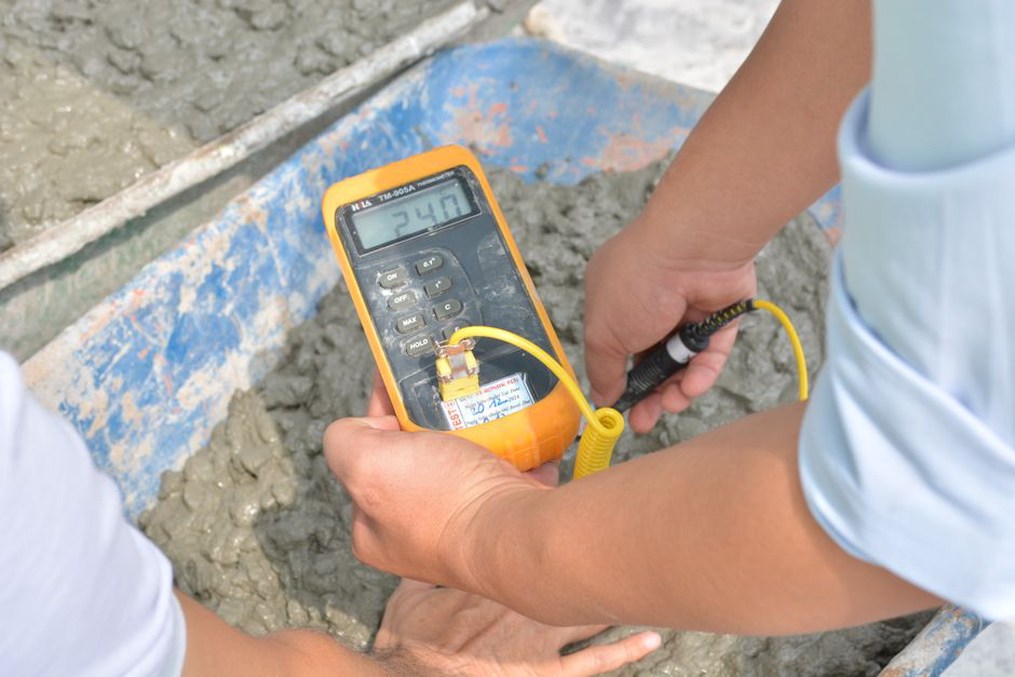
These advanced systems combine sensors and data loggers to monitor changes in soil and structural conditions over time. They are essential for long-term infrastructure maintenance and risk management, providing early warnings of potential failures.
Data Integration and Analysis
Bringing together data from various geotechnical tools offers a detailed view of subsurface conditions. Modern software helps synthesize these datasets, allowing for precise modeling and scenario simulation. This approach not only enhances accuracy but also helps in optimizing designs for cost savings and sustainability.
- 3D Geological Modeling: By combining data from tools like GPR and CPT, engineers can create detailed 3D models of subsurface conditions. These models are crucial for visualizing geological features and identifying risks.
- Predictive Analysis: Advanced computational tools enable predictive analysis, allowing engineers to anticipate future changes in ground conditions, particularly useful for projects in changing environments.
- Risk Assessment: Detailed data analysis supports effective risk assessment strategies, ensuring infrastructure can withstand natural and man-made hazards.
Challenges and Considerations
Despite the benefits of advanced geotechnical tools, challenges remain. Calibration and validation are critical to ensure data accuracy. Additionally, skilled personnel are needed to interpret complex datasets and make informed decisions.
Another consideration is the cost of deploying these tools. While initial investments can be high, the long-term benefits of improved safety, reduced maintenance costs, and extended infrastructure lifespan often justify the expense.
Future Directions
The future of geotechnical engineering will be shaped by the ongoing integration of new technologies and methods. Innovations such as machine learning and artificial intelligence are beginning to enhance data analysis, offering greater precision and predictive power.
To ensure transport infrastructure remains resilient and sustainable, continuous research and development in geotechnical tools and methods are essential. By embracing these advancements, the field will continue to evolve, safeguarding the longevity and safety of infrastructure worldwide.
For those interested in how infrastructure adapts to environmental challenges, our article on adapting transport infrastructure to climate change offers additional insights.