
A sealed bottle of water is no help if you cannot find it when the tap stops working. Keep a basic home emergency kit where household members can reach it in the dark, and stock it for the people who live there. It should cover a short period without normal utilities or supplies, not serve as a reason to stay in an unsafe building.
Power cuts, water interruptions, flooding and severe weather cause different problems. The essentials are much the same: drinking water, food that needs little preparation, light, information, medication and hygiene supplies. Start there instead of assuming a pre-packed kit will meet your household’s needs.
Size the kit for the household
Plan for the number of people at home, their health needs and the disruptions reasonably possible where you live. Supplies for at least three days are a common starting point; you may need more if local hazards could isolate your home longer. Public emergency guidance often uses about one gallon (roughly 3.8 litres) of water per person per day for drinking and basic sanitation. Heat, illness, physical activity and infant care can raise that amount. Check local emergency advice before deciding how much to store.
Count every resident, including children, and allow separately for pets. If a full water supply is hard to store or lift in one place, split it among manageable containers. Follow the label when storing purchased water. For water filled at home, use clean, food-grade containers, mark the filling date and follow local public-health guidance on treatment and replacement. Do not assume a household filter will remove every contaminant, particularly after a chemical spill.
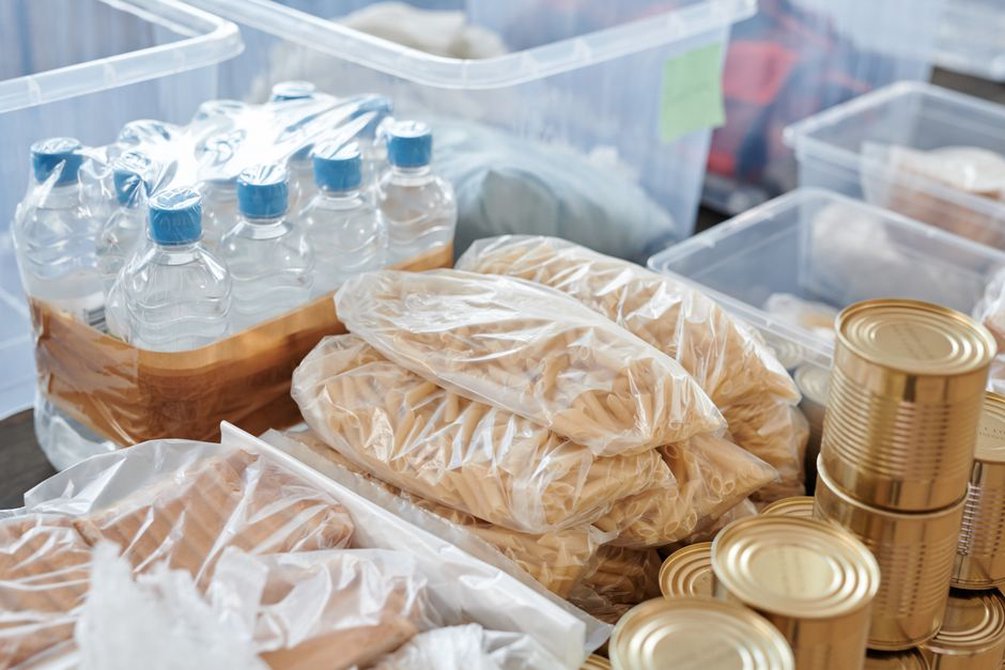
Keep the core supplies simple
Water, food and a way to open it
Choose shelf-stable food people will eat without refrigeration. Canned beans, fish or fruit, nut butter, crackers and ready-to-eat meals are options. Account for allergies, dietary restrictions and infant feeding, and favour food that needs little or no cooking: electricity or gas may be unavailable. If any cans need one, pack a manual can opener.
Do not plan to use a camping stove indoors. Fuel-burning equipment can produce carbon monoxide; a power cut does not make an enclosed space safe for it. If you have a suitable outdoor cooking option, follow its instructions and keep it outside, away from openings. The kit still needs food you can eat without cooking.
Light, communication and power
- Flashlights or headlamps: Have a practical light source for each area or person likely to need one. Store compatible spare batteries, or keep rechargeable lights charged.
- Battery-powered or hand-crank radio: Choose one that receives local emergency broadcasts. Mobile data may fail or become congested during a major event.
- Phone charging: Keep a charged power bank and the right cables for household devices. Check its charge when you inspect the kit.
- Whistle: A small whistle lets someone signal for attention without shouting for long.
Battery life depends on storage conditions and use. Keep spares in their packaging, away from loose metal objects, and check devices for leakage or corrosion. Use flashlights rather than relying on candles for light; they do not introduce an open flame.
First aid and personal health
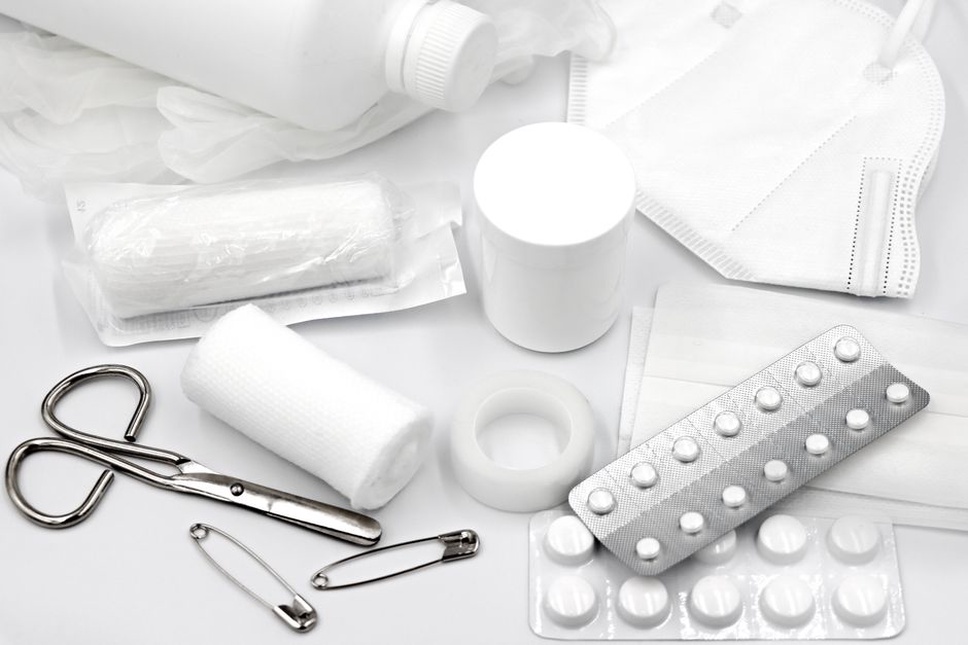
A basic first-aid pouch can hold adhesive dressings, sterile gauze, bandages, medical tape, disposable gloves, antiseptic wipes and other items you know how to use. Add a written list of relevant medical conditions, allergies and current prescriptions. First aid can help with minor injuries; serious bleeding, breathing difficulty and other emergencies need appropriate urgent care.
Prescription medicines take more planning than a generic checklist allows. Ask a pharmacist or clinician about maintaining an appropriate reserve, especially for controlled medicines, drugs that expire quickly or treatments requiring refrigeration. Include spare glasses or other essential aids if feasible. If someone relies on powered medical equipment, record its power requirements, available backup and when the household would need help or need to relocate. Do not assume a small consumer power bank can run it.
Prepare for a loss of water and sanitation
Hand hygiene and waste management get harder if water or sewer service stops. Pack soap, hand sanitizer, toilet paper, tissues, menstrual products, disposable gloves and sturdy rubbish bags. Add supplies your household uses, such as nappies, wipes, incontinence products or pet waste bags. Hand sanitizer helps when hands are not visibly dirty, but it cannot replace washing in every situation.
A small amount of household disinfectant may be useful if you can store it safely, label it clearly and follow the product directions. Never mix cleaning chemicals. After flooding, treat floodwater and wet materials as potentially contaminated: a basic hygiene pouch is not protective equipment for extensive cleanup. Follow local public-health instructions before using water that may have been compromised.
Include information you can use offline
Keep a printed contact sheet with household phone numbers, an out-of-area contact, healthcare contacts and relevant utility or building-management numbers. If appropriate, put copies of essential identification and insurance details in a waterproof sleeve. Limit the personal information in an easily carried kit. Keep originals in their usual secure place unless your evacuation plan calls for taking them.
A paper map can help if phone navigation is unavailable. A small amount of cash in manageable denominations may help during a payment outage; store it securely. Pack a pen and a few sheets of paper to record instructions, addresses or the time a medication was taken.
Write down decisions the household should not have to make during an outage: where the kit is, where a second set of keys can be found if appropriate, how to contact one another and which local alerts to follow. If authorities order an evacuation, leave as directed rather than waiting to use the supplies at home. Keep critical medicines, documents and a few essentials in a small grab-ready pouch if you cannot collect them quickly from the main kit.
Make the kit usable, not just complete
Pack for access and storage conditions
Choose a sturdy container that closes securely and that someone in the household can move. Group supplies in labelled bags for lighting and batteries, first aid, hygiene and documents. Store the kit away from excessive heat, damp and chemicals. A basement prone to flooding is a poor spot, however much spare space it has. Put heavy water containers low enough to lift safely, and make sure everyone who may need the kit knows where it is.
Everything need not fit in one box. Water may be easier to manage on a nearby shelf; medicines may need their normal storage conditions. Put a short inventory in the main container noting where those items are kept. If someone cannot reach the storage location or carry the container, change the arrangement.
Inspect it on a predictable schedule
Set a recurring check, such as twice a year and after each use. Turn on the lights and radio, confirm that charging cables fit current devices, and check the power bank’s charge. Check food, water and medical supplies against their labels; replace anything damaged, expired or no longer suitable. Rotate ordinary food into the pantry before its quality declines, then replace it in the kit.
Update the contact sheet when phone numbers, prescriptions or household members change. A new pet, infant or mobility need may call for a bigger change to the kit than another multipurpose gadget. Keep quantities and review dates on the inventory so you can inspect supplies without unpacking everything.
Know what the kit cannot solve
A home kit supports basic needs during a temporary disruption. It cannot make a structurally unsafe home safe. Leave and seek appropriate help if you suspect structural damage, smell gas, face rising floodwater or a fire hazard, or receive an official evacuation instruction. Do not enter floodwater to retrieve supplies. Local authorities and utility providers may issue situation-specific advice on water quality, shelter and restoration times that supersedes what you assumed when packing.
For a first check, set the container on the floor, switch on the flashlight and radio, and open the inventory. If the correct batteries, charging cable or manual can opener are missing, add those items before putting the kit back on its shelf.