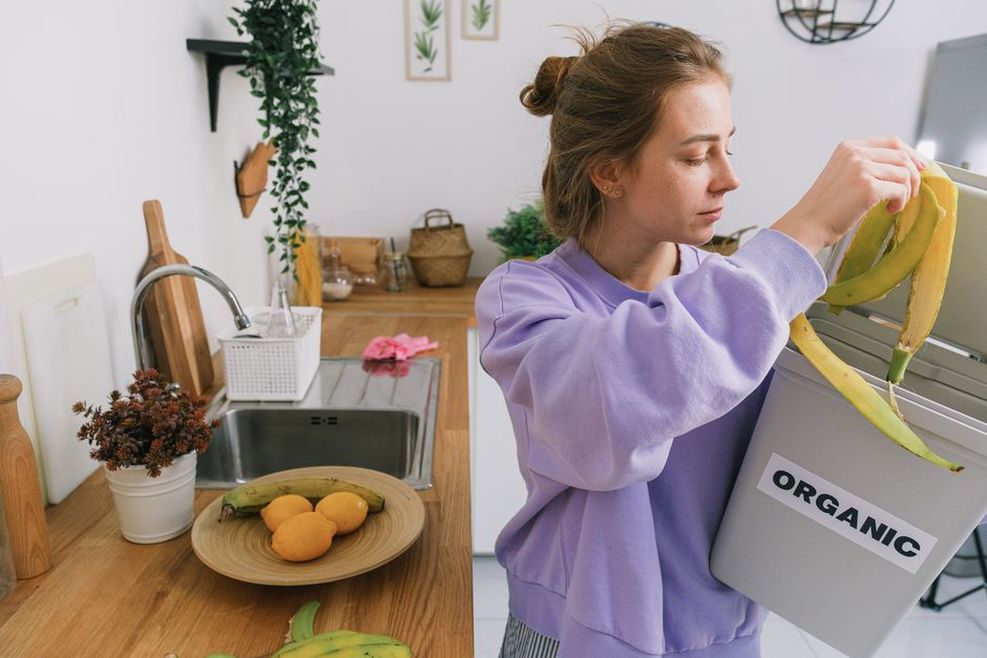
A sealed bucket of food scraps stores waste; it does not make compost. Conventional composting needs oxygen, moisture and a mix of nitrogen-rich scraps and carbon-rich dry material. Without enough air or dry material, scraps can become wet and sour rather than break down into usable compost.
The right setup depends on the space available and how much food waste you produce. A balcony may accommodate a small ventilated bin. In a kitchen with no outdoor area, a worm bin or food-scrap collection service may be more practical. Before buying equipment, check building rules, decide where the finished material will go and consider how much routine handling you can manage.
Choose a method that fits the space
Ventilated bin or small tumbler
A lidded bin with ventilation holes can work on a balcony, patio or other permitted outdoor area. It needs room to mix scraps with dry material and access for turning or stirring. Set it on a stable surface where drainage cannot stain the floor or reach a neighbor’s space. A tray can catch stray material, but do not let liquid collect beneath the bin.
A small tumbler contains loose material and makes mixing easier, though a cool, lightly filled unit may work more slowly than its label suggests. With either setup, chop bulky inputs when practical and keep dry leaves, shredded plain cardboard or torn uncoated paper on hand.
Worm bin
Worm composting, or vermicomposting, uses composting worms to process suitable kitchen scraps in moist bedding. A compact bin can be kept indoors where temperatures remain moderate, provided it has airflow and drainage is managed. Protect it from direct sun and freezing conditions. Start with small amounts of food, then wait until much of it has been processed before feeding again. Bury scraps under bedding to discourage fruit flies.
Collection or fermentation
If a home composting system is impractical, a local food-scrap collection program may be the simplest option. Check what it accepts; its rules may differ from those for a home bin. Bokashi-style fermentation also fits a small space, but the sealed container produces fermented scraps, not finished compost. The scraps still need an approved next step, such as incorporation into an appropriate outdoor composting system.
Build a workable mix
In a conventional aerobic bin, “greens” provide readily available nitrogen and moisture. “Browns” add carbon and help leave spaces for air. Greens include fruit and vegetable scraps, used coffee grounds and small amounts of fresh plant trimmings; browns include dry leaves and shredded, uncoated cardboard. The terms describe how materials behave, not their color: coffee grounds count as a green.
You do not need to weigh each addition. Mix food scraps with enough loose browns to keep the contents from forming a wet mat, then cover the new scraps with another layer. Store dry material near the bin so it is ready when you need it. Smaller pieces expose more surface area, but chopping alone will not fix poor airflow.
A squeezed handful from the active mix should feel damp without dripping. If it is soggy, add browns and mix gently to open up air spaces. If it stays dry and shows little change, add a little water or mix in moist scraps. Avoid soaking the bin: excess liquid can carry odors and create a cleanup problem indoors or on a balcony.
Know what to leave out
For a beginner’s small home bin, a conservative input list helps prevent avoidable problems:
- Usually suitable: vegetable peels, fruit scraps, coffee grounds, modest amounts of plain paper and cardboard, and untreated dry leaves.
- Better kept out: meat, fish, bones, dairy, oily leftovers and large quantities of cooked food. These may attract pests or cause persistent odors.
- Handle cautiously: citrus and onions in worm bins. Add only small amounts and watch how the worms respond.
- Do not assume compostability: glossy packaging, plastic-lined paper and products labeled “compostable” may not break down in a small home system.
Pet waste, diseased plants and plants treated with persistent herbicides are poor choices for beginner systems. If a collection service accepts materials your home bin cannot handle, follow that service’s instructions.
Manage the bin without overworking it
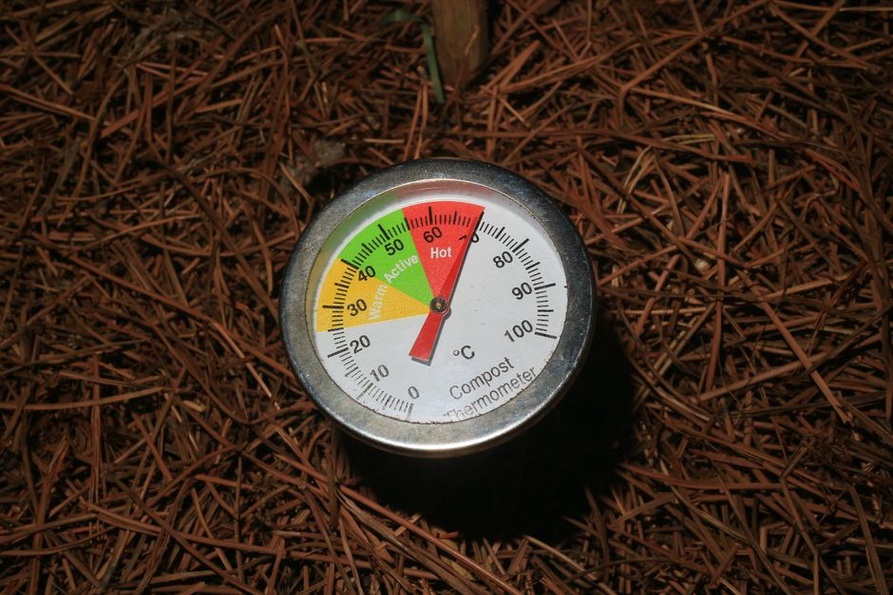
Check an outdoor aerobic bin when adding scraps, and mix periodically to loosen compacted areas. Rotate a tumbler or stir a stationary bin with a hand tool. How often it needs mixing depends on its moisture, fill level and rate of breakdown. A small batch may never heat up noticeably; that does not mean it has failed. Composting at cooler temperatures simply takes longer.
A worm bin needs a gentler routine. Keep bedding loose and moist, bury food, and leave some bedding undisturbed. Vigorous turning disrupts the worms’ habitat. If food remains untouched, feed less rather than adding scraps on a fixed schedule.
Read problems as signals
Sour or rotten odor often indicates excess moisture, too much food or poor airflow. Remove any obvious problem food, add dry browns and gently loosen an aerobic mix. In a worm bin, pause feeding and check for waterlogged bedding.
Fruit flies often breed in exposed scraps. Bury new food beneath bedding or browns, and keep the lid fitted without blocking ventilation. Do not leave scraps uncovered on the counter before adding them.
Slow breakdown may come down to dry contents, large pieces, cold conditions or too few active organisms. Check moisture before adding more food. If the bin smells earthy and its contents are gradually changing, it may just need time.
Use the finished material carefully
Compost is ready for many garden uses when it is dark and crumbly, smells earthy and contains few recognizable scraps. Sift out larger pieces and return them to the active bin. Harvest worm castings while keeping worms and unfinished food for the next batch. Temperature, ingredients and bin care all affect processing time, so judge the material by its condition rather than the calendar.
Home compost is not automatically pathogen-free. Small systems often do not sustain temperatures high enough to reliably sanitize contaminated inputs. Use clean inputs, wash your hands after handling the bin and wash produce grown with compost. For a first batch, mix a modest amount of mature compost into potting media for ornamental container plants. Keep unfinished material out of seed trays, where continued decomposition may interfere with young roots.