How to assess seismic risk in transport tunnels: ground conditions, deformation mechanisms, modelling, monitoring, and post-earthquake recovery planning.
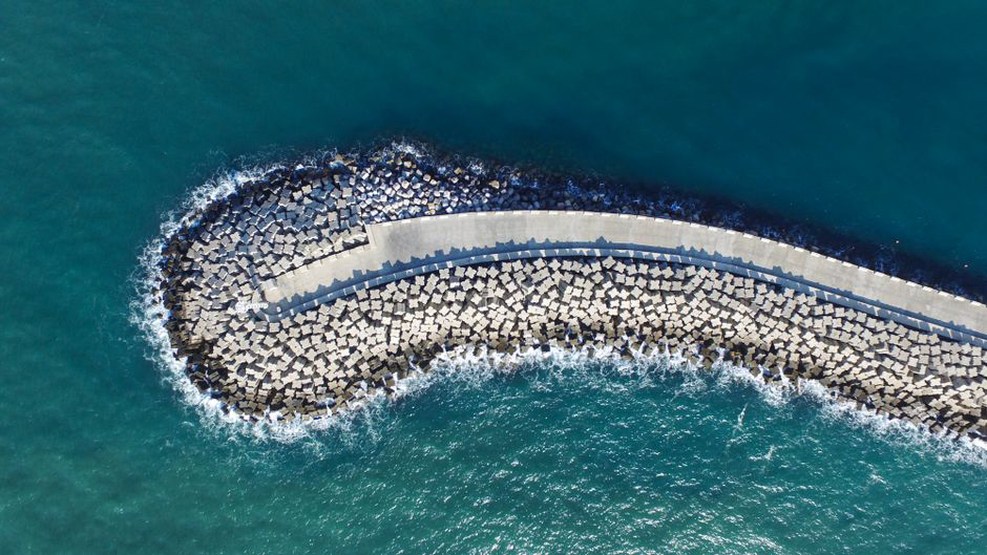
Learn how coastal erosion threatens road embankments, drainage, and pavement support, and how engineers assess protection, monitoring, maintenance, and failure risks.
How satellites, LiDAR, drones, mobile mapping and thermal imaging support transport infrastructure monitoring, with guidance on uncertainty, validation and asset decisions.
How improved ground models, deep foundations, ground treatment, scour monitoring, and verification methods support reliable bridge foundation performance.
Learn how repeated heavy axle loads contribute to rutting, cracking, and structural pavement failure, and how engineers assess traffic, drainage, and ground conditions.
How seismic design codes apply to bridges, tunnels, railways, embankments, and retaining structures, with focus on site response, displacement, ground failure, detailing, and post-earthquake operation.
How groundwater conditions affect road, rail, bridge, culvert, and tunnel performance, and how hydrogeological investigation supports risk control during design and construction.
A technical guide to urban tunnel excavation risk management, covering ground movement, groundwater, utilities, monitoring, logistics, and field decision-making.
Learn how drainage, subgrade conditions, construction quality, traffic loading, climate exposure, and evidence-based maintenance affect pavement service life.
Learn how fatigue develops in bridges, rail systems and pavements, how cyclic loading is assessed, and how inspection and repair decisions should be made.