A bike that feels quick on an empty test ride may be awkward with two grocery bags, a lock and a wet road to deal with. Start with the trips you actually make: how far you ride, what you bring home, where you park and whether the bike has to go up stairs. Those details will narrow the choice more than a category name will.
Map the errands before comparing bikes
Write down two or three typical trips, including the ride home. A short trip to a shop may mean climbing a steep hill with groceries; a longer, flatter ride could be easier. Note rough pavement, curb crossings, unpaved shortcuts and places where you must stop and restart in traffic. Each can affect tire choice, gearing and how the bike handles when loaded.
Measure the space where the bike will live, including doorways, lifts and stair turns. Check that a rack or baskets will fit without blocking a shared passage. If theft is a concern, look for places to lock the frame to a secure fixture at each destination. A bike that rides well but is difficult to store or lock may not get used much.
Choose a practical bike type, not a label
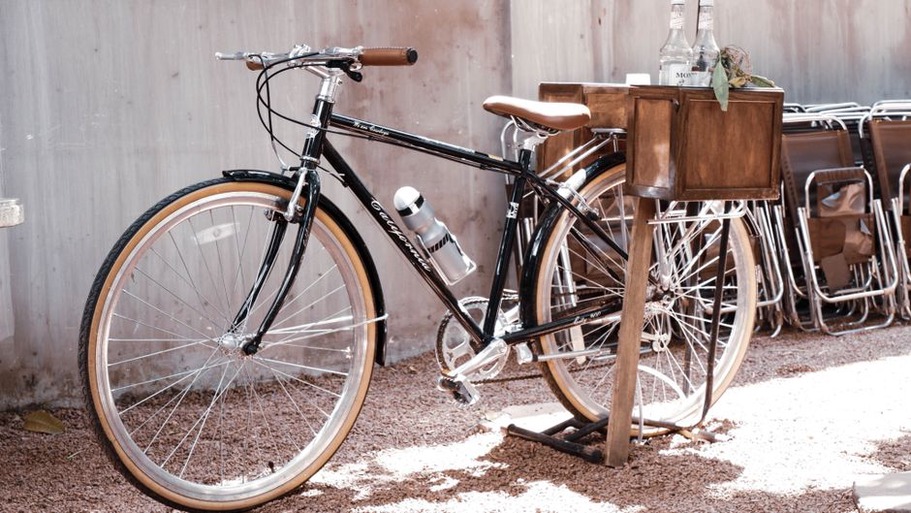
An upright city or utility bike often gives you a comfortable view ahead and mounting points for racks, mudguards and lights. A hybrid may suit longer errands or varied surfaces. Neither label guarantees the equipment you need, so inspect the individual bike for tire clearance, mounting points and a riding position you can maintain comfortably.
A cargo bike can make sense if you routinely carry children or substantial loads, provided its length, weight and turning space work at home and at your destinations. A folding bike addresses limited storage or trips combined with another mode of transport. Check its folded size, carrying weight and folding mechanism in person.
Electric assistance can help on hills and with frequent loaded starts, but it brings battery weight, charging needs and additional parts to service. Ride the bike with assistance, then maneuver it by hand. Pushing it through a doorway or lifting it into storage is part of everyday use. Check the local rules for the type of electrically assisted bike you are considering.
Fit comes before accessories
A size chart is only a starting point. Stand over the frame where appropriate, then ride long enough to turn, brake and restart. Check that you can reach the controls without stretching, steer without your knees hitting the bars, and stop with the confidence to put a foot down. A lower step-through frame can make frequent stops easier, particularly when you are carrying items at the rear.
Set the saddle high enough for a comfortable pedal stroke without rocking your hips from side to side. Don’t judge fit solely by whether both feet rest flat on the ground while you’re seated; saddle position, frame shape and stopping technique all affect that impression. Adjusting the saddle or handlebars may help, but it is unlikely to fix a frame that feels too long or hard to handle.
Plan how the load will travel
For modest errands, a rear rack and two panniers take weight off your shoulders and leave your hands free. Confirm that the rack fits, attaches securely and is rated for the intended load. Panniers should latch firmly, clear your heels and come off easily at a shop. A front basket keeps small items within reach, but a heavy load high on the handlebars can affect steering. Front racks and baskets differ in how they mount and how much they can carry; check the complete setup rather than assuming any basket will work.
Follow both the carrier manufacturer’s limits and the bike maker’s guidance. When checking the bike’s stated load capacity, count the rider, bags and everything in them. Spread purchases so one side does not pull noticeably, keep loose straps away from the wheels, and place fragile or heavy items low where the carrier permits. A short loaded ride may reveal heel strikes, changes in steering or rattles you would miss on an empty bike.
Prioritize reliable everyday equipment
Tires, mudguards and visibility
Choose tires for the surfaces you ride, and leave enough clearance for any mudguards you plan to fit. Wider tires at an appropriate pressure can improve comfort on uneven pavement, but the tires must fit the frame and rim. Check the pressure range marked on the tire along with the bike maker’s guidance. Puncture-resistant tires may mean fewer interruptions, though none prevents every flat.
Full-coverage mudguards help keep spray off your clothing and bags. For low-light trips, choose lights that illuminate the road where needed and help others see you; check local lighting and reflector requirements. A bell or other permitted warning device can help on shared routes. The Encyclopaedia Britannica overview of bicycle design explains the basic components, but equipment choices still depend on the bike and the route.
Brakes, gears and maintenance access
Brakes should feel predictable during a controlled test, including with the load you normally carry. Brake systems have different maintenance needs, so ask how to check for wear and whether a nearby workshop can service the model. The gearing should let you climb your steepest routine hill at a manageable effort and restart comfortably after a stop. The number of gears matters less than a range that suits the route.
Chain guards, enclosed drivetrains and belt drives can reduce contact with oily moving parts, depending on the design. Check how easily you can clean the drivetrain and get replacement parts. If the bike has an uncommon battery, proprietary fittings or specialized components, ask about availability before you buy.
Use a test ride that resembles an errand
If possible, ride a route with turns, stops and an incline. Mount and dismount, walk the bike, use the stand if it has one, and try every control. If the seller permits it, repeat part of the ride with a representative load secured in the carrier you intend to use. Listen for rubbing and notice how the bike tracks at low speed.
- At a stop: Can you balance the bike and restart without fighting its weight?
- On a climb: Is there a usable gear for the load you expect to carry?
- While turning: Do bags, feet and handlebars clear each other?
- At home: Can you move, park and lock the bike in its real storage space?
Before paying, price the setup you need, not just the bare bike: include the lock, lights, carriers, mudguards and any fitting work. A used bike can be good value, but check for frame damage, wheel problems, worn drivetrain parts and the condition of the brakes. If you cannot assess those confidently, arrange an independent mechanical check. Keep the purchase details and frame identification number somewhere secure.
As a final check, pack the items from an ordinary shopping trip into the planned bags. If they exceed a carrier limit, obstruct a wheel or make the bike difficult to walk, change the carrying setup before using it for that errand.