
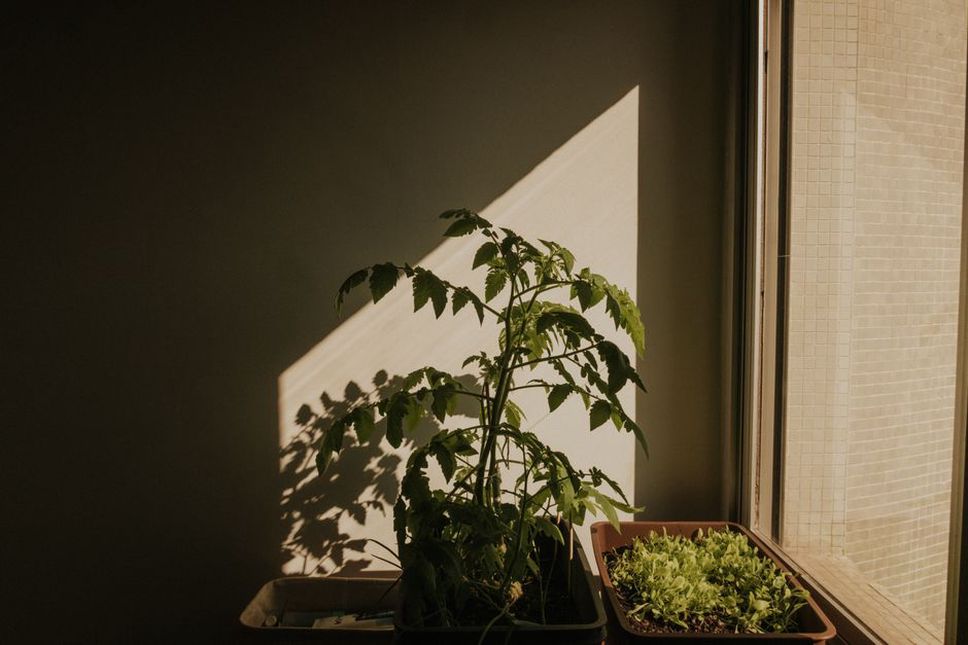
A plant can sit beside a window and still get too little light. The glass might face a shaded courtyard, or a deep roof overhang might block much of the sky. Before choosing a plant, check the exact spot where its leaves will be at several times of day. What matters is the daylight reaching the foliage, not simply the presence of a window.
What “low light” means indoors
Daylight drops off sharply with distance from a window. A spot a few metres into a room can be much dimmer than the sill, even if both look well lit to you. Window direction, nearby buildings, trees, blinds and the season all affect the light available. In the Northern Hemisphere, a north-facing window usually gets less direct sun than a south-facing one; the pattern reverses in the Southern Hemisphere.
Low light is not no light. Shade-tolerant houseplants still need enough light to make new growth and keep their existing leaves. A windowless room lit only when someone switches on a lamp is generally unsuitable for sustained growth unless an appropriate grow light runs regularly. A ceiling fixture that makes a room comfortable for reading may deliver little useful light to the leaves below it.
“Indirect light” means daylight reaches the plant without prolonged direct sun on its leaves. But the term covers very different conditions. A plant close to an unobstructed window may get ample light, while one in the far corner of the same room may get very little. Read “low light” on a plant label as a claim of tolerance, not a promise of vigorous growth anywhere.
Assess the exact position, not the room
- Watch the spot over a day. Note whether direct sun reaches it and when a neighbouring building or tree blocks the window.
- Check seasonal variation. A position that works through a bright summer may be marginal in winter, especially at higher latitudes.
- Consider the whole plant. Beside a small window, a tall plant may have well-lit upper leaves and a shaded lower canopy.
- Account for curtains. Frequently closed blinds can make a promising window much less useful.
A light meter can help you compare spots, but one reading captures only a moment; daylight shifts with the weather and time of day. Watch the plant over several weeks, too. Healthy new leaves, reasonable spacing between them and older foliage that stays in good condition suggest the position is working. Stalled or weak, stretched growth suggests it is not.
Reliable candidates for a dimmer room
No plant thrives in every dim spot. These species generally tolerate less indoor light than many flowering plants or succulents, provided the soil, temperature and watering suit them. Expect slower growth in deeper shade; variegated leaves may also lose some contrast.
| Plant | Why it is useful | Important limitation |
|---|---|---|
| Cast-iron plant (Aspidistra elatior) | Tolerates shade and grows slowly, making it useful where space is limited. | Dislikes waterlogged soil; strong direct sun can scorch its leaves. |
| ZZ plant (Zamioculcas zamiifolia) | Stores water in thick underground rhizomes and tolerates infrequent watering. | Wet soil, especially in dim conditions, can damage its roots. |
| Snake plant (Dracaena trifasciata) | Handles a range of indoor light levels and has an upright form. | Survives low light better than it grows in it; needs careful watering. |
| Heartleaf philodendron (Philodendron hederaceum) | Its trailing stems make changes in leaf size and spacing easy to spot. | Can become sparse or elongated too far from daylight. |
| Golden pothos (Epipremnum aureum) | An adaptable vine that can work near a modestly lit window. | Very dim light can reduce variegation and slow growth considerably. |
| Peace lily (Spathiphyllum species and hybrids) | Broad leaves can stay attractive in indirect light. | Less likely to flower in low light; consistently soggy soil is harmful. |
This is a starting point, not a ranking. A cast-iron plant may suit a consistently shaded position better than a variegated pothos chosen for its bright pattern. A pothos may be easier to assess where its vines can stay close to the window.
Match the plant to the available space
Shape matters as well as species. A snake plant fits a narrow floor area, but nearby furniture must not shade its leaves. A trailing philodendron can sit on a shelf, yet a shelf high above a window or deep in an alcove may leave the vines in shade. A small plant near the glass is usually a better choice than a large one pushed into a dark corner to fill the space.
If the room has a modest window, try one plant in the best available position first. Crowding several pots along the sill can shade those behind them. Keep leaves clear of cold winter glass and any patch where strong sun through that particular window could scorch them.
Choose for household conditions too
Light is only part of the placement decision. A radiator can dry a plant quickly even in a dim room, while leaves touching cold glass may be damaged in winter. If a pot is awkward to reach, water may sit unnoticed in its saucer for days.
Check pet and child safety before buying. Pothos, philodendron, peace lily, snake plant and ZZ plant should not be treated as safe to chew. Shop labels can be imprecise, so confirm the identity and suitability of the exact plant if animals or young children can reach it. A shelf is not a reliable barrier for a climbing cat.
Inspect the plant itself, too. Look for firm stems and leaves, check leaf undersides for pests, and avoid pots with a sour smell or persistently saturated soil. Choosing a shade-tolerant species will not make up for damaged roots. If possible, keep a new plant apart from established ones for a short time in case it carries pests.
Water for slower growth, not for a calendar
Plants in low light generally use water more slowly than the same plants in brighter positions. Keeping a fixed weekly watering schedule after moving a pot into shade can leave its soil wet for too long. That reduces air around the roots and raises the risk of rot.
Check before watering. Feel below the surface rather than relying on a dry-looking top layer, and notice whether the pot still feels heavy from its last watering. How much the mix should dry depends on the plant and the mix: a ZZ plant or snake plant usually needs more drying between waterings than a peace lily. When it is time to water, wet the root zone thoroughly, let excess water drain, and empty the saucer or decorative outer pot.
Make drainage visible
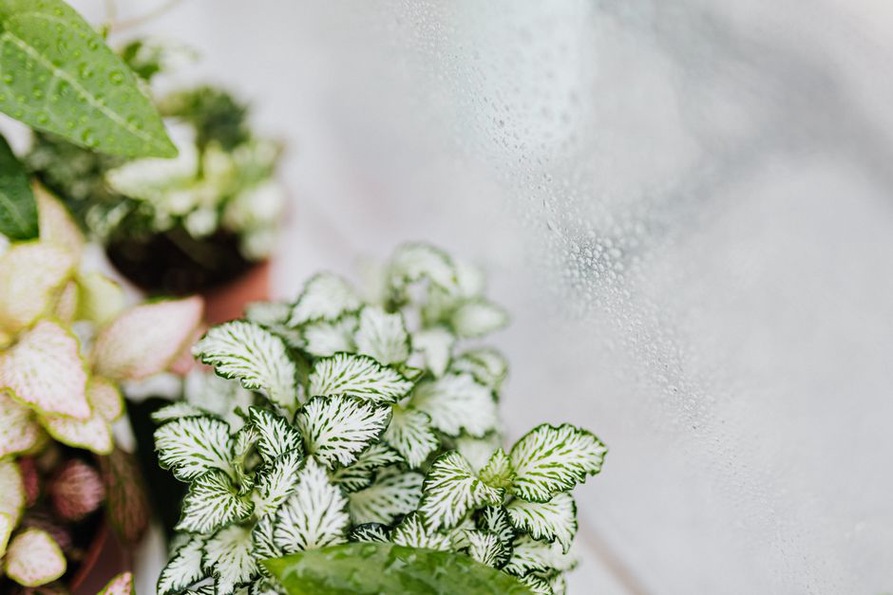
A nursery pot with drainage holes inside a decorative outer pot lets you remove the plant for watering and empty the runoff. Without an escape route for water, it is harder to tell what is happening around the roots. Pot size matters as well: a small root system in a large volume of wet mix can stay damp too long. Repot when roots have outgrown the container or the mix has deteriorated, not just because a larger pot would look better in the room.
Cut back on fertilizer when growth slows. It cannot make up for inadequate light, and salts may build up when the plant takes up little water. Follow the product directions while the plant is actively growing rather than feeding a stagnant plant to force new leaves.
Read the signs without jumping to one cause
Too little light often shows up as smaller new leaves, longer gaps between leaves or stems leaning toward the window. Variegated foliage may grow greener. A peace lily may stop flowering even while its leaves look healthy. These changes take time, so compare new growth with older growth rather than expecting an immediate response.
Yellow leaves are less conclusive. One older leaf may yellow naturally. Several yellowing leaves on a plant with wet soil point to a different problem from dry leaf edges near a hot draft. Before moving or watering the plant, check the soil, drainage, temperature and visible signs of pests. If you change everything at once, you may never know what helped.
If a plant is struggling in a dim spot, move it toward usable daylight gradually; a sudden shift from deep shade into strong direct sun can scorch its leaves. Where no suitable window position exists, a purpose-made grow light can supplement daylight. Follow the fixture’s instructions for distance, coverage and a consistent daily lighting period. It need not run around the clock; plants also need a regular dark period.
Set realistic expectations for dark corners
A shade-tolerant plant can survive for a long time in a marginal position without growing much. Survival is not proof that the spot is adequate. If it loses older leaves and produces few replacements, move it closer to the window or provide suitable artificial light rather than adding more water.
For a room with one shaded window, try a cast-iron plant or ZZ plant where its leaves receive the available daylight—not across the room. Keep its nursery pot in an outer pot you can empty easily, note how long the mix takes to dry, and compare its next new leaf with the older ones. That leaf will tell you more about the spot than how bright the room looks to you.