A sweatshirt that comes out stiff and streaked may have too much detergent in it, not too little. When the washer is crowded, it may struggle to rinse away the excess. Before adding more detergent next time, check the dose on the product label, the load size and whether the clothes have room to move.
Skipping the care label
Start with the label when washing an unfamiliar garment. It may limit the water temperature, call for a gentle cycle or rule out machine washing. Fabric content is not enough to go on: a cotton garment with a print, finish or unusual construction may need gentler handling than a plain cotton T-shirt.
Look up any care symbol you do not recognize rather than guessing. Washing a dry-clean-only garment at home can affect its shape, lining or finish. Before machine-washing anything else, check for loose buttons and existing tears; agitation can make small defects worse.
Sorting only by color
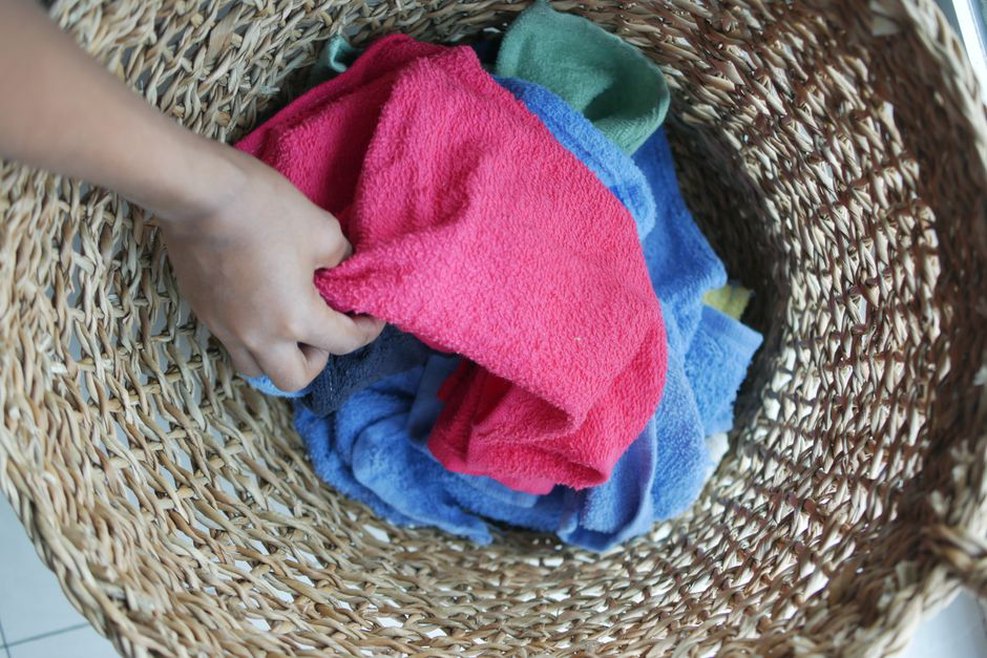
Keeping lights apart from darks helps prevent dye transfer, but items in the same color group may still need different loads. Jeans can abrade delicate knits, while towels shed lint that clings to some synthetic fabrics. Muddy work clothes also need a different wash from lightly worn shirts.
A practical sorting check
- Color: Separate whites and pale items from dark or potentially dye-bleeding garments, especially during early washes.
- Fabric and weight: Keep heavy, abrasive pieces away from lightweight or delicate ones.
- Soil level: Wash muddy or greasy garments according to their condition without over-washing cleaner clothes.
- Care requirements: Group items that can share a temperature and cycle.
If you are concerned that a new dark garment may bleed dye, follow its label and wash it separately. Close zippers and fasten hook-and-loop strips to reduce snagging. You can also turn printed or dark garments inside out if their care instructions allow it.
Leaving stains until wash day
Time and heat can make some stains harder to remove. Treat a spill as soon as practical, but avoid hard scrubbing, which can spread the mark or damage fibers. Blot excess liquid, lift off loose solids and check the care label before applying a treatment. If you are unsure whether the color will hold, test the product on an inconspicuous area first.
No single treatment works for every stain. Start with cool water for blood and other protein-based stains rather than hot water; a laundry product intended for oily stains may help with grease. Check the result before putting a stained item in the dryer, since heat can make a remaining mark harder to lift. If the stain is still there, repeat an appropriate treatment instead of automatically choosing a hotter wash.
Using the hottest, longest cycle by default
Hot water and prolonged agitation can fade colors, increase wear and affect garments prone to shrinking. Choose the lowest temperature and least intensive cycle that suit both the care label and the cleaning task. A lightly worn shirt usually needs less agitation than heavily soiled workwear.
Cool water is not right for every load, though. Some hygiene-related washing may require a higher temperature or a suitable laundry sanitizer, provided the fabric label and product instructions allow it. The temperature shown on a household washer does not guarantee that every item experiences the same conditions throughout the cycle. Follow the relevant care and cleaning guidance rather than assuming a setting alone disinfects the load.
Overloading the washer
Clothes need room to move through the wash water and rinse properly. Pack the drum too tightly, and detergent and soil can remain in folds; the machine may also spin poorly or become unbalanced. Tiny loads are not automatically better, since washing them frequently can use more water and energy per garment. Check the machine’s load guidance, which may vary for cottons, synthetics and delicates.
Take particular care with bulky items. A duvet may fit in the drum when dry but become too heavy or have too little room to move once wet. Check its care label and the washer’s capacity guidance. If the machine struggles to spin, or the duvet comes out with dry patches and soap residue, it needs a more suitable cleaning method.
Guessing at detergent and additives
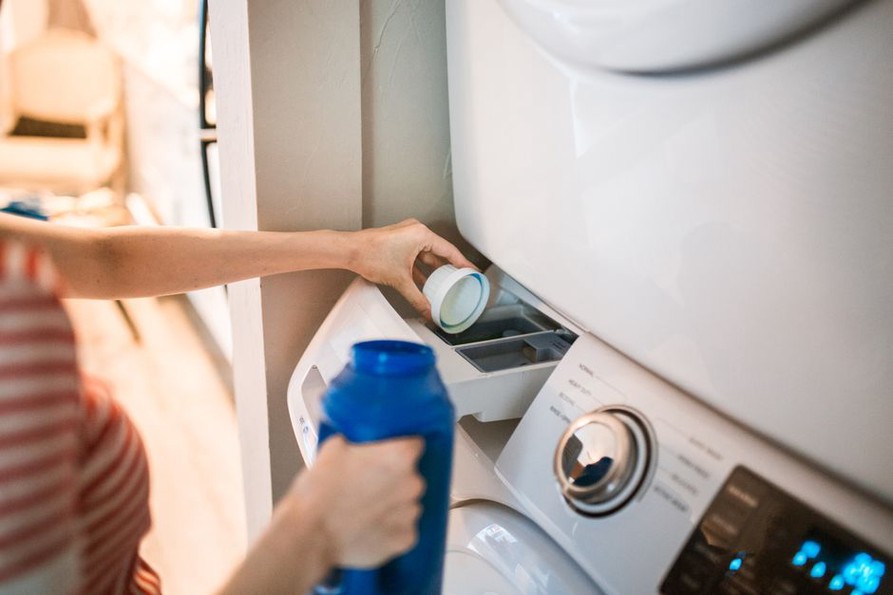
Detergent dose depends on the product’s concentration, the load size, how dirty the clothes are and local water conditions. Excess suds can interfere with rinsing; too little detergent can leave soil behind. Measure according to the product instructions rather than guessing from the cap size. If clothes feel coated after washing, check the dose before reaching for another additive.
Fabric softener can coat towels and reduce their absorbency. It may also affect some technical fabrics, so check their care directions before using it. Never mix bleach with ammonia, vinegar or other cleaning products: hazardous fumes can result. Use bleach only when both the garment and product labels permit it.
Ignoring pockets, fasteners and laundry bags
One forgotten tissue can leave lint across an entire load. Coins, keys and other hard objects can strike the drum or lodge in the machine. Empty pockets and shake out loose debris before loading clothes. Close zippers, secure hooks and put small or delicate items in a mesh bag if their labels allow machine washing. The bag helps prevent snags; it does not make a non-machine-washable item safe to put in the washer.
Letting clean laundry sit wet
Clothes left for hours in a closed washer can develop stale odors and deep creases. Move them to the dryer or drying area promptly. If a forgotten load smells musty, rewash it instead of covering the smell with fragrance. Between uses, leave the washer door or lid ajar if the manufacturer permits it, and clean the detergent drawer and door seal as the manual directs.
Drying without checking the garment
Dryer heat can shrink or distort some fabrics, weaken elastic over time and set stains that survived the wash. Check the drying symbol before choosing a temperature, and take garments out when they are dry rather than running an unnecessarily long cycle. Clean the lint filter according to the dryer instructions and maintain the vent path as the manufacturer recommends. Restricted airflow slows drying and can create a fire hazard.
For air-dried items, pay attention to shape as well as location. A heavy knit hung by its shoulders may stretch under its own weight. If the label calls for flat drying, lay it flat where air can circulate around it.