
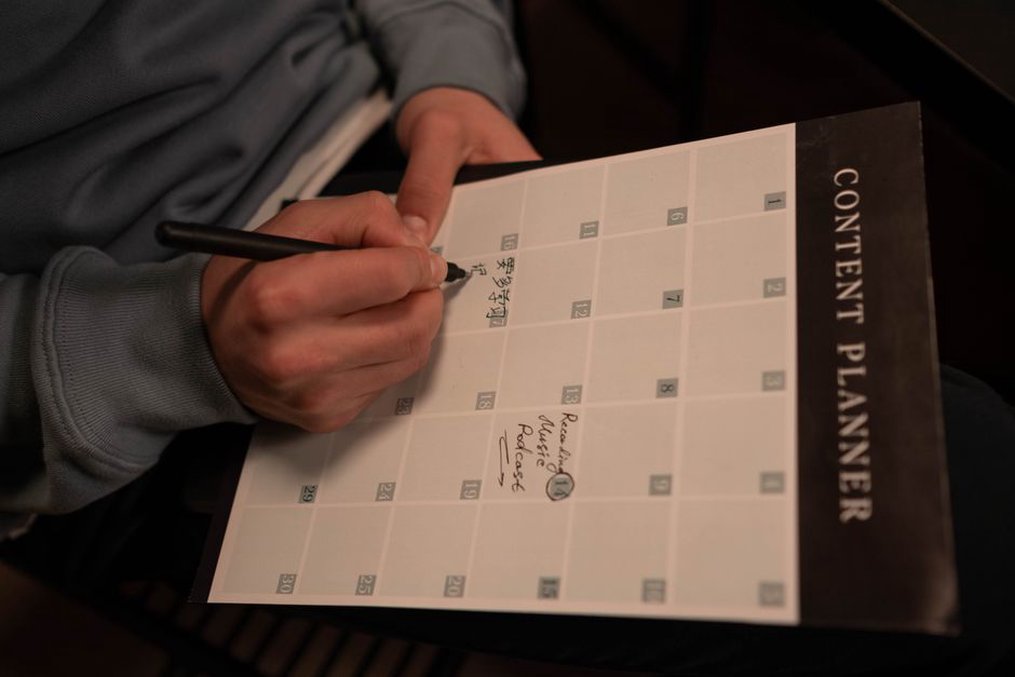
An inspection note on a bridge may be worth publishing, but its terminology, photographs and interpretation need checking first. Schedule the article for the day of the inspection and there may be no time to do that work. Wait for every detail to be settled and the findings may lose their operational relevance. The calendar needs to show both the intended publication date and the checks that must happen before release.
For a transport infrastructure publication, growth is not simply a higher post count. It is an archive readers can use and trust: explanations of failure mechanisms, monitoring choices, construction constraints and maintenance decisions. A calendar helps the editorial team revisit those subjects as evidence develops without presenting preliminary observations as engineering advice.
Start with the decisions readers need to understand
Before assigning dates, list the questions the publication can address. A useful grid has three dimensions: asset type, decision stage and recurring constraint. Asset types might include roads, rail formations, bridges and tunnels. Decision stages could span investigation, design, construction, inspection and rehabilitation. Constraints might include groundwater, access, material deterioration or uncertain subsurface conditions.
The grid makes gaps visible; it does not require an article for every cell. Frequent coverage of bridge monitoring alongside little on construction verification, for example, is an imbalance worth examining. The grid also helps distinguish a new piece from a rewording of an existing one. An established explanation of monitoring ground movement beyond railway ballast need not be repeated in a general post about track stability. A follow-up could instead examine how editors assess field-data quality before reporting a monitoring result.
Give each proposal a short purpose statement: the reader's problem, the distinction the article will clarify, the evidence it needs and the claims it will leave out. A piece on settlement trends might explain why instrument location and measurement history matter. It should not infer a safe intervention from a graph without a project-specific assessment.
Plan capacity before frequency
A calendar that assumes every draft will pass technical review on the first attempt is a queue of avoidable delays. Account for commissioning, source checking, drafting, engineering review, figure permissions, editing and final approval. Reviewer time, rather than writing time, may set the pace.
Choose a baseline cadence that can withstand an unusually busy month. One carefully reviewed technical article every two weeks may be more sustainable than weekly posts that repeatedly slip. Leave room for corrections, emerging hazards and follow-up coverage, particularly when an event draws public interest before reliable engineering information is available.
Use a small set of calendar fields
A spreadsheet or editorial board is enough if every entry answers the same questions:
- Working title and distinct angle: what the item adds to existing coverage.
- Audience and purpose: the decision or concept it helps clarify.
- Evidence status: available sources, missing data and claims that need verification.
- Owner and reviewer: who prepares the draft and who checks its technical interpretation.
- Milestones: draft, review, revision and publication dates.
- Dependency or hold: figure permission, pending test results or an unresolved technical question.
- Next review date: when the published information should be checked for continued accuracy.
Track status separately from dates. “Scheduled” means the topic has a slot; “ready” means the necessary checks are complete. An approaching deadline is not permission to publish.
Mix durable explanations with time-sensitive material
Some technical articles remain useful between major events. They may explain the limits of a monitoring method or show how inspection findings differ from possible causes. Time-sensitive coverage might concern a newly reported failure, a field trial or the reopening of a damaged route. Both belong on the calendar, but they need different lead times and safeguards.
Put durable pieces in the baseline schedule, where research and review can be planned. Leave marked openings for developments that warrant prompt attention, but do not fill a slot simply because it is empty. When a timely subject arises, ask whether the evidence supports a reported account, a carefully bounded explanation of known mechanisms, or no article yet.
Existing content needs calendar time too. Terminology may change, a cited finding may be superseded or a diagram may prove misleading. Record the update and its date. A silent rewrite can make earlier interpretations hard to trace.
Sequence topics so each publication earns its place
A recurring theme can build readers' understanding if each article answers a different question. A sequence on tunnel water management, for example, could address water pathways, observations during inspection and the interpretation of changes after maintenance. Those are related tasks, not three versions of the same introduction.
Consult the published inventory before commissioning a follow-up. Note each article's scope, key claims and limits. This helps prevent overlap while revealing useful connections. An entry on how to present repair case histories, for instance, could refer to matching bridge rehabilitation to the failure mechanism without repeating the repair discussion. Its own focus would be the documentation a case history needs to support its claims.
Do not force a topic into a series. If the evidence supports one strong piece rather than three, schedule one. Splitting a complete explanation into fragments to meet a publishing target does readers little good.
Build the review process into the dates
Technical review works best when it starts before the full draft. At assignment, agree on the central claim and the level of specificity suitable for a general engineering audience. Identify statements that depend on site conditions, test methods or local requirements. A reviewer can then challenge an unsupportable angle before the writer spends time developing it.
Later checks should cover both accuracy and presentation. Does a figure show the quantity named in its caption? Are observed defects kept separate from hypothesized causes? Is a case example sufficiently anonymized, and are image rights clear? Does the text recommend an intervention that would require a project investigation? Put time for those checks on the calendar rather than requesting them on publication day.

Keep a short change log for substantial technical edits. If a reviewer changes “indicates foundation movement” to “is consistent with movement but requires corroboration,” record why. That distinction may matter again in captions, later articles or replies to readers.
Measure whether the calendar serves readers
Publication counts show output, not usefulness. At regular intervals, look at missed deadlines and their causes, time spent awaiting technical review, post-publication corrections, whether readers reach related explanations and questions that recur in professional feedback. Traffic may show interest, but it cannot establish technical value or accuracy on its own.
Compare those signals with the calendar's purpose. Short event-driven posts may draw attention while foundational articles answer persistent questions; cutting the latter would weaken the archive. If a recurring series adds little new information, publish it less often or change its angle. The schedule is a plan to test and revise, not a commitment to publish regardless of evidence.
At the next monthly review, choose one delayed entry and write the actual bottleneck beside its planned dates. If technical review ran long because the draft made site-specific claims, set those limits in the next assignment brief before drafting begins.