Understanding Seismic Vulnerabilities in Transport Infrastructure
Transport infrastructure in earthquake-prone areas faces significant challenges due to the unpredictable nature of seismic activity. The primary threat is the ground shaking effect, which can severely damage roads, bridges, tunnels, and railways. Engineers must take into account factors such as soil liquefaction, ground displacement, and potential landslides when designing transport systems in these regions. Anticipating and addressing these risks is crucial for maintaining the safety and durability of infrastructure.
Key Considerations for Design
Designing transport infrastructure in seismic zones involves a detailed approach that addresses various geotechnical and structural elements:
- Site Characterization: Conducting geological surveys and soil testing is essential to identify areas susceptible to liquefaction and to evaluate the soil's ability to support structures during an earthquake.
- Structural Design: Implementing seismic-resistant design principles, such as flexible joints and energy-dissipating devices, can improve the resilience of bridges and tunnels.
- Material Selection: Using materials with high ductility and energy absorption capabilities is vital for withstanding seismic forces. For more on material reliability, refer to Understanding Material Reliability in Transport Infrastructure.
- Foundation Design: Deep foundations and pile systems can provide additional stability, reducing the risk of settlement and collapse.
Seismic Design Standards and Guidelines
Following established seismic design codes and guidelines is critical for the safety of transport infrastructure. These standards are typically based on regional seismic hazard assessments and historical data. Engineers must keep up with updates to these codes, which change as new research and technologies emerge.
In regions with high seismic activity, performance-based design approaches are often used. This involves creating models to simulate how infrastructure behaves under different seismic scenarios, allowing engineers to fine-tune designs for specific performance objectives. The integration of advanced geotechnical tools, as discussed in Lifecycle Analysis in Transport Infrastructure: From Foundations to Decommissioning, further enhances the accuracy of these models.
Advanced Monitoring and Maintenance
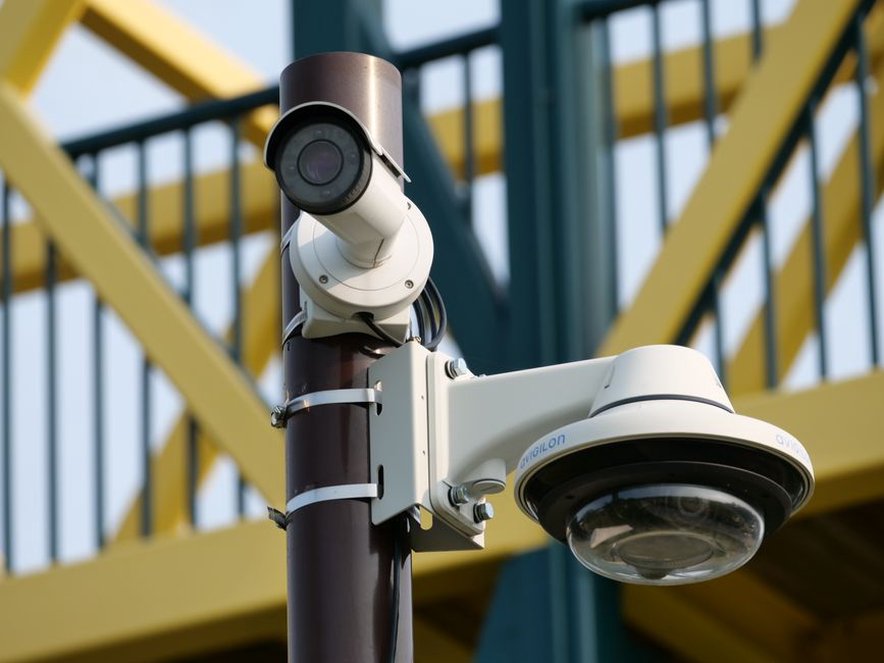
Monitoring systems are crucial for maintaining the health of transport infrastructure in seismic zones. Implementing real-time data collection and analysis helps identify potential issues before they escalate. Technologies such as satellite radar and ground-based sensors provide valuable insights into structural integrity and ground movement.
Regular maintenance and inspection protocols are necessary to keep infrastructure in optimal condition. This includes checking for signs of wear, corrosion, or structural fatigue that could affect performance during an earthquake.
Case Study: Innovative Solutions in Seismic Design
A remarkable example of innovative seismic design is the use of base isolators in bridge construction. These devices enable a bridge to move independently from ground motion, significantly reducing the forces transmitted to the structure. Such advancements underscore the importance of integrating new technology into traditional engineering practices.
Conclusion: Building Resilience for the Future
Designing transport infrastructure in seismic zones requires a proactive approach that combines advanced engineering techniques with rigorous standards. By focusing on resilience, adaptability, and sustainability, engineers can ensure the longevity and safety of critical transport networks. As climate change continues to affect environmental conditions, incorporating adaptive strategies will be crucial for maintaining infrastructure performance.

For further insights into how climate change affects transport infrastructure and potential adaptation strategies, consider exploring Adapting Transport Infrastructure to Climate Change Challenges.