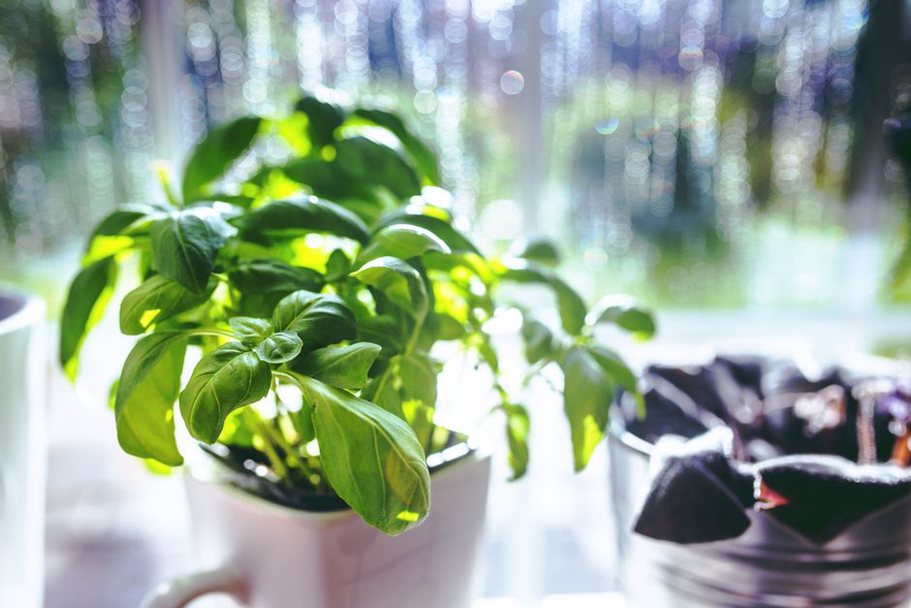
A basil plant can sit in a kitchen that looks bright and still receive too little light to grow well. A wall, window frame or short winter day may shade its leaves for much of the day, even when there is plenty of light for cooking. Before buying pots or seeds, check the proposed windowsill at several times over one day. Count the hours of direct sun reaching the plants, not how bright the room feels.
Start with light, then choose the herb
Most culinary herbs grow best with several hours of direct sun. A south-facing window in the Northern Hemisphere, or a north-facing one in the Southern Hemisphere, is often the strongest option. Orientation is only a starting point, though: buildings, trees, overhangs and the season all affect the light reaching the sill. An east-facing window may suit herbs that tolerate gentler morning sun; a deeply shaded window is unlikely to produce compact, productive growth.
The plant offers clues, too. Long, thin stems, wide gaps between leaves, small pale new leaves or growth leaning sharply toward the glass can point to insufficient light. Rotate the pot periodically so one side does not stay shaded. If a sunny spot is unavailable, a suitable grow light may help when positioned and used according to its manufacturer’s instructions. A lamp across the room is unlikely to replace a bright windowsill.
Choose herbs to match the light you have. Basil, rosemary, thyme and oregano generally do best in strong light. Parsley, chives, mint and cilantro tolerate somewhat less, but that does not mean they will grow vigorously in a dim room. Cilantro also has a short productive life before flowering, especially in warmth. Sowing another small batch is often more useful than trying to keep one plant going indefinitely.
Give roots drainage and enough room
Every container needs a drainage hole. Without one, water can collect around the roots while the surface looks dry. Set the pot on a saucer to protect the sill, then empty the saucer after excess water drains. Stones at the bottom of a pot without a hole do not give water a way out.
Use potting mix intended for containers; garden soil can compact in a small pot. Pick a container that fits the current root system with some room to grow. A small seedling in a very large pot, however, may sit in damp mix that dries slowly. If roots circle densely inside a nursery pot or emerge through its drainage holes, move up a modest pot size.
Keep plants apart when their needs or growth habits conflict. Mint spreads quickly and is easier to manage on its own. Rosemary and thyme prefer the mix to dry between waterings, while parsley and basil generally need more consistent moisture. Even compatible herbs should not be crowded until their leaves and roots compete for space.
Water the mix, not the calendar
Check below the surface before watering. In a small pot, feel the mix about a finger’s depth down and lift the container to gauge its weight. If the upper layer is dry and the pot feels light, water thoroughly until some drains out. If it is still damp and heavy, wait and check again. Pot size, plant growth, sunlight and indoor heating all affect how fast the mix dries.
Wilting does not always mean thirst. Dry mix and a light pot suggest the plant needs water; wet mix and persistent wilting may point to damaged roots or poor aeration. Adding more water to an already wet pot can make matters worse. Yellow leaves have several possible causes, so inspect the light, drainage and roots before changing more than one condition.
Account for the window’s microclimate
Conditions on a windowsill can differ sharply from those elsewhere in the room. Leaves pressed against cold glass may suffer on chilly nights, while afternoon sun through the pane can heat a small pot quickly. Keep foliage clear of the glass and move tender herbs away from drafts or severe cold. Basil is particularly sensitive to low temperatures. Rosemary and thyme are less delicate, but prolonged waterlogging can still harm their roots.
A heating vent may dry leaves and potting mix quickly. That calls for more frequent checks, not automatic daily watering. If moving air repeatedly bends or dries the plants, shift the pots away from the vent. Some airflow helps, but crowded foliage can trap moisture around leaves and hide early signs of trouble.
Start small and harvest to keep growth usable
For a first windowsill planting, choose two or three herbs you actually cook with and give each a suitable pot. A vigorous-looking grocery-store basil pot may contain several tightly packed seedlings. Thinning or dividing them can ease competition, though stressed plants may need time to recover. Seeds take longer to yield a harvest; a healthy established plant gives you a head start. Neither will make up for inadequate light.
How you harvest depends on the plant:
- Basil: Cut a stem just above a pair of leaves to encourage branching. Do not strip off most of the foliage at once.
- Chives: Cut leaves above the base rather than pulling out the plant, and leave enough growth for recovery.
- Parsley: Take mature outer stems near their base and let the younger central growth develop.
- Rosemary and thyme: Snip tender stem tips for cooking, avoiding cuts far into old, leafless woody growth.
- Mint: Pinch or cut stems above a leaf pair to encourage fuller growth, and keep its spreading roots contained.
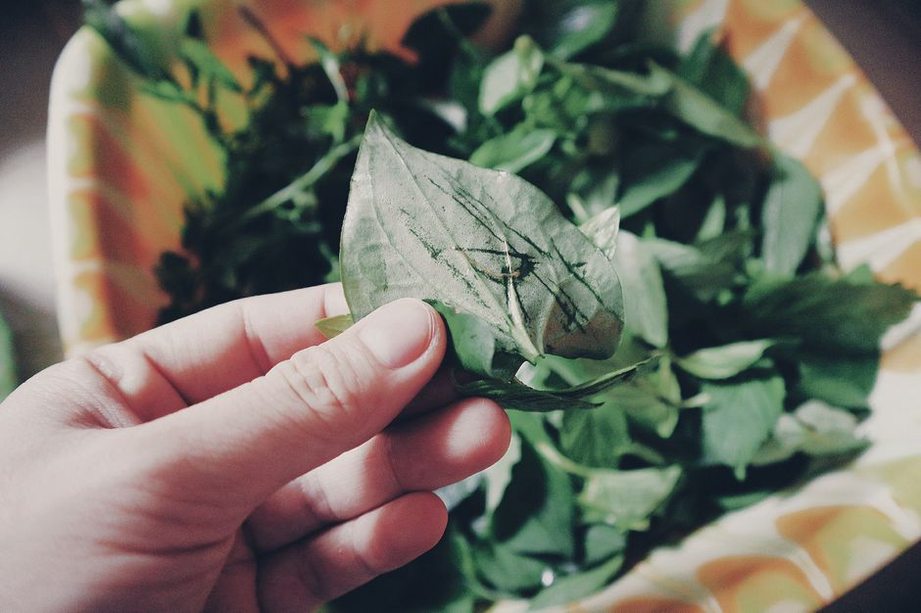
Small, frequent harvests are usually easier on a potted herb than taking most of its leaves for one meal. Let a new plant establish active growth before taking substantial cuttings. Pinching off basil flower buds can extend leaf production; once cilantro flowers, a replacement sowing is often the better bet.
Feed lightly and investigate pests early
Plants gradually use up the nutrients in potting mix. If growth slows despite adequate light, a suitable temperature and healthy roots, consider a fertilizer labeled for edible container plants. Follow the label rather than adding extra for faster growth: too much can damage roots, and fertilizer cannot fix poor light or drainage. Newly potted herbs may not need feeding right away, depending on the mix.
When you water, look under the leaves and around the growing tips. Aphids, whiteflies and spider mites can establish themselves indoors, especially on plants brought home from elsewhere. Isolate an affected pot while you identify the pest. For a small infestation, removing badly affected leaves and washing off visible pests may help. Any product used on culinary herbs must be labeled for edible plants and applied exactly as directed. Wash harvested leaves before use.
The mix can reveal a problem as well. Small flies around a persistently damp surface may be fungus gnats. Allowing the upper layer to dry appropriately between waterings, while making sure the pot drains, addresses conditions that favor them. Do not let a moisture-loving herb wilt severely just to dry the surface; adjust watering to the plant and its pot.
Use a simple check when growth falters
- Count the hours of direct light reaching the leaves, not just the window.
- Feel the mix below the surface and confirm that the drainage hole is open.
- Check for cold glass, drafts or a heating vent close to the foliage.
- Inspect stems and leaf undersides for pests before adding fertilizer.
Change one condition at a time where possible. If parsley leans toward the window but its pot drains well and its leaves show no pests, try a brighter position first. Note where the pot sits, then watch the new growth over the following weeks. Stretched stems will not become compact again, but healthy new leaves can tell you whether the move helped.