A ceiling light can brighten a kitchen yet leave the countertop in your shadow. The bulb may be fine; the problem is where the light falls. Before choosing fixtures, identify the surfaces people need to see and find ways to light them without glare.
Plan around tasks, not fixtures
Think about three kinds of light. Ambient lighting provides general visibility for moving around. Task lighting lights a place where someone reads, cooks, works or gets ready. Accent lighting draws attention to a shelf or wall, but is optional. A small room may not need a separate fixture for each purpose. Still, it helps to make the distinction: a decorative pendant can set the mood without putting enough light on the table.
Walk through the room when it is normally used. Note the daylight, dark corners, reflective surfaces, outlets and paths around furniture. Does someone standing at the counter block the ceiling light? Does a bedside lamp shine into another person’s eyes? Mark furniture, switches and proposed light sources on a simple sketch before buying anything.
Understand the specifications that affect comfort
Lumens describe a lamp’s visible light output; watts describe its power use. Neither tells you on its own how well the work surface will be lit. A shaded lamp spreads light differently from a narrow spotlight, while distance and aiming change the result. Compare lumens when replacing bulbs, but consider the fixture and its position too.
Color temperature, measured in kelvins, describes how warm or cool white light appears. Warm white, often around 2700–3000 K, generally suits living rooms and bedrooms. Neutral white, often around 3500–4000 K, may be useful in kitchens, utility rooms and work areas. These are preferences, not fixed rules. In an open-plan space, sharply different color temperatures can look disjointed.
Color rendering matters when you need to judge colors, such as at a bathroom mirror or food-preparation counter. A stated CRI of at least 80 is a practical starting point; better color rendering can be useful for those tasks. If you want dimming, check that both the lamp and the specific dimmer are compatible. Mismatched LED lamps and controls can flicker, buzz or dim unevenly.
Choose lighting room by room
Living room: make several activities possible
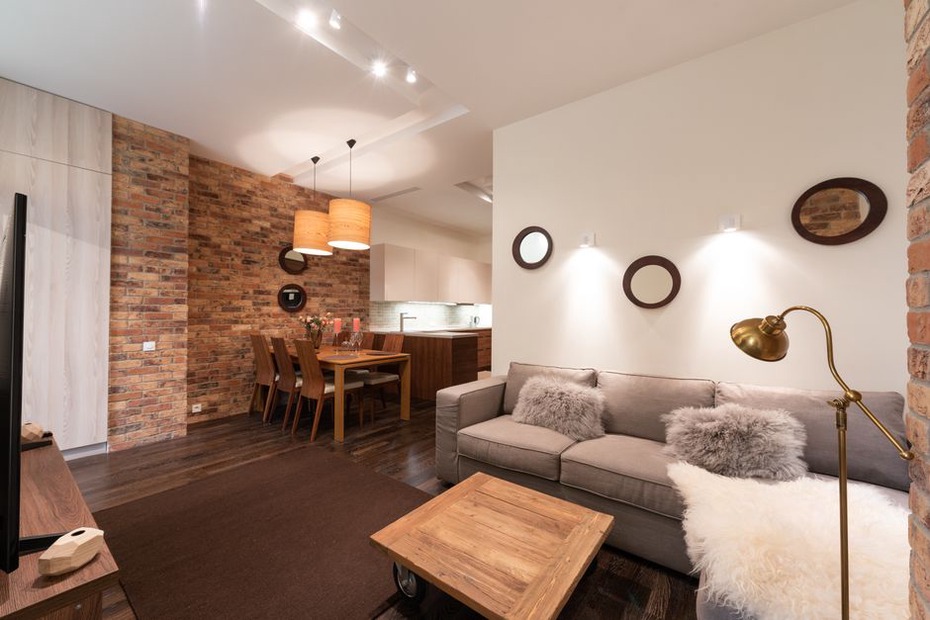
A living room may be used for conversation, reading and television at different times. Ceiling light helps with cleaning or finding things; table and floor lamps let people adjust the light where they sit. For reading, direct light onto the page from the side, rather than from behind the chair or into the reader’s eyes. An uplight can soften a dark corner, as long as it does not create distracting reflections on a screen.
Separate controls are often more useful than one uniformly bright fixture. If there is only one ceiling connection, plug-in lamps add another layer without altering fixed wiring. Keep cords out of walkways and where furniture cannot pinch them.
Kitchen and dining area: illuminate the surface
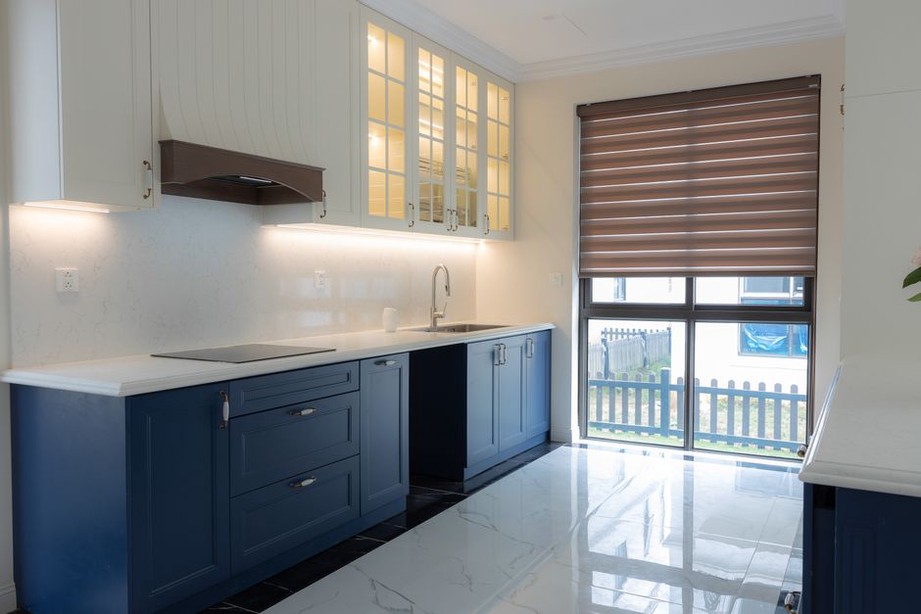
Start with the counters, sink and cooking area. Under-cabinet lighting can reach the work surface in front of the person using it, where a ceiling light might cast a shadow. Check for even coverage rather than isolated bright spots, and make sure the fixtures do not shine into seated sightlines. Lights near a range or sink must be suitable for that location; follow the product instructions and applicable electrical requirements.
A dining pendant should light the tabletop without blocking conversation or causing glare across it. Mounting height depends on the table, ceiling and fixture, so check the view from seated and standing positions before fixing it in place. A separate control allows the table to stay comfortably lit after the brighter kitchen task lights are switched off.
Bedroom: support both winding down and getting dressed
Use soft general light for moving around and finding clothes, with a bedside light each reader can reach. A directed shade can light a book while bothering a partner less than an exposed bulb. Place switches so no one has to cross a dark room to reach them. Closet lighting should make the contents visible without being blocked by stored items; follow the fixture’s clearance and installation instructions.
Late at night, dimming or a lower-output bedside lamp may be more useful than a bright overhead light. If a night light is needed along the route to the bathroom, place it low enough to show obstacles without shining toward the bed.
Bathroom: reduce shadows at the mirror
A ceiling light behind someone at the vanity can leave their face in shadow. Lights beside the mirror, or a well-designed light above it, can give more even illumination. Choose fixtures rated for their exact location: conditions near a shower or above a bath differ from those at a dry vanity. Electrical protection and placement requirements vary by jurisdiction, so use a qualified electrician for new wiring or an installation you are unsure about.
Home office: control glare as carefully as brightness
Light the desk without reflecting light off the monitor. A movable task lamp can be aimed at paper and keyboard instead of the screen. Keep some background light on when using a bright display in a dark room, and adjust blinds if daylight causes strong glare. A lamp should provide comfortable light at the desk, not just look bright when viewed directly.
Hallways, stairs and entryways: make the route legible
Keep the route visible at floor level, especially around steps, thresholds and stored objects. One bright fixture at the far end may still leave part of a hallway dim. Put switches where people enter and leave. Motion-activated lights can help, but test their detection and timing during ordinary use. Decorative accent lights alone should not be relied on to reveal stair edges.
Test the arrangement before committing
Where practical, try portable lamps or temporary bulb changes before buying fixed fixtures. Check the room after dark and in daylight, with furniture in its usual position. Sit and stand where people normally do, looking at work surfaces, faces, screens and the route through the room. A dimmer will not fix poor aiming, and a brighter bulb may add glare without making a task easier to see.
- Check that frequent tasks have light on the surface where they happen.
- Look for exposed bulbs and reflections from normal viewing positions.
- Confirm that switches and controls are easy to reach.
- Check lamp ratings, fixture limits and dimmer compatibility before installation.
Before replacing a bulb, read the fixture label for its permitted lamp type and maximum rating, then choose an appropriate LED replacement. Test it from the position where the light is used. At a desk, that means checking whether you can read the paper without a bright reflection crossing the monitor.