
A damp bag of spinach may deteriorate in days, while dry onions can last weeks in a ventilated cupboard. Freshness at purchase matters, but so do temperature, moisture, airflow and the produce stored nearby. When groceries come home, check for damage and set those items aside for prompt use. Then store the rest according to what each type needs.
Control the conditions that cause spoilage
Produce remains biologically active after harvest. It loses water, uses stored energy and may continue to ripen. Refrigeration slows many of these changes, but it does not suit everything. Leafy greens need protection from drying out; onions need dry air and ventilation; some fruits develop better flavor as they ripen at room temperature.
Focus on four conditions:
- Temperature: Refrigerate most berries, leafy greens, broccoli and cut produce promptly. Keep chilling-sensitive whole produce, such as unripe tomatoes and bananas, at room temperature.
- Surface moisture: Condensation and trapped wash water encourage decay. Keep produce dry unless you are deliberately storing it in water under refrigeration.
- Humidity: Greens and carrots lose crispness in dry air. A loosely closed bag or crisper drawer helps limit water loss without sealing wet leaves in an airtight container.
- Airflow and pressure: Dense piles trap moisture and bruise delicate produce. Ventilate onions and garlic, and do not stack heavy items on berries or greens.
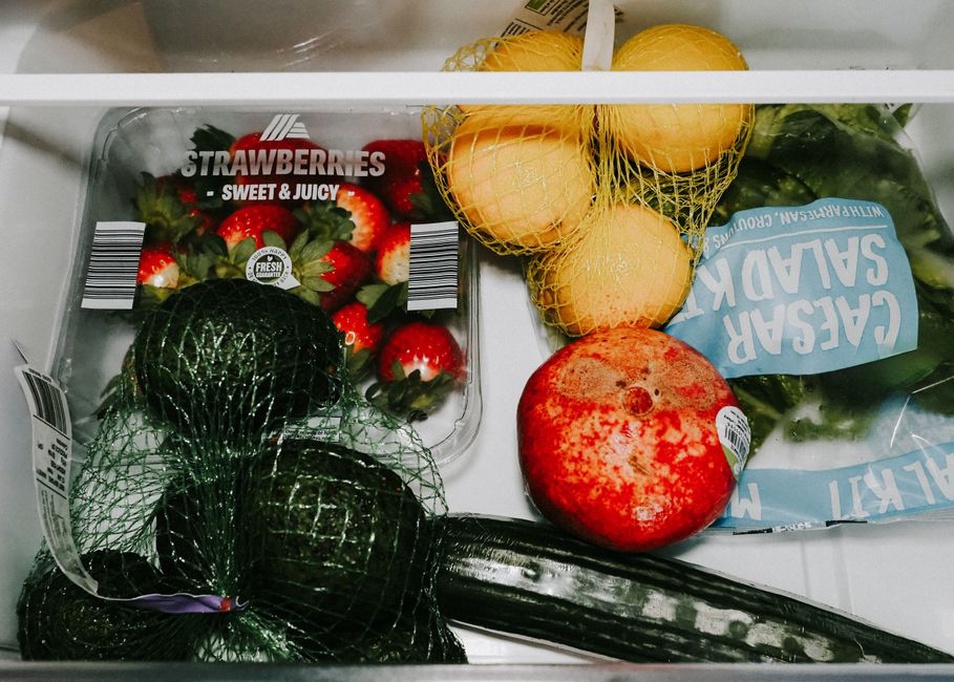
Use the refrigerator’s produce drawers if you have them, but check what is happening inside. A high-humidity setting generally suits vegetables prone to wilting; a lower-humidity setting suits produce that fares better with less trapped moisture. Drawer designs vary. What matters is whether the contents stay crisp without collecting condensation.
Decide what to refrigerate
The guidance below applies to whole, intact produce unless stated otherwise. Cutting exposes surfaces that are more vulnerable to microbial growth. Refrigerate cut fruit and vegetables in a covered container and use them promptly. Follow storage instructions on packaged produce, particularly ready-to-eat items.
| Produce | Starting place | Useful adjustment |
|---|---|---|
| Leafy greens, broccoli, carrots | Refrigerator | Protect from drying; remove excess water before packing |
| Berries and grapes | Refrigerator | Keep dry and avoid crushing; wash near serving time |
| Whole tomatoes | Counter while ripening | Refrigerate ripe tomatoes if they need more time, then bring them to room temperature before eating |
| Bananas, unripe avocados, unripe stone fruit | Counter | Refrigerate avocados or stone fruit after ripening to slow further softening |
| Whole onions and garlic | Cool, dry, ventilated place | Keep out of sealed plastic bags |
| Potatoes and sweet potatoes | Cool, dark, ventilated place | Keep away from light and dampness; do not refrigerate routinely |
A counter spot should be away from sunny windows and the cooker: heat and direct light speed deterioration. Do not pack the refrigerator so tightly that cold air cannot circulate. If food seems to spoil unusually quickly, check the appliance with a thermometer. The commonly recommended food-safety target is 4°C (40°F) or below.
Handle moisture without drying everything out
The goal is to keep free water from sitting on produce while limiting water loss from items that wilt. Discard slimy greens and dry any visibly wet leaves. Put the rest in a container or bag with a clean, dry towel to absorb condensation; replace it if it becomes soaked. Delicate herbs such as cilantro and parsley can go in the refrigerator with their stems in a little water and their leaves loosely covered. Keep the leaves above the waterline, and change the water if it clouds.
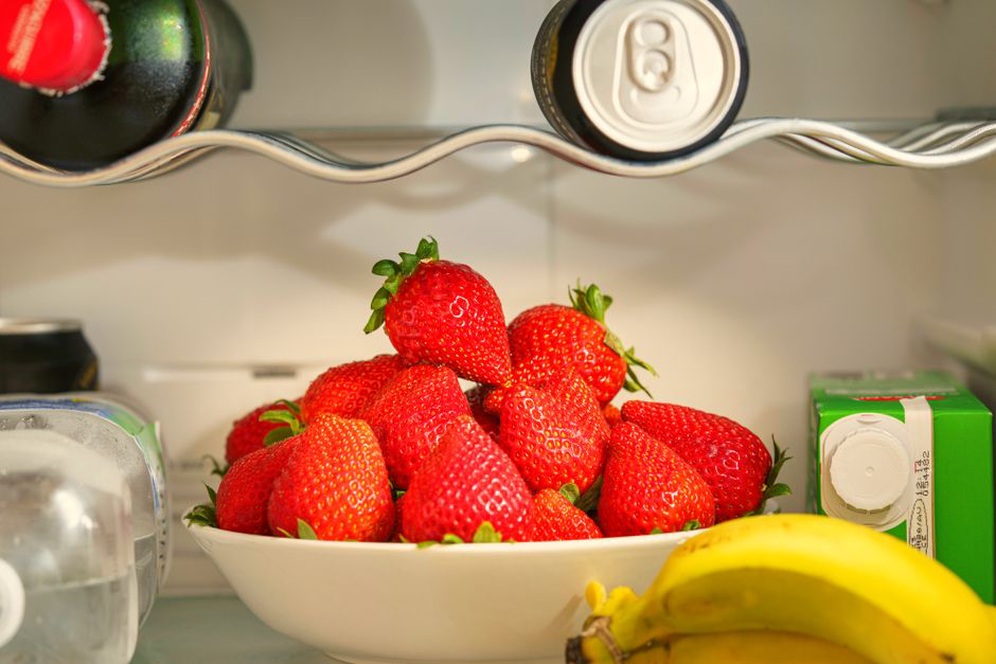
Avoid washing berries before storage unless there is a specific reason to do so. Their skins bruise easily, and leftover water can hasten mold growth. Refrigerate them in a shallow, ventilated container and rinse gently just before eating. If one berry develops mold, remove it and inspect the rest. Discard berries that are moldy, leaking or visibly deteriorating; washing cannot make spoiled fruit sound again.
Root vegetables need different treatment from dry pantry crops. Carrots, radishes and beets usually keep better refrigerated after their leafy tops are removed. The tops draw moisture from the roots; store usable tops separately and use them soon. Keep the roots in a bag or covered container that limits drying without collecting standing water. Whole onions and garlic, by contrast, need dry conditions and airflow. Sealed plastic can trap moisture and encourage soft spots and mold.
Separate produce that ripens quickly from sensitive neighbors
Some fruits release ethylene, a natural gas that promotes ripening. Apples, bananas, ripe tomatoes, avocados and many stone fruits can affect nearby produce, particularly in enclosed storage. To ripen an avocado on the counter, you can put it in a paper bag with a banana to concentrate ethylene. Check it daily; the same setup can quickly take it past ripe.
Unwanted ethylene exposure can shorten the useful life of sensitive vegetables, including broccoli and leafy greens. Store ripening fruit separately where practical. Different drawers or a counter spot away from greens may be enough; moving ripe fruit to the front for immediate use also helps. Do not leave a paper bag of ripening fruit unchecked for a week.
Let fruit ripen, then slow it down
Unripe peaches, plums and avocados generally soften best at room temperature. Once ripe, refrigerate them if you will not eat them immediately. Cold slows further ripening, but it cannot restore fruit that has turned mealy or begun to decay. Tomatoes involve a trade-off: room temperature favors ripening and flavor, while refrigeration can give ripe tomatoes more time before they spoil. Let chilled tomatoes warm before serving for better eating quality.
Pack produce for visibility and gentle handling
Storage works only if you can see what needs attention. Keep older produce in view, and do not pack opaque containers so tightly that the bottom layer is forgotten. Shallow containers spare berries and other delicate fruit the weight of a deep pile. Pack greens loosely enough to spot condensation or a failing leaf.
Check produce when unpacking groceries and again when planning meals. Look sooner if you notice an off odor or a leak. Trim and use a bruised apple promptly if the remaining flesh is sound; discard a slimy bag of greens. Remove decaying items from shared storage so leaked juices do not soil nearby food. If a shelf or drawer gets soiled, clean and dry it before returning the produce.
Contain raw meat, poultry and seafood so their juices cannot drip onto produce, especially items eaten raw. Wash hands, utensils and preparation surfaces after handling raw animal foods. Rinse whole fruits and vegetables under running water before eating or cutting them; soap and household cleaners are not meant for produce. Scrub firm-skinned items such as melons before cutting so the knife does not carry contamination from the rind into the flesh.
Use preservation when refrigeration will not be enough
Freezing is often better than trying to gain a few more days from produce near peak ripeness. Wash, sort and dry fruit, freeze it in a single layer, then transfer the frozen pieces to a suitable container or bag. Blanching many vegetables before freezing helps preserve color, texture and flavor. Methods and times vary by vegetable, so follow established food-preservation instructions rather than guessing. Freezing preserves usable produce; it does not make spoiled food safe.
Some losses can be prevented at the shop. Buy berries and greens close to when you will use them, especially if refrigerator space is limited. Check packages for crushed fruit, pooled liquid or widespread yellowing. Carry delicate produce above heavy groceries, and refrigerate perishables after shopping rather than leaving them in a warm bag. For a large purchase spread over several meals, choose some fruit ready to eat and some firm enough to ripen later.
Use damaged or fully ripe produce first, then berries and tender greens. Sound carrots, cabbage and dry pantry crops can wait longer. If a punnet of strawberries contains a crushed, leaking berry, remove it while unpacking, inspect the rest, and put the sound berries in a shallow container near the front of the refrigerator for the next meal.