
A noise barrier may do little for nearby buildings if the dominant sound travels over its top, through a gap or around its ends. The first task is to establish where the sound originates, how it reaches each affected receiver and which path a proposed treatment would interrupt. Otherwise, a costly structure can leave the main problem untouched.
Diagnose the source before selecting a solution
Road noise combines tire–pavement interaction with propulsion, exhaust and aerodynamic sound, and the balance changes with speed and vehicle mix. On rail corridors, wheel–rail contact, curves, braking or bridge vibration may dominate at different locations. A measure aimed at continuous rolling noise, for instance, may have little effect on intermittent curve squeal.
Baseline surveys should record relevant sound metrics at affected receivers alongside traffic conditions, weather and operating patterns. A short measurement can identify a problem without representing a typical day or night. Calibrated acoustic models can then test candidate measures, but their assumptions about ground absorption, building geometry and source heights need to match the site. Frequency data also matter: a treatment that reduces higher-frequency sound may leave low-frequency vibration or propulsion noise largely unchanged.
Check noise maps against what is on the ground. A gap beside a retaining wall, an exposed elevated deck or a reflective facade can produce a local hotspot hidden by a corridor-wide average.
Quieter surfaces: treating noise where it forms
Low-noise road surfacings
Surface texture influences how tread blocks meet the pavement and how air is compressed and released around them. Carefully designed asphalt textures and porous surfacings can reduce tire–pavement noise under suitable conditions. The benefit depends on speed, vehicle mix, surface age, moisture and maintenance; it is not a fixed property of the material.
Porous layers bring trade-offs. Clogged voids can diminish acoustic performance, while raveling, winter maintenance and drainage arrangements can affect service life. Acoustic testing therefore needs to sit alongside checks of skid resistance, structural performance and maintainability. Measuring the surface both when new and after trafficking tells more than an initial product rating alone. In pavement rehabilitation, the choice of acoustic layer must also follow the structural investigation rather than be treated as a separate finishing decision.

Rail contact and track support
On railways, reducing roughness at the wheel–rail contact can tackle noise at its source. Rail grinding may help where the rail profile and operating conditions support it; friction management can target curve squeal. Resilient fastenings, rail dampers and track forms designed to control vibration transmission may also help at sensitive sites. They need compatibility checks, though: altered support stiffness can change track behavior, maintenance access and vibration at other frequencies. A quieter track treatment will not necessarily resolve ground-borne noise inside buildings.
Barriers, absorbers and more adaptable geometry
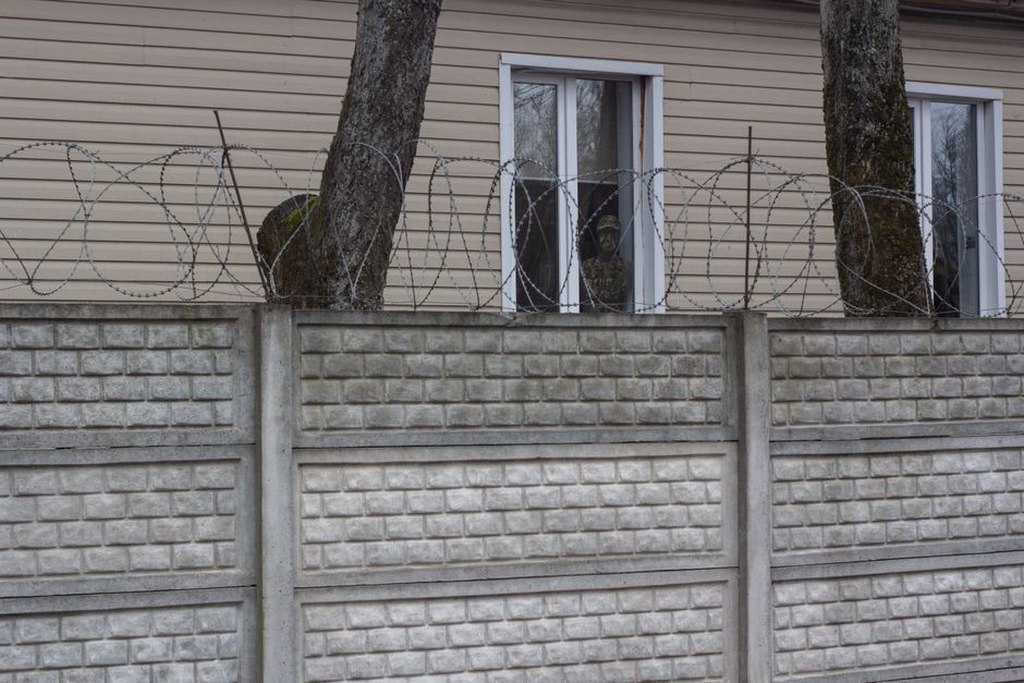
Solid barriers work mainly by breaking the direct sound path. Line of sight, continuity, receiver height and the length of the protected section all affect the result. Sound-absorbing faces can limit reflections toward the opposite side of a corridor, while shaped barrier tops aim to improve shielding without simply adding height. A top treatment should be assessed against the site's frequencies and geometry, not judged by its shape alone.
Transparent panels can retain daylight or sightlines, but cleaning, weathering, impact resistance and safe replacement need consideration. On viaducts, barrier mass and wind load raise structural questions as well. Connections, deck edges and drainage details must accommodate the installation without introducing durability problems. If noise works coincide with structural works, first establish the condition of the existing structure; methods for assessing the structural health of elevated roads provide useful context.
Absorptive linings may help in underpasses, cuttings and stations, where hard surfaces create multiple reflections. Their acoustic benefit has to be weighed against fire performance, water exposure, cleaning and inspection. In a constrained corridor, a modest barrier combined with absorptive treatment may be more practical than a very tall wall. Prediction and field validation are still needed to establish the gain.
Operations and site measures with clear limits
Operational changes can reduce exposure without major reconstruction. Speed management may lower rolling and aerodynamic noise, depending on the prevailing source mix and whether vehicles move steadily instead of repeatedly accelerating. Scheduling noisy maintenance and managing rail curve lubrication are other site-specific options. Each proposal needs to be checked against capacity, safety and operational reliability: shifting a noise event in time could place it in a more sensitive period.
Earth berms can provide substantial shielding where land and suitable ground are available. Beside embankments or buried services, they call for geotechnical assessment of stability, settlement and drainage. Vegetation can improve the setting and support habitat, but a narrow planting strip should not be assigned the attenuation of a solid barrier. If noise reduction is the goal, a green wall needs acoustically effective construction behind the planting.
Make performance measurable over the service life
An intervention needs to work after installation and through maintenance, not just in a design estimate. Before construction, define receiver locations, operating conditions, baseline measurements and acceptance criteria. Post-installation measurements should use comparable traffic and weather conditions; otherwise a quieter survey period may look like a successful treatment. Where feasible, an untreated reference section or measurements close to the source can help distinguish infrastructure changes from changes in traffic.
- For surfaces: track acoustic performance alongside texture, drainage condition, friction and visible deterioration.
- For barriers: inspect panel joints, end gaps, foundations, fixings and damage that opens a sound path.
- For track treatments: relate noise readings to rail condition, lubrication status and maintenance records.
A monitoring trigger should prompt a defined inspection, not just another dashboard alert. If a previously quiet curve develops a repeatable tonal sound, confirm the operating conditions and inspect the wheel–rail contact area before reconsidering the barrier. The investigation should follow the source that changed.