On a two-day bridge inspection, a spare pair of dry socks may be more useful than a third change of clothes. Wet ground, wind and a long shift away from shelter determine what belongs in the bag. Make the packing list around the work schedule and site conditions, not the space available.
Separate essential equipment from personal luggage
Before packing, confirm what the employer or site operator supplies. Required protective equipment, calibrated instruments and approved access gear must be handled under project procedures, not treated as ordinary travel items. Check how instruments, batteries and samples are to be stored and transported. A personal bag is no substitute for a protective case or a custody record.
For a short assignment, sort personal items by when you will need them: during transit, on site or after work. Keep identification, travel documents, medication and a charged phone within reach. Pack site clothing so you can get to it without emptying the bag; evening clothes can sit at the bottom.
Pack for the forecast and the consequence of getting wet
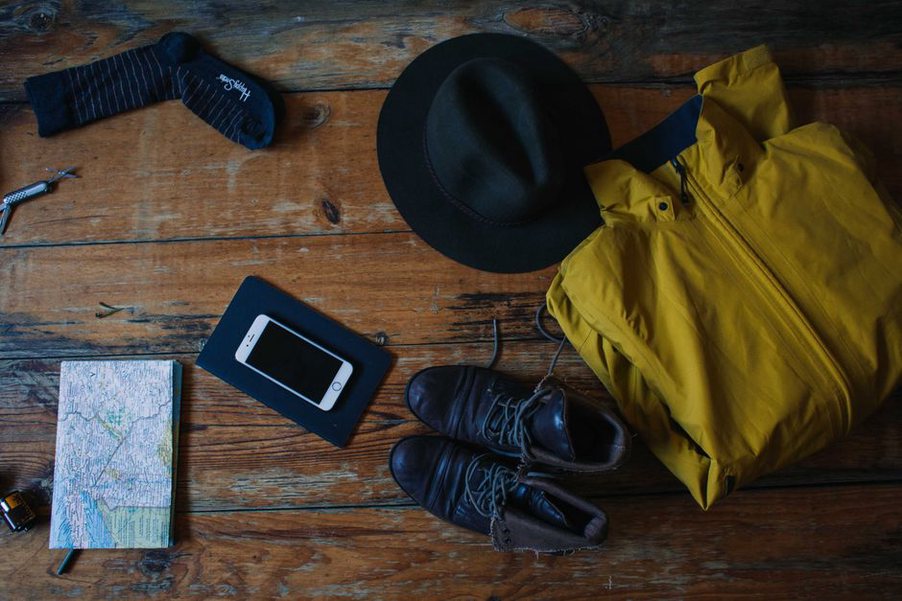
Check the forecast shortly before departure, but think about conditions at the work location. A shaded cutting, exposed bridge deck or tunnel entrance may feel quite different from the nearby town. Time outdoors matters too: a walk to a meeting calls for different layers than several hours of inspection.
- Base layer: Choose clothing that stays comfortable during the expected work and can be worn again if it remains clean and dry.
- Outer layer: Bring rain and wind protection if exposure is plausible, even when the forecast is uncertain.
- Footwear and socks: Follow site footwear requirements. Take a dry change of socks if wet ground or prolonged outdoor work is likely.
- Off-duty clothing: Pack one outfit that works for the planned evening rather than separate clothes for every possible meal or meeting.
Save space by leaving out duplicate casual clothes and items with no clear purpose, not by omitting required protective equipment. If changing weather makes the work unsafe, extra layers do not replace the site's stop-work and reassessment procedures.
Use a short itinerary to set quantities
List each part of the trip: outward travel, fieldwork, the overnight stay, any second work period and the return. Assign clothes to those periods before adding backups. After dusty work, a clean top for the return trip may be useful; another pair of trousers may not be, unless rain or contamination is likely. Check whether the accommodation provides towels and somewhere to dry wet clothing.
A practical two-day check
- Confirm site access requirements and what equipment the project supplies.
- Check the forecast, expected exposure and whether the work involves mud, spray or dust.
- Lay out travel clothes, required work clothing and only the changes those conditions justify.
- Add medication, basic toiletries, chargers and documents.
- Remove anything packed solely for an unlikely, unspecified change of plan.
Take only the toiletries needed for the stay, in containers that close securely. Keep liquids separate from documents and electronics. If flying, check current carrier and airport rules rather than relying on a limit you remember from an earlier trip.
Protect information without carrying the whole office
A short site visit can produce notes, photographs and inspection records. Bring the approved means of recording them, but leave behind printed drawing sets or extra devices that have no planned use. Where connectivity is unreliable, confirm which documents must be available offline and follow the organisation's approved storage and access arrangements. A small notebook is useful in the field, but pages containing identifiable asset information must be handled as project records.
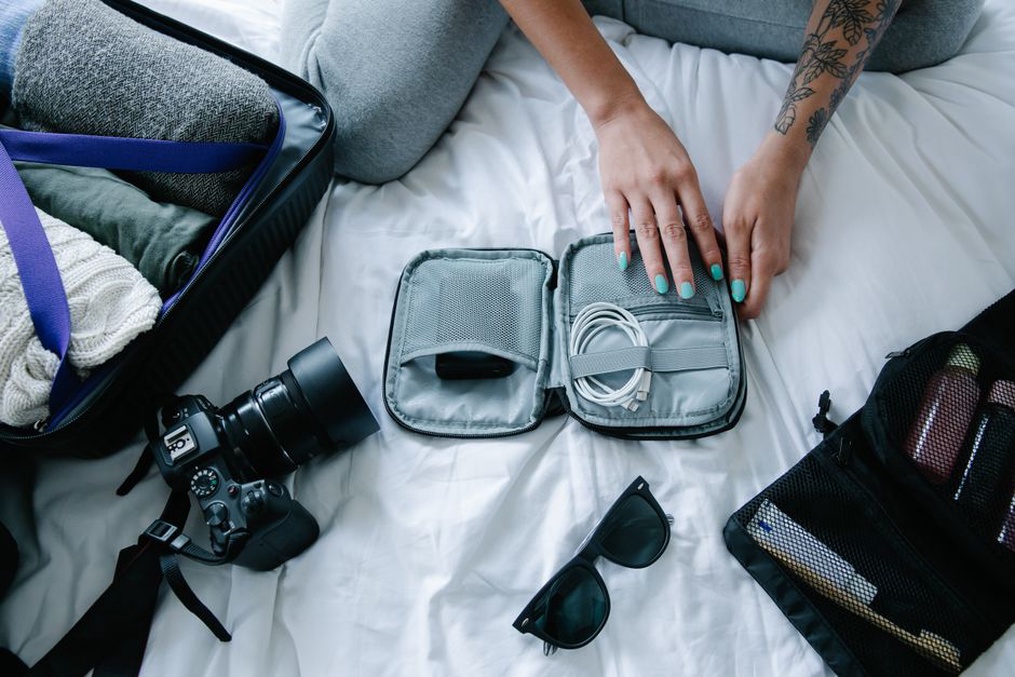
Charge devices before leaving and pack only the cables and power supplies for the equipment you are taking. Check applicable transport restrictions for batteries and power banks. Keep chargers in a dedicated pouch or label them so none are left beside the bed at checkout.
Leave room for the return journey
Keep clean clothes apart from muddy or wet items. An empty reusable bag can separate soiled clothing temporarily, but take out and dry anything damp promptly on arrival. If the visit could involve samples, confirm their approved packaging and transport process beforehand. Empty space in a personal bag is not a sample-handling plan.
Before leaving home, lift the packed bag and walk with it for a moment. If carrying it alongside required work equipment is awkward, remove an optional item rather than shifting weight into your pockets. Put the next morning's socks, work layer and access documents together where you can reach them without searching through the bag before an early departure.