
A loose charging cable, an unsecured window screen, or another pet’s food bowl can cause trouble within minutes of a new animal arriving. Prepare one controlled space first, then inspect the rest of the home from the animal’s likely height. A puppy may chew what it can reach; a cat may climb onto shelves; a rabbit may investigate baseboards and electrical cords. What needs securing depends on the species and the individual pet, not just the size of the room.
Match the space to the pet before buying supplies
Find out what the animal needs for sleeping, eating, toileting, movement, and social contact. Ask the shelter, breeder, rescue organization, or current caretaker what food the pet eats, what routine it knows, and whether it has shown signs of fear, chewing, climbing, or escape attempts. If the animal has a medical condition or limited mobility, ask a veterinarian about its environment rather than assuming a standard setup will work.
Choose a quiet starting area that is easy to clean, with a door or another reliable way to limit access. It needs ventilation and enough room to keep essential resources apart. For example, separate a cat’s litter box from its food and water where space allows, and place a dog’s resting area away from household traffic. Small mammals and birds need species-appropriate enclosures; a room made safe for a cat or dog is not a substitute.
Decide which areas will stay off-limits and make sure everyone in the household agrees. A closed door is usually more dependable than expecting a new pet to understand a verbal rule. If you use a gate, check its fit, stability, and openings against the animal’s size. A barrier that stops an adult dog may not stop a puppy or a climbing cat.
Inspect hazards at floor level and above it
Walk through each accessible room, checking under furniture, behind appliances, and along edges where small objects collect. Then look up at shelves, windows, and surfaces the pet might reach by jumping. Do this before leaving the animal alone in the space; it may start exploring sooner than you expect.
- Electrical and choking hazards: Secure accessible cords. Put away batteries, hair ties, string, rubber bands, small toys, and packaging scraps. Do not leave a pet alone with a toy it can pull apart or swallow.
- Chemicals and medicines: Store cleaners, pesticides, medications, nicotine products, and similar items behind closed doors. A high shelf may not deter a climber.
- Food and plants: Keep human food and waste inaccessible. Some foods and houseplants are toxic to particular species; ask a veterinarian about anything you are unsure of before allowing access.
- Falls and entrapment: Check balconies, stairs, open windows, recliners, folding furniture, and gaps behind appliances. A window screen that keeps insects out may not be strong enough to contain a pet.
- Heat and water: Restrict access to hot stoves, heaters, fireplaces, open toilet lids when relevant, and buckets or tubs of water that could endanger a small animal.
Test cabinets and bins rather than assuming they are secure. A lid that swings open under a paw or a cupboard that does not latch offers little protection. Keep sewing supplies, craft materials, and laundry products behind doors that close properly. Before starting a washing machine, dryer, or dishwasher, check inside if a small animal could get in.

Set up the essentials before arrival
Food, water, and a predictable feeding place
Have the pet’s current food ready for its first days at home. If you plan to change it, ask a veterinarian how to make the transition; abrupt changes can upset some animals. Use stable, washable bowls or species-appropriate feeders. Put fresh water within easy reach and make sure other animals cannot block access. In a larger home or one shared by several pets, more than one water location may help.
Store food in its original packaging, or keep the label and batch information if you transfer it to a sealed container. Those details matter if the food is recalled or a veterinarian asks about the diet. Keep treats and food waste out of reach, including when visitors come over.
Resting, toileting, and enrichment
Choose bedding that suits the animal and can be cleaned. A new pet may prefer a sheltered spot away from noise to the center of household activity. An appropriately sized crate, carrier, or enclosure can serve as a resting place if it is introduced without using confinement as punishment.
Set up the right toilet arrangement before the pet arrives: an accessible litter box for a cat, a planned outdoor route for a dog, or the setup recommended for another species. Keep cleaning materials handy for accidents. An enzymatic cleaner made for pet messes can help remove odor from suitable surfaces; follow the label and test delicate materials first. Having the equipment in place does not mean the animal will immediately know where to toilet.
Start with a few suitable toys or enrichment items and watch how the pet uses them before adding more. Check their size and construction: a toy that works for a large adult dog may be unsuitable for a small puppy, while loose string can be hazardous for a cat. Scratching surfaces, chew items, hiding places, and chances to forage should fit the species and the individual animal.
Plan a low-stress arrival
Take the pet straight to its prepared area and let it investigate. Keep handling, noise, and introductions to a minimum at first, especially if it seems frightened. Leave the carrier available if the animal chooses to retreat into it. Introduce other rooms gradually once it is eating, toileting, and settling in its starting space.
Agree in advance who will handle feeding, walking, cleaning, and supervision. Tell children to leave a resting or hiding animal undisturbed and to ask an adult before offering food or picking it up. Even a friendly pet may react defensively when startled, so give it a way to move away from interaction.
If other pets live in the home, prepare separate resources and controlled spaces. An immediate face-to-face meeting is not a reliable test of how they will get along. Ask the organization providing the new pet or a qualified behavior professional for an introduction plan suited to the animals involved. Watch for tension around doors, food, beds, and litter areas; preventing competition is easier than breaking up a confrontation.
Prepare for care outside the home
Arrange a veterinary appointment on a timetable appropriate to the pet’s age, health, and adoption history. Gather any vaccination, treatment, and identification records so the veterinarian can assess what is needed. Find the location and contact details of an emergency veterinary service before you need one.
Check identification before the first outing or any opportunity to escape. For pets that can wear one safely, a properly fitted collar with current contact information may help someone reunite you. If the animal has a microchip, verify that its registration details are current. Neither measure replaces secure doors, windows, enclosures, and supervised movement between indoors and outdoors.
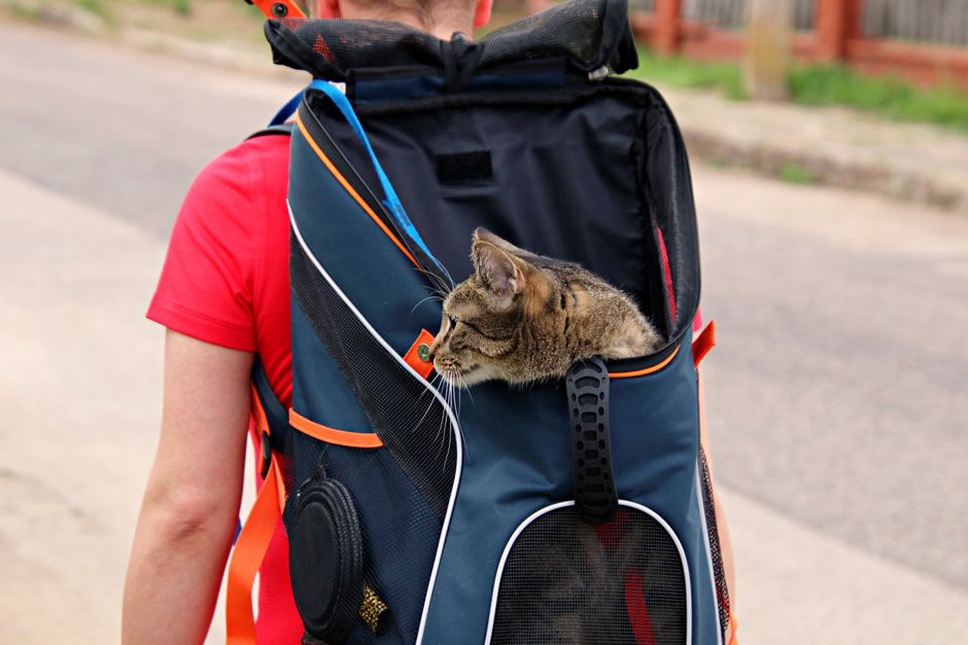
Work out how you will move the pet safely. A secure carrier suits many small animals; dogs may need a fitted harness or collar and a leash appropriate to their size and behavior. Introduce the equipment calmly indoors rather than waiting until an appointment. For species sensitive to temperature or handling, ask a veterinarian or experienced caretaker about transport conditions.
Test the setup after the pet moves in
Treat the first few days as a chance to test your setup. Can the pet reach water, use its toilet area, rest without interruption, and move around without slipping or getting trapped? Look for fresh chew marks, displaced objects, attempts to climb barriers, or reluctance to enter a particular space. Change the environment where needed instead of treating every problem as disobedience.
Keep a simple note of eating, drinking, toileting, sleep, and unusual behavior, particularly for a young, elderly, or medically vulnerable animal. A short record helps you describe concerns accurately to a veterinarian. Seek veterinary advice promptly if the pet seems ill, is not eating as expected, has difficulty breathing, or shows other concerning changes; urgency depends on the species and circumstances.
Before leaving the pet unsupervised for the first time, check the accessible area again. Close the medicine cabinet, remove any loose toy filling, refill the water bowl, and test the door or gate from both sides. Hazards can appear during the day, even in a room you checked earlier.