
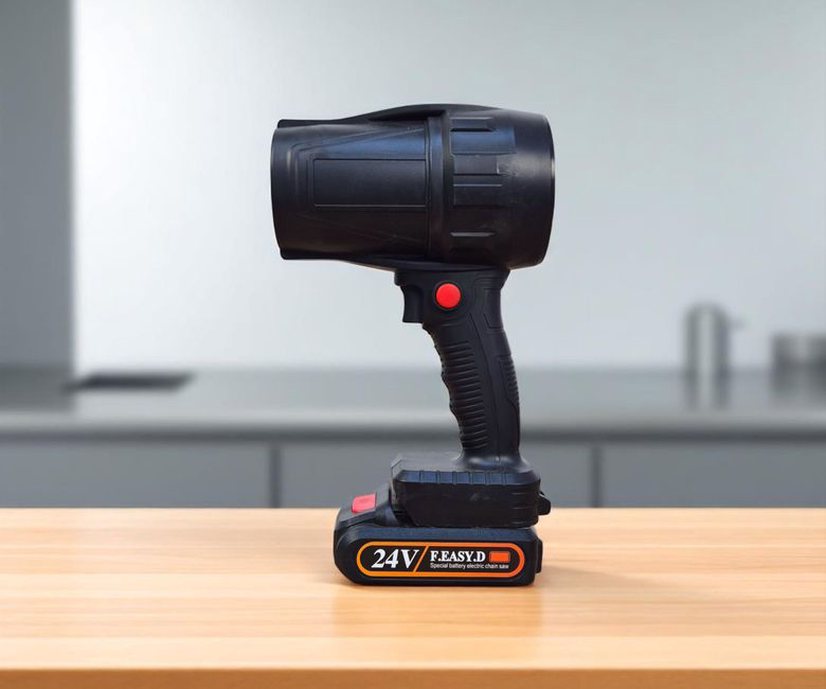
A closed refrigerator can usually keep food cold for about four hours during a power outage. Every time you open the door, you eat into that margin. Before an outage, decide what you would need from the fridge, put flashlights where you can find them, and know how to check whether the power loss is limited to your home. Those small decisions are much easier with the lights on.
Plan around the services you would lose
List the things in your home that need electricity. Lights and phone chargers are obvious; a well pump, electrically controlled heating, garage door opener, building entry system, or internet-dependent landline may be less so. In an apartment, lifts and shared hallway lights may go out even if your own electricity needs are limited.
Separate inconvenience from immediate risk. If someone uses electrically powered medical equipment or needs temperature-sensitive medication, a flashlight and power bank are not enough. Ask the equipment provider or clinician about backup power, storage requirements, and an alternative location. Know how to reach local emergency services if a device fails and the person’s health is at risk.
Keep the plan usable. For a brief outage, focus on safe lighting, communication, drinking water if the supply could stop, a safe indoor temperature, and a way to judge whether food is still safe. A complicated inventory is not necessary.
Put a small outage kit where it can be reached in the dark
- Light: Keep a flashlight or battery lantern in a consistent, accessible spot, with spare batteries if needed. A second light near a bedroom helps when the power fails overnight.
- Communication: Store a charged power bank with the cable that fits your phone. A battery-powered or hand-crank radio can provide updates if mobile service or internet access is unreliable.
- Basic supplies: Set aside drinking water, shelf-stable food that needs no cooking, and a manual can opener if you need one.
- Information: Keep essential phone numbers and medication details offline. A printed card still works when your phone does not.
- Personal needs: Include required medication, infant supplies, and anything else that cannot wait until shops reopen.
Choose lights you can use without hunting for a switch or batteries. Test them periodically, including whether rechargeable lights still hold a charge. Candles bring an avoidable fire risk, especially when people or pets move through dark rooms. Use battery lighting first.
Prepare water and food without overstocking
Municipal tap water often keeps flowing during a local power cut, but pumps may be needed to maintain pressure. A private well usually needs electricity. Ask your water provider or building manager what interruptions to expect rather than assuming the water will stay on—or stop. If your supply is vulnerable, store drinking water in clean, food-safe containers. Follow any notice that says the water is unsafe; a power outage alone does not mean tap water is contaminated.
Keep some food you can eat cold without refrigeration. Even a short outage can rule out cooking if your stove and microwave are electric. Check labels for storage instructions after opening: some cupboard foods need refrigeration once opened.
Protect refrigerated and frozen food
Open refrigerator and freezer doors as little as possible. An unopened refrigerator generally keeps food cold for about four hours. A full freezer may hold its temperature for roughly 48 hours, compared with about 24 hours for a half-full one. These are planning estimates, not guarantees; starting temperature, insulation, room temperature, and door openings all affect the result.
An appliance thermometer tells you more than touching the food. When power returns, check temperatures and follow current food-safety guidance for anything that may have warmed. Perishable refrigerated food held above 40°F (4°C) for more than two hours generally needs to be discarded. Frozen food may still be safe to refreeze or cook if it has ice crystals or measures 40°F (4°C) or below. Do not taste food to test it, or rely on smell alone.
If an outage is expected, take out what you will need soon in one visit rather than returning to the fridge throughout the interruption. Frozen water containers prepared ahead of time can help fill empty freezer space; leave room in each container for the water to expand.
Know what to do when the power stops
Check whether the problem affects one circuit, your whole home, or the wider area. If it is safe, look at the breaker panel and see whether nearby buildings have lights. A tripped breaker may indicate an overloaded or faulty circuit. If it trips again, leave it off and seek qualified help instead of repeatedly resetting it. Keep clear of sparking, damaged wiring, water near electrical equipment, or a burning smell, and contact the appropriate emergency or utility service.
Report a wider outage through your electricity provider’s established channels and check for status updates. Do not assume someone else has reported it. When mobile service is congested, keep calls brief; a text may get through when a call does not. If your phone is your main source of updates, lower its screen brightness and close unnecessary apps.
Unplug sensitive electronics where you can do so safely, particularly equipment you would not want restarting unattended. Leave one lamp switched on so you can tell when power returns. There is no reason to unplug every appliance in a dark home: deal with accessible devices, and do not move furniture or reach behind equipment you cannot see.
Manage temperature and ventilation safely
In cold weather, close off unused rooms and use layers and blankets rather than improvising a heat source. In hot weather, close blinds on sun-exposed windows and move to a cooler part of the home if possible. Watch for heat- or cold-related illness, especially in infants, older adults, and people with relevant health conditions. If the building becomes unsafe to occupy, go somewhere safer; extra supplies will not fix the temperature.
Never use a generator, charcoal grill, camping stove, or other fuel-burning device inside a home, garage, basement, or enclosed porch. Carbon monoxide can build up without a noticeable smell. Run portable generators outdoors, well away from doors, windows, and vents, following the manufacturer’s instructions and local requirements. Never connect a generator to household wiring through an ordinary outlet: it can unexpectedly energize lines and endanger workers and neighbors. Connection to home circuits requires properly installed equipment and qualified advice.
Keep carbon monoxide alarms working, including backup batteries where fitted. Do not use a gas stove for space heating. If you leave because of temperature or medical needs, take essential medication, keys, and a charged phone, and tell someone where you are going.
Make the plan work for the people in the home
Walk the route from each bedroom to an exit and the outage kit. Clear clutter that could cause a fall in low light, and make sure everyone knows where the flashlight lives. In a multi-unit building, find out whether the stairs have emergency lighting and how to leave without a lift. Do not enter a lift during a known power interruption.
Check on anyone who may struggle to get updates or move through a dark building. Agree on a simple contact method beforehand, such as a text or a knock at the door. Pets may also depend on medication, heat, or filtration equipment; account for those needs in the same plan.
Review the kit when you change phones, change medication, or move. The cable for an old phone will not help during an outage. Recharge the power bank after using it and return it to the kit. A paper label with the charging date can make a missed check obvious.
When electricity returns
Check that power is stable before restarting equipment you unplugged. Read refrigerator and freezer thermometers before opening the doors for a full inspection. Reset clocks, then confirm that heating, cooling, pumps, and alarms have resumed normal operation. If a circuit remains off or an appliance behaves unusually, do not force it back into service.
Restock what you used while the details are fresh. If a flashlight failed, replace its batteries and test it before putting it away. Return it to its designated spot—not the nearest drawer—so it is there when the lights go out again.