Understanding Urban Transport Resilience
Urban transport networks are essential for the functioning of modern cities, enabling the movement of people and goods efficiently. However, these systems are increasingly challenged by environmental changes, growing populations, and aging infrastructure. Resilience in this context means the ability of transport systems to endure, adjust to, and recover from various disruptions, such as natural disasters, climate change, and human-caused incidents.
Key Elements of Resilient Transport Networks
- Redundancy: Having multiple routes and modes of transport ensures that if one part fails, others can compensate, reducing disruptions.
- Robustness: Designing with strong principles and using durable materials helps withstand extreme conditions.
- Flexibility: Adapting to changing demands and conditions, like rerouting traffic or adjusting service frequencies, is crucial.
- Rapid Recovery: Quick response strategies and technologies are essential for swiftly restoring services after a disruption.
Geotechnical Considerations
Geotechnical engineering is vital for the resilience of transport infrastructure. Ensuring stable foundations for roads and railways is crucial, especially in disaster-prone areas. An article on Innovations in Geotechnical Engineering: Enhancing Transport Infrastructure discusses how progress in this field is key to building resilient networks.
Effective geotechnical strategies include detailed soil analysis, using technology to monitor ground conditions, and implementing measures to prevent risks like landslides or soil liquefaction. Engineers must also address the impact of groundwater on infrastructure, employing techniques such as drainage systems and ground reinforcement.
Bridge and Tunnel Engineering
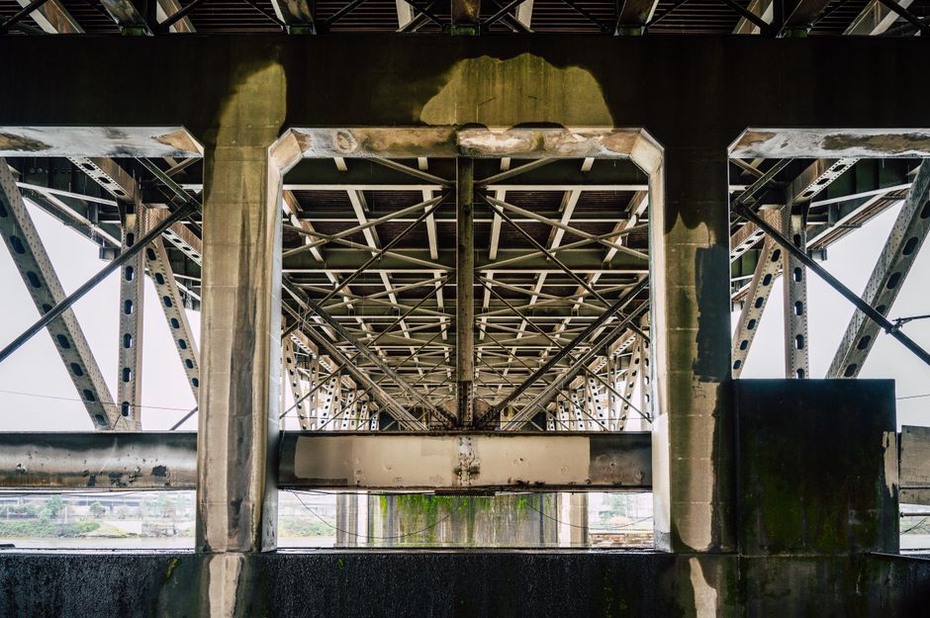
Bridges and tunnels are crucial parts of urban transport networks, often serving as chokepoints. Their resilience is essential for maintaining continuous connectivity. Bridge engineering should involve thorough risk assessment and management strategies, as explored in Understanding Risks in Bridge Engineering.
Tunnels require careful consideration of geological conditions and ventilation systems to manage potential hazards like fires or flooding. Modern tunnel design often uses advanced materials and technologies to enhance safety and resilience.
Material Reliability and Innovations
The choice and application of materials greatly affect the resilience of transport infrastructure. High-quality, durable materials can extend the lifespan of structures and lower maintenance needs. For example, using fiber-reinforced composites and high-performance concrete can provide better durability against environmental wear.
Innovations in material science are crucial for developing resilient urban transport networks. The Role of Material Reliability in Transport Engineering highlights how new materials and construction techniques contribute to the longevity and resilience of transport systems.
Monitoring and Adaptive Management
Continuous monitoring and adaptive management are key to maintaining resilience in urban transport networks. Real-time data collection through sensors and IoT devices allows for the quick identification of issues such as structural weaknesses or traffic congestion. This data-driven approach supports proactive maintenance and informed decision-making.
Adaptive management strategies include modifying traffic flows, optimizing public transport schedules, and efficiently deploying emergency response teams. These strategies require collaboration among various stakeholders, including government agencies, transport operators, and the public.
Conclusion
Creating resilient urban transport networks requires a multifaceted strategy that combines strong engineering practices, innovative materials, and adaptive management strategies. By focusing on these aspects, cities can improve their transport systems' ability to withstand and recover from disruptions, providing sustainable and reliable mobility for all users.