
Understanding Road Foundation Materials
Choosing the right materials for road foundations is vital for building long-lasting transportation infrastructure. These materials need to endure various weather conditions and traffic loads, effectively supporting the road surface. The subbase and base layers of a road are essential for spreading out traffic loads and preventing the road from deforming.
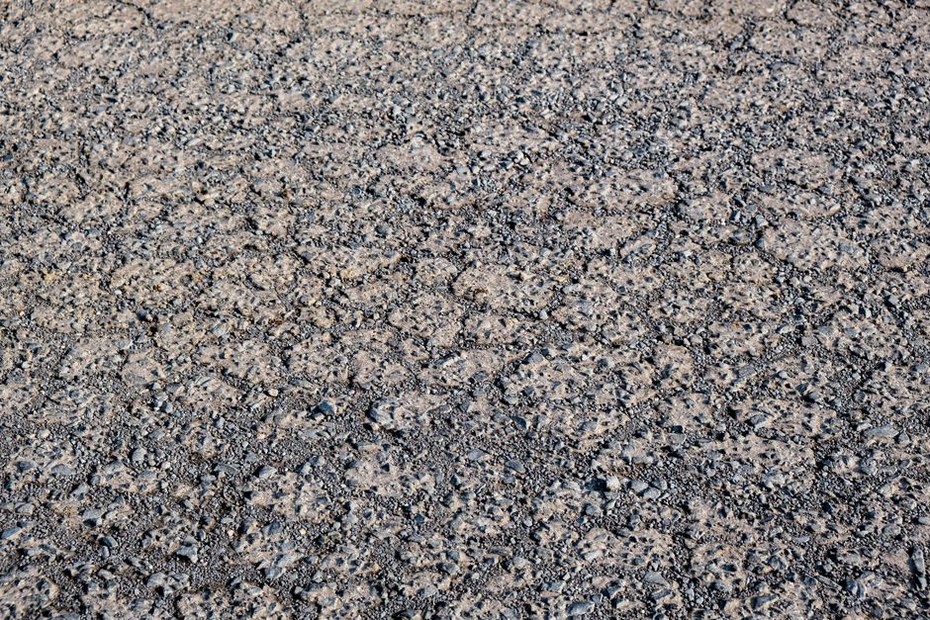
Key Materials Used in Road Foundations
Different materials are used in road foundations, each contributing to the stability and longevity of the structure in its own way.
- Crushed Stone: This material is excellent for distributing loads and is commonly used as a base. It provides a stable foundation and resists weathering and erosion effectively.
- Sand: Known for its drainage abilities, sand helps prevent water buildup, which can cause structural damage over time.
- Gravel: Gravel is valued for its ability to compact well, creating a solid and stable foundation that minimizes the risk of subsidence.
- Recycled Materials: Increasingly, recycled materials like crushed concrete are being used. They are environmentally friendly and cost-effective while still performing well.
Factors Influencing Durability
Several factors affect the durability of road foundation materials, including their ability to handle loads, environmental conditions, and their composition. Understanding these factors helps maximize the performance and lifespan of road infrastructure.
Load Capacity
Road foundations need to handle both the dynamic and static loads from traffic. Selecting materials with sufficient load-bearing capacity is crucial to prevent surface deformation and cracking. Engineers often conduct thorough assessments and simulations to predict how materials will respond to loads, optimizing their selection accordingly.
Environmental Conditions
Temperature changes, precipitation, and freeze-thaw cycles can significantly affect the durability of road foundations. Materials should be chosen with these climate-specific challenges in mind to reduce maintenance costs and extend the road's lifespan.

Performance Enhancement Techniques
Innovative techniques have been developed to boost the performance of road foundations, enhancing the resilience and functionality of the materials used.
- Geosynthetics: Using geosynthetics like geotextiles and geogrids can strengthen the road foundation. These materials help distribute loads more evenly and prevent soil erosion.
- Soil Stabilization: Methods such as lime stabilization and cement treatment improve soil properties, increasing the strength and durability of the road foundation.
- Monitoring and Diagnostics: Advanced monitoring systems can track the condition of road foundations, enabling timely maintenance and repairs. This proactive approach helps prevent major structural problems.
For more insights into the latest advancements in geotechnical engineering, which are pivotal in enhancing transport infrastructure, readers can explore Innovations in Geotechnical Engineering: Enhancing Transport Infrastructure.
Challenges and Future Directions
While current materials and techniques are effective, ongoing research and development are necessary to tackle emerging challenges. The demand for sustainable materials and environmentally friendly practices is driving innovation in road foundation engineering. Future advancements may focus on improving material properties, reducing environmental impact, and enhancing cost efficiency.
In conclusion, the choice and application of road foundation materials are pivotal to the durability and performance of transport infrastructure. By understanding the properties and challenges associated with these materials, engineers can design roads that endure over time, supporting efficient transportation.