
Salt and grit can stay packed behind a fleet vehicle’s wheel arches long after a winter site visit. A routine wash may miss the deposits, leaving them to hold moisture against exposed metal and hide early damage. Seasonal checks should address what the vehicle has just been through as well as the conditions ahead.
For vehicles used on infrastructure projects, these checks supplement the manufacturer’s maintenance schedule, required inspections and the operator’s defect-reporting process; they do not replace them. Record the date, odometer reading, findings and corrective action. Keep unresolved defects visible in the maintenance record rather than letting a completed checklist suggest they have been fixed.
Checks to make at every seasonal change
Park safely on level ground, switch off the engine and let components cool where appropriate. Check fluid levels by the procedure in the vehicle handbook: some readings depend on temperature or operating conditions. A recurring drop in coolant, oil or brake fluid needs investigation, not another top-up.
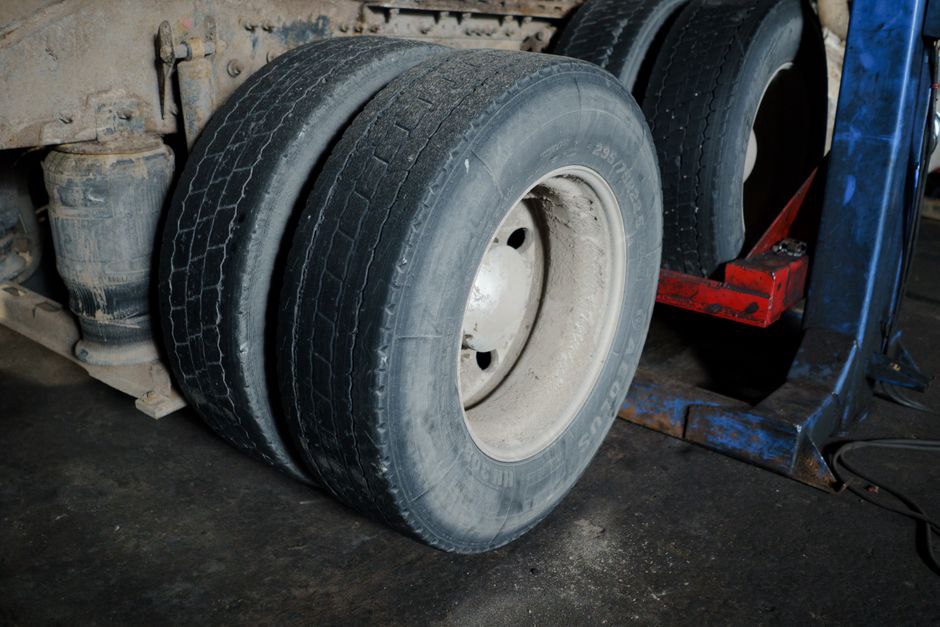
- Tires: Check pressures when cold against the vehicle placard, including the spare if fitted. Inspect tread, sidewalls and valve stems for cuts, bulges, embedded objects and uneven wear. Confirm that replacement tires meet the vehicle’s specifications.
- Visibility: Test exterior lamps, wash the glass and inspect wiper blades. Refill washer fluid suited to the expected temperature.
- Leaks and damage: Look beneath the parked vehicle for new fluid spots and note where they appear. Inspect visible underbody areas without getting beneath an unsupported vehicle.
- Equipment: Confirm that any required warning equipment is present and accessible. Secure loose tools and sampling equipment before travel.
A warning light that stays on, a change in braking, an unexpected steering pull or a tire bulge is not a housekeeping item. Arrange an inspection. Drivers should report the symptom and the conditions in which it occurred so a technician can determine the cause.
Spring: remove winter residues and assess wear
Clean before inspecting
Wash road salt and abrasive dirt from wheel arches, the lower body and accessible underbody surfaces, following the vehicle maker’s guidance. Keep high-pressure water away from vulnerable electrical connectors and damaged seals. Once the surfaces are clean and dry, check for chipped coatings, corrosion, loose trim and damage to brake or fuel-line protection. If corrosion or impact damage is suspected, washing cannot take the place of an inspection on a lift.
Ice and grit can also damage wipers. Clean the glass first, then replace blades that still streak or chatter. Check lamps and windscreens for gravel damage, especially on vehicles moving between construction sites.
Review tires and alignment symptoms
If the fleet uses winter tires, change them according to local conditions and fleet policy rather than a calendar date alone. Compare wear across each tread and between tires on the same axle. Feathering, wear concentrated on one shoulder or a new steering vibration calls for assessment. Replacing the tire without addressing the cause may lead to the same wear again.
Summer: manage heat, load and dust
Heat can reveal cooling-system and battery problems; long trips and heavy loads also put greater demands on tires. With the engine cool, inspect accessible coolant hoses for cracks, swelling or seepage, and check the coolant level by the specified method. Never open a hot pressurized cooling system. If the temperature gauge rises abnormally or a warning appears, stop somewhere safe and follow the vehicle handbook.
Measure tire pressure when cold. A higher reading after driving is normal as the tire warms; do not release air on that basis. Use the manufacturer’s pressure guidance for the actual load. Survey gear, generators and samples must be secured and kept within rated limits. Equipment left aboard for weeks can change how the vehicle rides and brakes.
Dusty access roads may shorten engine air-filter life, but inspect and replace the filter according to the vehicle’s guidance and operating conditions. Tapping or blowing a filter clean can damage some filter media. Where the manufacturer permits owner checks, keep the cabin filter and ventilation intakes clear, particularly if weak airflow affects demisting.
Autumn: prepare for reduced visibility and cold starts
Test all exterior lights, including brake and reversing lamps, and clean the lenses before dark travel becomes routine. Check the front and rear demisters and make sure washer jets reach the glass. Replace worn wipers before freezing rain arrives. Choose washer fluid with freeze protection suited to likely conditions; adding plain water to a winter mix can weaken that protection.
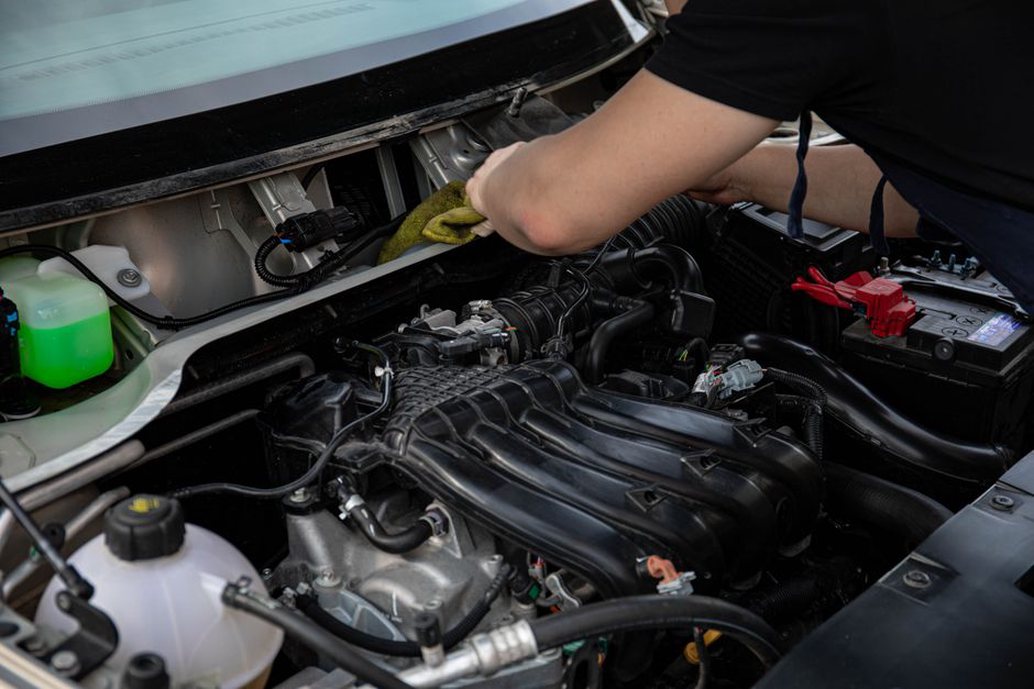
A battery that started reliably in summer may struggle as temperatures fall. Look for loose or visibly corroded terminals without touching damaged wiring. If starting has become slow, arrange a battery and charging-system check. Confirm the specified coolant mixture and check that heating and defrosting work; use the prescribed test procedure rather than judging the coolant by its color.
Plan tire changes before the first severe-weather rush. Base tire choice on expected conditions, local requirements and vehicle compatibility. If traction devices are carried, check that they fit the tires and that operators know the approved fitting procedure.
Winter: inspect more often after severe conditions
Before departure, clear snow and ice from the glass, mirrors, lamps and roof, and check that the exhaust outlet is clear. Clean cameras and sensors, but do not rely on them to detect every hazard. After driving through slush or on treated roads, make sure lamps are still visible and ice has not built up around the wheel arches.
Freeze–thaw damage, potholes and temporary site surfaces can deliver hard impacts. After a strike, check for tire or rim damage, new vibration, steering changes and fluid leaks. Do not continue on a visibly damaged tire. For essential travel in remote or exposed areas, match supplies and communication arrangements to the trip and the organization’s operating procedures.
Log new vibrations, warnings and leaks at the end of the shift, while the circumstances are fresh. “Steering vibration began after striking a pothole at the site entrance” gives maintenance staff a useful starting point; “check vehicle” does not.