Understanding Seismic Impacts on Tunnels
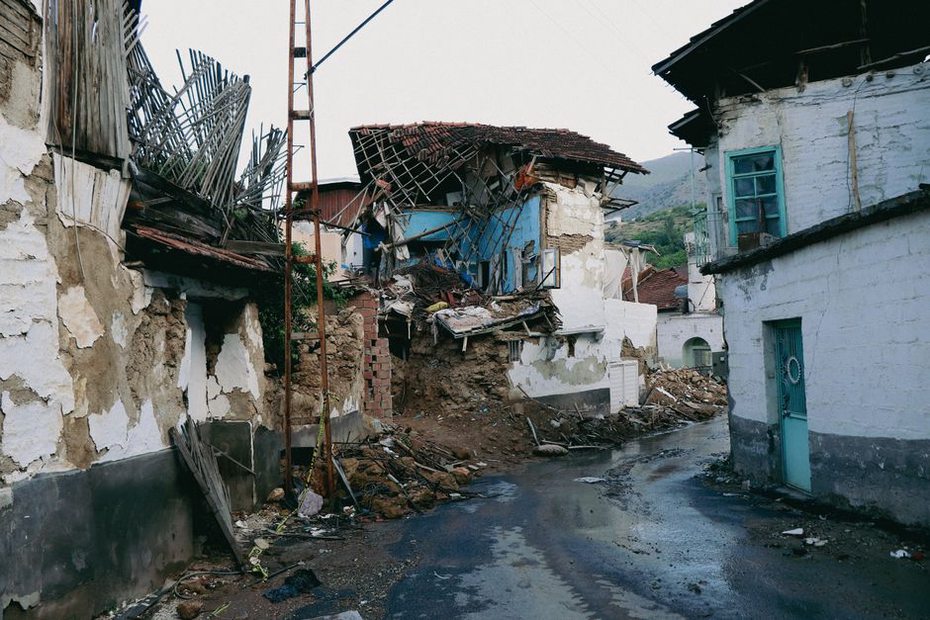
Tunnels play a vital role in transport infrastructure and must be designed to endure natural hazards like earthquakes. Despite their underground nature offering some protection, tunnels are still vulnerable to seismic waves. It's essential to comprehend how these forces interact with tunnel structures to maintain their safety and functionality during and after an earthquake.
The Role of Geological Conditions
Geological conditions are a major factor in how tunnels respond to seismic activity. The surrounding soil or rock type can either amplify or reduce seismic waves. For example, soft soils might intensify seismic motion, increasing stress on tunnel linings, while hard rock can provide stability but might also cause localized stress due to its rigidity. Therefore, conducting a detailed geological survey is crucial in the seismic design of tunnels.
Site-Specific Seismic Hazard Analysis
To evaluate seismic risk accurately, engineers carry out a site-specific seismic hazard analysis. This process involves assessing the likelihood of various seismic events and their potential impact on the tunnel site. The analysis takes into account the area's historical seismic activity, fault lines, and local soil conditions. These insights help determine the seismic load the tunnel must be designed to withstand.
Design Strategies for Seismic Resilience
Creating tunnels that can withstand seismic impacts involves several strategies to enhance their structural strength and flexibility. These include:
- Flexible Joints: Adding flexible joints in tunnel linings can accommodate ground movements during earthquakes, reducing stress concentrations and preventing damage.
- Reinforced Linings: Using reinforced concrete or steel linings can improve the tunnel's resistance to seismic forces.
- Seismic Isolation: Techniques like base isolation can separate the tunnel from ground motion, reducing the forces transmitted to the structure.
- Cross-Sectional Shape: Optimizing the tunnel's cross-sectional shape can help distribute stress more evenly, enhancing its seismic performance.
Monitoring and Maintenance
Monitoring after construction is crucial for maintaining the long-term seismic resilience of tunnels. Regular inspections and advanced geotechnical monitoring systems can detect potential issues early, allowing for timely interventions. In the article Enhancing Transport Infrastructure with Geotechnical Monitoring, we explore how these technologies are vital in maintaining tunnel integrity.
Case Studies and Lessons Learned
Examining past seismic events offers valuable insights into tunnel performance under seismic loads. The 1995 Kobe earthquake in Japan, for instance, underscored the importance of flexible joints and durable lining materials. Similarly, the 1999 İzmit earthquake in Turkey demonstrated the effectiveness of seismic isolation techniques. These case studies highlight the ongoing need for innovation and adaptation in seismic design practices.
Challenges and Future Directions
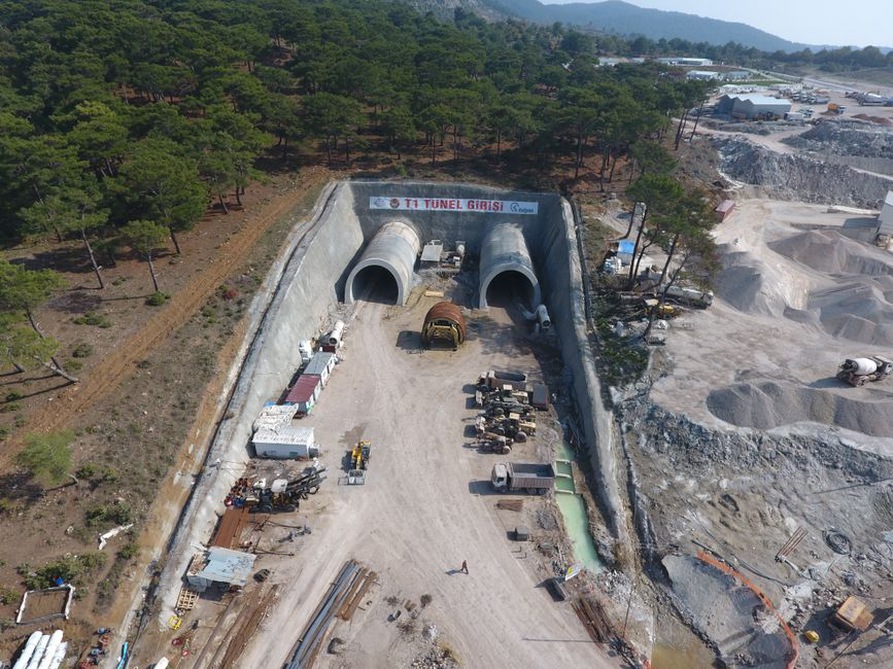
Despite significant progress in seismic design, challenges persist. Accurately modeling the interactions between the ground and tunnel structures during seismic events remains a research focus. Innovations in materials and construction techniques are being explored to enhance seismic resilience. For more on recent advancements and challenges in tunnel engineering, refer to Exploring the Challenges and Innovations in Tunnel Engineering.
In summary, the seismic design of tunnels is a complex field that requires a deep understanding of geological conditions, seismic hazard assessments, and advanced engineering techniques. By integrating these elements, engineers can improve the resilience of tunnels, maintaining their safety and functionality in the face of seismic events.