Plan Thursday’s dinner before Thursday arrives. If a late shift or site visit could leave little time to cook, give that night a meal with few steps: reheated soup, eggs with toast and vegetables, or a bowl built around pre-cooked grains. Save the chopping-heavy dish for a more predictable evening. A plan works better when it reflects the time you’ll have, not just the recipes you’d like to make.
A workable weeknight plan needs a realistic look at the schedule, a few flexible meals, and a shopping list checked against what is already at home. There’s no need to settle every ingredient days ahead. The point is to make dinner easier to decide when working hours, appetites, or grocery availability change.
Start with the week’s constraints
Mark the evenings when cooking time will be tight before choosing dishes. In a household with changing site or office schedules, note when people expect to get home, who will be eating, and whether leftovers need to travel as lunch the next day. Check which ingredients need using soon, too. Spinach nearing its use-by date should go into an earlier meal; dried lentils can wait.
Give each night a rough capacity rather than a precise cooking target:
- Full cooking night: There is time to prepare dinner and clean up afterward.
- Short cooking night: Dinner needs familiar steps and little washing-up.
- Minimal-effort night: A prepared component, leftovers, or a shelf-stable fallback does most of the work.
This avoids choosing five appealing dinners when there’s only time to cook three. Capacity is about energy as well as minutes: a dish that takes half an hour on paper may still be a poor choice after an unpredictable shift if it needs several pans and constant attention.
In many weeks, four or five dinner options with one slot left open are more practical than a different recipe assigned to every day. That open slot can take care of a delayed workday, extra leftovers, or a change in how many people are home. It also leaves room to skip a meal nobody feels like eating.
Build meals from interchangeable parts
A meal template gives you more room to adapt than a fixed recipe. Think about a main food, vegetables or fruit, something filling alongside it, and flavor or moisture. These needn’t be separate dishes. Bean-and-vegetable stew with bread covers several parts at once; a stir-fry can bring the main food and vegetables together in one pan.
Useful templates include:
- Grain bowl: Rice or another cooked grain with beans, eggs, fish, or tofu, plus vegetables and a sauce.
- Tray or pan meal: A main ingredient cooked with vegetables, served with bread, potatoes, or a grain.
- Pasta or noodles: A simple sauce, a substantial addition such as lentils or chicken, and vegetables mixed in or served alongside.
- Soup, stew, or curry: One pot that makes several servings without committing you to the same dinner every night.
- Assembly meal: Sandwiches, wraps, or a platter of ready-to-eat foods for evenings with little cooking time.
These are planning categories, not nutritional rules. Portions and food choices depend on household needs, preferences, and any relevant medical advice. For a general reference on food groups and varied eating patterns, the overview of a healthy diet is a starting point, not an individualized meal prescription.
Use overlap without serving the same meal repeatedly
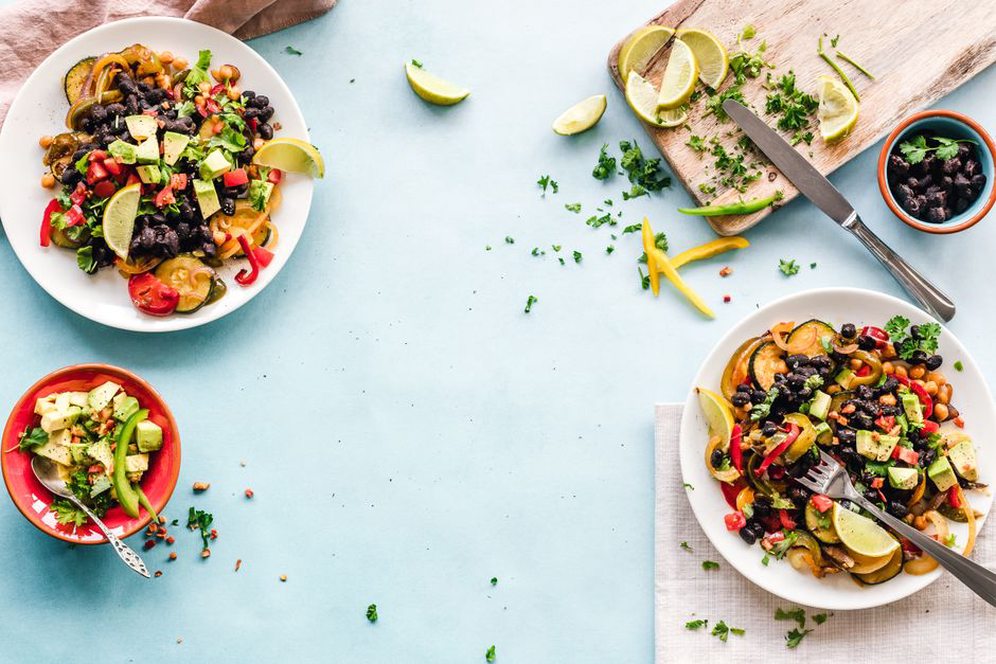
Shared ingredients can shorten the shopping list without making dinners feel repetitive. Cooked rice might accompany vegetables and eggs one night, then become the base of a bean bowl. Cabbage can go into a cooked pan meal and later add crunch to a topping. The preparation carries over, while a different main ingredient, seasoning, or texture changes the meal.
Plan that overlap before shopping. If Monday’s sauce uses half a container of yogurt, decide where the rest will go. If a recipe calls for a small amount of an unfamiliar perishable ingredient and nothing else needs it, consider a substitution you know works. Don’t substitute casually when food safety or a medically necessary diet is involved.
Turn meal ideas into a practical week
Start with two or three meals the household already knows how to make. Familiar dishes take less thought when it’s time to cook. Add a flexible meal from the pantry or freezer, and try a new recipe only if the schedule allows. The busiest evening is rarely the best time to learn a new technique.
A sample plan might look like this:
| Evening | Expected capacity | Meal approach |
|---|---|---|
| Monday | Full cooking night | Cook a pot of bean-and-vegetable chili; refrigerate planned leftovers promptly. |
| Tuesday | Short cooking night | Make rice bowls with cooked or ready-to-cook protein, sliced vegetables, and a simple sauce. |
| Wednesday | Minimal-effort night | Reheat chili and add toast or another easy side. |
| Thursday | Short cooking night | Prepare pasta with vegetables and a pantry-based sauce. |
| Friday | Flexible | Use remaining ingredients in wraps, soup, or an egg dish; choose after checking what remains. |
Monday’s meal produces dinner for Wednesday, when cooking time is shortest. The vegetables have planned uses, but Friday can respond to what is actually left. If Monday gets busy, the rice bowls or pantry pasta can move forward.
Keep a fallback separate from planned leftovers
Leftovers help, but they aren’t guaranteed. Someone may take an extra serving, or the batch may yield less than expected. Keep one low-effort fallback made from ingredients that store well. Pasta and canned beans, eggs and frozen vegetables, or a frozen portion of a previous meal could fill that role, depending on dietary needs and available equipment.
Reserve those ingredients rather than counting them toward several dinners. Check the fallback while writing the shopping list: if the last box of pasta went into last week’s dinner, it isn’t there when you need it.
Shop from a plan, not from memory
Check the refrigerator, freezer, and pantry before making a list. Note what is usable and which meal it could go into. You may find a jar already open or discover that a proposed dinner needs only one more ingredient. Check quantities as well: a grain bowl still needs enough grain for everyone eating.
Write the list by category or store area, using quantities that match the planned meals. A note such as “two dinners plus one lunch” can help when estimating how much to buy. A large package is no bargain if there’s no realistic way to use or store the remainder. Where fresh ingredients may be hard to find, name an alternative that fits the dish, such as frozen vegetables for a soup or bowl.
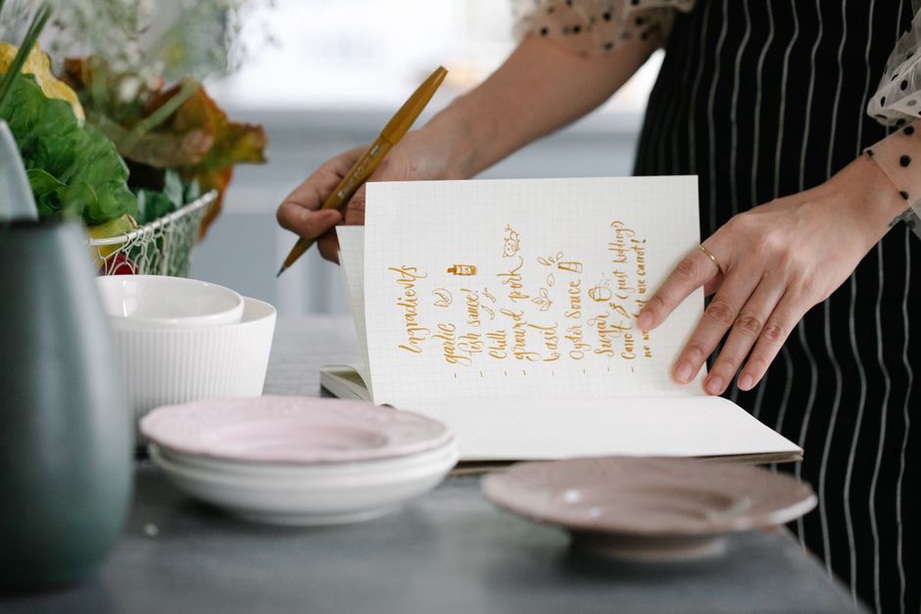
Separate essentials from optional extras. For pasta night, the pasta, sauce base, and planned vegetables may matter; a garnish may not. That distinction makes it easier to adapt if the store is out of stock or the shopping trip is cut short. It also gives someone else enough information to shop without a phone call about the whole recipe.
Prepare only what will save time
Advance preparation is useful when it removes a particular weeknight bottleneck. Washing hardy vegetables, mixing a sauce, or cooking grains ahead may be worth doing. Preparing everything on a day off can take more time than it saves, fill the fridge with containers, and leave cut produce unused. Choose one or two tasks linked to meals you actually plan to make.
Build food safety into those tasks. Follow package storage directions, refrigerate perishable cooked food promptly, and use appropriate methods for cooling, reheating, and handling raw ingredients. Appearance and smell alone cannot tell you whether food is safe. If refrigerated leftovers won’t be eaten soon, consider freezing a portion early rather than counting on it lasting until the end of the week. The food safety overview explains why handling and storage matter at each stage.
Label containers with their contents and preparation dates, especially in a shared kitchen. It helps everyone tell a reserved dinner portion from an unassigned leftover and see what is available for lunch.
Adjust the plan without starting over
Keep substitutions within the meal template when plans change. Frozen vegetables may stand in for fresh greens in a cooked bowl. A long workday may call for moving the minimal-effort meal forward and cooking the original dinner later. If someone will be away, decide whether to make less or prepare the full amount and store the extra portion safely.
After a few weeks, pay attention to the snags that recur. Perhaps a dish always takes longer than expected, a vegetable keeps going unused, or Wednesday needs a more dependable fallback. Change one part of the plan at a time; collecting more recipes won’t solve a scheduling problem.
At the next planning session, put the busiest evening at the top of the page and choose its dinner first. Check that its ingredients are already at home or on the shopping list before filling in the easier nights.