
Introduction to Dynamic Transport Loads
When vehicles, trains, or aircraft move, they exert forces on the ground that can significantly alter the behavior of soil structures. These forces, known as dynamic transport loads, differ from static loads because they vary in intensity over time, leading to complex stress and strain reactions in the soil. Grasping these reactions is vital for designing and maintaining transport infrastructure that can withstand such challenges.
Characteristics of Dynamic Loads
Dynamic loads are defined by their frequency, amplitude, and duration. These elements determine the soil's response, which can manifest as changes in pore water pressure, soil compaction, or even liquefaction under certain conditions. The soil's type, moisture level, and existing stress conditions further influence its behavior.
Frequency and Amplitude
Frequency refers to how often a load is applied, while amplitude indicates its strength. High-frequency loads, like those from fast-moving trains, can cause repetitive stress cycles, potentially leading to soil fatigue. Conversely, low-frequency loads might not cause immediate changes but can impact long-term stability.
Effects on Soil Structure
Dynamic loads can lead to various structural changes in soil, including:
- Settlement: Repeated loading may cause soil particles to shift, resulting in settlement, especially in soft soils or areas with loose fill materials.
- Compaction: These loads can compress soils, enhancing their load-bearing capacity but possibly reducing permeability.
- Liquefaction: In saturated, loose sandy soils, dynamic loading can cause a loss of strength and stiffness, leading to liquefaction.
Monitoring and Analysis Techniques
Monitoring soil behavior under dynamic loads is crucial for preserving transport infrastructure. Technological advancements now allow real-time monitoring, enabling proactive maintenance and timely adjustments.
Seismic and Vibration Monitoring
Seismic sensors and vibration monitoring systems are widely used to assess the impact of dynamic loads. These tools detect changes in soil behavior, providing valuable data for predicting and preventing potential failures.
For example, using innovative technologies to enhance bridge monitoring and maintenance can significantly improve the management of dynamic impacts on soil and structures.
Design Considerations for Mitigating Effects
When engineers design infrastructure to withstand dynamic loads, they must consider several strategies to mitigate adverse soil behavior:
- Soil Stabilization: Techniques like compaction, grouting, and using geosynthetics can strengthen soil and reduce its vulnerability to changes induced by dynamic loads.
- Foundation Design: Selecting the right foundation type and depth can help distribute loads more evenly, minimizing the risk of uneven settlement.
- Material Selection: Choosing materials with appropriate damping properties can help absorb and dissipate energy from dynamic loads.
Case Study: Railways and Dynamic Loads
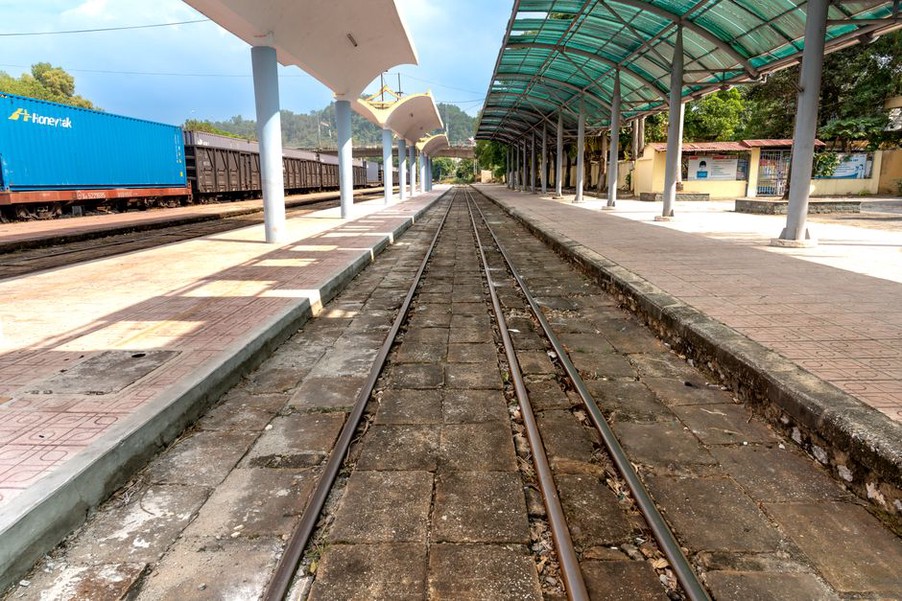
Railways are particularly affected by dynamic loads due to the high speed and frequency of trains. Ground settlements present challenges, but solutions such as reinforcing roadbeds and implementing advanced track designs can mitigate these effects. For more detailed insights, refer to the article on Ground Settlements: Challenges and Solutions for Railways.
Conclusion
Effectively managing soil behavior under dynamic transport loads is essential for ensuring the safety and durability of transport infrastructure. By understanding the characteristics of these loads, utilizing advanced monitoring techniques, and applying strategic design solutions, engineers can minimize negative impacts and enhance the longevity and reliability of transport systems.