Introduction to Soil Compaction in Transport Infrastructure
Soil compaction plays a crucial role in constructing transport infrastructure like roads and railways. By increasing soil density and reducing voids, compaction enhances the ground's ability to support these structures, contributing to their durability and safety over time.
Principles of Soil Compaction
Soil compaction involves rearranging soil particles to minimize void spaces and increase density. This process typically uses mechanical methods to apply stress, pushing particles closer together. The success of compaction relies on factors such as soil type, moisture content, and the chosen compaction method.
Soil Type
Different soils respond differently to compaction. Granular soils like sand and gravel compact more easily than cohesive soils such as clay, which require specific moisture conditions for effective compaction.
Moisture Content
Moisture is vital for soil compaction, with the 'optimum moisture content' being the point at which soil reaches maximum density. Both excessive and insufficient moisture can impede compaction efforts.
Compaction Methods
Various methods are available for compacting soil, each suited to particular project needs and soil characteristics.
Common Soil Compaction Techniques
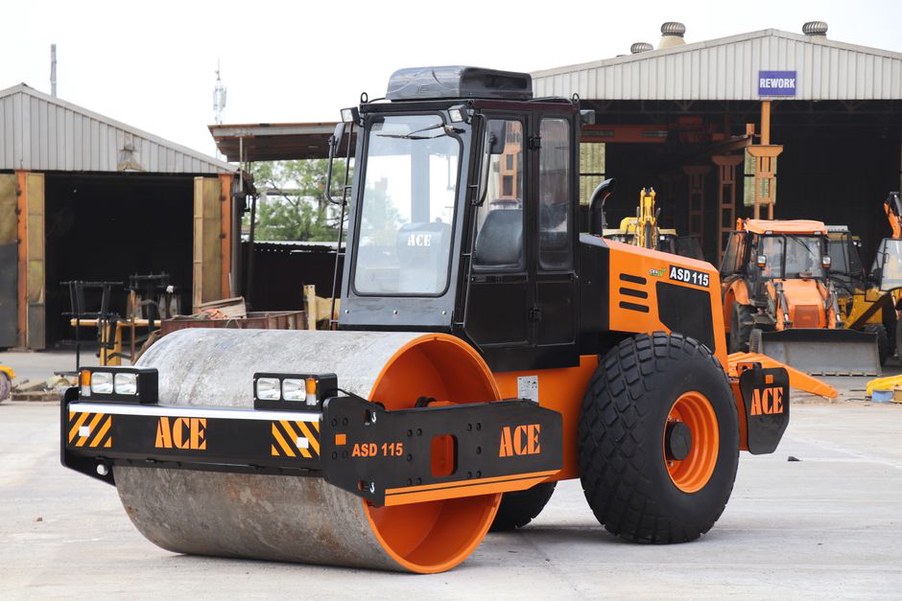
- Static Compaction: Heavy machinery applies pressure to the soil surface, using rollers like smooth-wheel and pneumatic-tired ones. This method is particularly effective for granular soils.
- Vibratory Compaction: Vibratory rollers and plates create vibrations that rearrange soil particles, enhancing compaction. This technique works well for sands and gravels.
- Impact Compaction: Drop hammers or impact rollers deliver high-energy impacts to the soil surface, suitable for deeper layers and achieving higher densities.
- Kneading Compaction: Primarily used for cohesive soils, this method involves manipulating the soil with sheepsfoot rollers to achieve the desired density.
Advanced Compaction Techniques
Technological advancements have introduced more sophisticated compaction techniques, improving control and efficiency.
Intelligent Compaction
Intelligent compaction (IC) employs advanced sensors and control systems to provide real-time feedback on soil conditions and compaction progress. This technology allows operators to make immediate adjustments, ensuring uniform compaction and enhancing overall quality.
Dynamic Compaction
Dynamic compaction involves dropping heavy weights from significant heights to densify soil layers. Effective for loose, granular soils, this method can reach greater depths than traditional techniques.
Challenges in Soil Compaction
Despite its importance, soil compaction faces challenges such as variability in soil properties, environmental constraints, and equipment limitations. Engineers must conduct thorough site investigations and plan carefully to address these issues. The importance of geotechnical data in road construction is crucial, offering insights into soil characteristics that guide effective compaction strategies.
Impact of Proper Compaction on Infrastructure Longevity
Proper compaction significantly affects the longevity and performance of transport infrastructure. Well-compacted soils resist deformation and settlement, reducing maintenance needs and extending the lifespan of roads and railways. They also provide a stable foundation, enhancing safety and reliability.
In regions prone to seismic activity, compaction is essential for mitigating earthquake damage. Designing transport infrastructure with seismic considerations, as discussed in seismic design for transport infrastructure, helps create more resilient structures.
Concluding Considerations
Effective soil compaction is fundamental to successful transport infrastructure projects. By applying the right techniques for various soil types and conditions, engineers and construction professionals can ensure the durability and safety of roads and railways. As the field evolves, incorporating advanced technologies and methods will further improve the efficiency and effectiveness of compaction efforts, supporting the development of more resilient transport networks.