When it comes to transportation infrastructure, the stability of the underlying soil is a foundational concern. Engineers and planners must prioritize monitoring soil conditions to maintain the safety and functionality of roads, railways, bridges, and tunnels. Understanding soil behavior is crucial for preventing infrastructure failures and ensuring long-term durability.
The Role of Soil Monitoring
Soil monitoring involves keeping a close eye on soil properties and changes over time. Given that soil serves as the bedrock for many infrastructure projects, any shifts in its condition can have severe consequences, such as subsidence or landslides. By regularly monitoring soil, potential issues can be detected early, allowing for interventions that can mitigate expensive repairs or prevent disasters.
Key Soil Properties to Monitor
- Moisture Content: Fluctuations in moisture can lead to soil expanding or contracting, which impacts structural stability.
- Density: Uniform soil compaction is necessary to support infrastructure loads. Inconsistencies can signal weaknesses.
- Shear Strength: This property affects the soil's ability to withstand sliding forces, particularly in landslide-prone areas.
- Permeability: The speed at which water travels through soil influences drainage, and poor management can result in erosion.
By monitoring these properties, engineers can forecast how soil will respond to environmental conditions and stresses, enabling them to design infrastructure that can withstand these challenges.
Technologies and Methods for Soil Monitoring
Advancements in technology have significantly improved soil monitoring capabilities. Here are some of the methods currently in use:
Remote Sensing and GIS
Satellite imagery and Geographic Information Systems (GIS) allow for the observation of large areas to detect changes in soil conditions. These tools provide crucial data on erosion, vegetation, and land use changes that can affect soil health.
In-situ Sensors
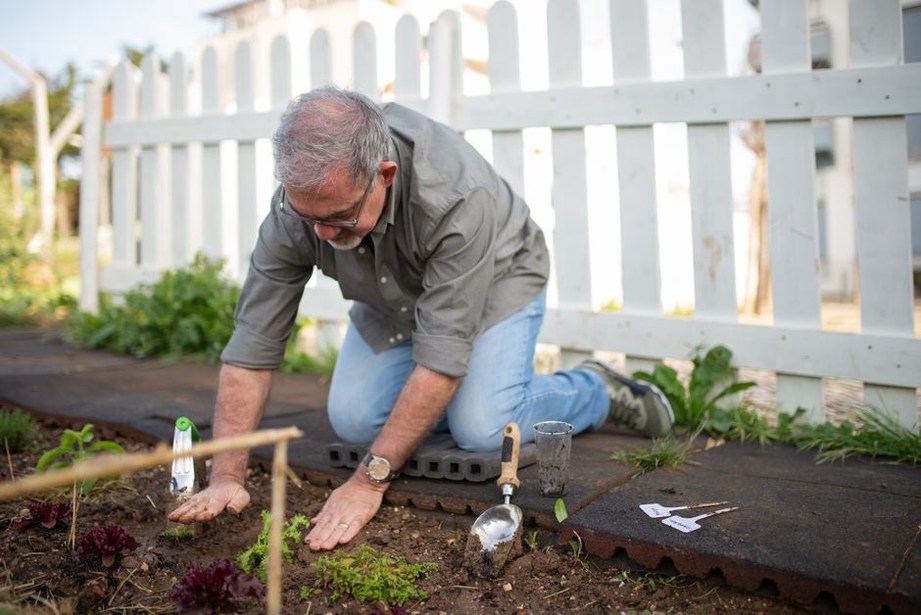
Sensors placed directly in the soil offer real-time data on moisture, temperature, and pressure. Continuous monitoring through these sensors helps in spotting anomalies that might indicate potential problems.
Geotechnical Instrumentation
Devices like piezometers, inclinometers, and settlement gauges measure specific soil parameters. These instruments are essential for evaluating soil performance over time and under various loads.
For more insights into innovative approaches in geotechnics, you may explore our article on Innovations in Geotechnical Engineering: Enhancing Transport Infrastructure.
Case Study: Railway Infrastructure
Railways are particularly affected by soil conditions due to the heavy loads they bear. Soil instability can cause track misalignment, posing safety risks and requiring frequent maintenance. By implementing soil monitoring systems, railway engineers can maintain track stability and extend their lifespan. Detailed approaches to enhancing railway resilience are discussed in our article on Designing Resilient Railway Tracks: A Multidisciplinary Approach.
Challenges and Considerations
Despite the benefits, soil monitoring comes with challenges. The variability of soil properties over short distances necessitates a dense network of monitoring stations, which can be costly. Additionally, interpreting the vast data generated requires skilled personnel and advanced analytical tools.
Natural events like earthquakes or heavy rainfall can rapidly change soil conditions. Therefore, infrastructure designed with static soil conditions in mind may not always suffice, underscoring the need for continuous monitoring and adaptable design strategies.
Future Directions
As climate change impacts weather patterns, soil monitoring will become increasingly important in infrastructure projects. Engineers will need to consider more frequent extreme weather events and their effects on soil stability. Advances in machine learning and data analytics offer promising opportunities for processing complex data sets from soil monitoring, potentially leading to more predictive maintenance strategies.
Incorporating soil monitoring systems into infrastructure planning and maintenance is not just a technical requirement but a strategic approach to ensuring the longevity and safety of transportation networks.