A Saturday culvert visit needs more than a charged camera and booked train tickets. Before leaving, the team needs a defined observation point, permission to access it, a safe route in and a plan for changing conditions. Treat a short weekend visit as fieldwork, not a substitute for an inspection or engineering assessment.
1. Define the purpose and the limits
Write down the question the visit should answer. “Observe whether water is ponding near the approach embankment” is more useful than “check the bridge.” Identify the structure or corridor, the observation locations and what the team needs to bring back: photographs, visible-condition notes or readings from authorized instruments. State what the team will not do, such as enter a confined space, test a component or decide whether a structure has adequate capacity.
- Record the asset identifier, location and responsible organization.
- List the observations needed and the evidence that would support each one.
- Identify who can authorize access and who will receive the field notes.
- Set a stop point if the task calls for specialist inspection or traffic control beyond the team’s remit.
2. Confirm access before arranging travel
Being able to see a site from a public place does not give the team permission to enter a railway corridor, construction site, bridge maintenance area or drainage structure. Check the asset owner’s or operator’s rules for induction, escorts, photography and weekend work. Permission must cover the planned locations and activities, not just the site in general.
On a short trip, a locked gate can cost the team much of its daylight. Confirm the meeting point, contact person and arrival procedure before departure. If access is still uncertain, limit observations to lawful, safe public locations; do not improvise an entrance on site.

3. Build an itinerary around working conditions
Keep travel time separate from usable field time. Allow for transfers, site induction, walking between observation points and labelling notes while details are fresh. Check the operator’s current timetable rather than a saved schedule: weekend engineering works may affect rail service.
Weather affects both access and what the team can observe. Rain may make a slope unsafe to approach; a dry day may reveal little about the drainage behaviour that prompted the visit. Record the forecast and any relevant recent conditions, but do not mistake a forecast for conditions on site. Set a decision time for postponement and a return option if the final service is missed.
Make the route usable without mobile data
Save the authorized entrance, meeting point and observation locations in an offline map. Keep site contact details somewhere other than a phone-only itinerary. If several structures have similar names, add asset identifiers or chainage references so photographs can be assigned to the right location later.
4. Match people and equipment to the task
The team needs the competence to make the planned observations. An informal weekend visit must not turn into an unplanned confined-space entry or a close-up inspection of a live asset. Arrange any required specialist, escort or protection through the responsible organization before travelling.
Pack for the task rather than from a generic travel list. Items may include a charged phone, backup power, approved camera, notebook, site plans, weather-appropriate clothing and protective equipment specified by the operator’s risk controls. Check that instruments suit their intended use and that any required calibration is current. Do not assume a drone or other restricted equipment will be permitted.
- Before packing: confirm site-specific PPE and equipment rules.
- Before departure: test batteries, storage capacity and offline documents.
- Before entering: check actual conditions against the agreed safe system of work.
5. Plan for hazards that may not be visible on arrival
Consider ground conditions, water levels, moving traffic and changing weather before arriving. A firm-looking verge may have a weak edge; a drainage channel may rise after rainfall upstream. Stay within authorized areas and clear of slopes, water and operating infrastructure unless those exposures have been formally planned and controlled.
Record an emergency contact and agree how the team will report its arrival and departure. Identify a practical exit route, while recognizing that a route chosen from a desktop map has not been verified on site. If conditions differ materially from the plan—an access path is flooded or traffic protection is absent, for example—pause the work and contact the responsible person. Do not adjust the task informally.
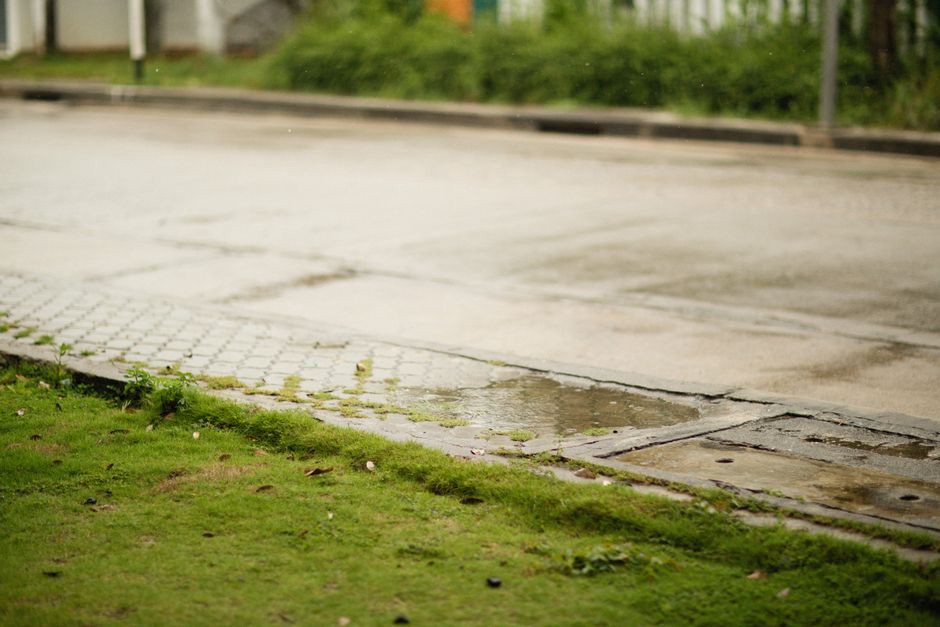
6. Prepare an evidence record, not just photographs
Each image needs context. Record the date, time, asset identifier, location, viewing direction and relevant conditions. Start with a wider view that locates the feature, then photograph the detail, retaining a scale reference where it can be used safely. Keep the original files and separate observations from interpretations: “standing water at the outlet at 10:20” describes what was seen; attributing it to a blocked pipe needs more evidence.
Use consistent file names or note numbers so photographs and written observations can be matched after travel. If a safety restriction prevents a needed view, record the gap. A missing photograph is better than crossing a barrier for a closer angle.
7. Leave time for handover
Before leaving, check that each planned location has been documented or marked as inaccessible, and confirm that everyone is off site. Back up the field record when a secure, approved connection is available. Send urgent observations through the operator’s established process rather than waiting for a finished report. The routine note can follow with locations, conditions, images and limitations.
For a Sunday visit, schedule the Monday handover before booking the outbound journey. Leave enough time to match every photograph to its asset identifier while the route is still clear in the team’s notes.