The Complexities of Tunnel Maintenance
Maintaining tunnels involves a deep understanding of structural engineering and geology. These subterranean passages present unique challenges due to their limited accessibility, high humidity, and constant mechanical and environmental stress. Maintenance teams must also work to minimize traffic disruptions, adding another layer of difficulty to their tasks.
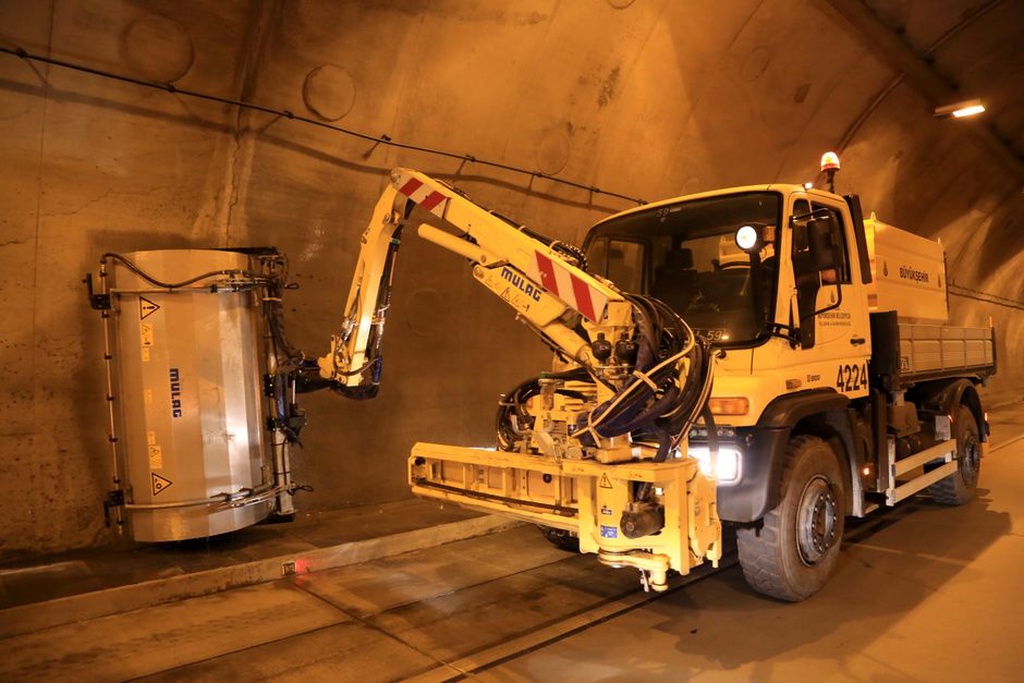
Key Challenges in Tunnel Maintenance
Tackling tunnel maintenance issues requires a strategic approach that considers several factors:
- Structural Degradation: Tunnels experience wear over time from water ingress, chemical exposure, and mechanical vibrations. This can deteriorate concrete linings and steel reinforcements, necessitating regular inspections and repairs.
- Water Management: Water ingress poses significant problems. Effective drainage systems are crucial to prevent water accumulation, which can cause corrosion and affect structural integrity. Maintaining these systems is challenging due to their complexity and difficult access.
- Lighting and Electrical Systems: Reliable lighting and electrical systems are vital for safety. These systems often face corrosion and other deterioration forms, requiring regular maintenance and upgrades to meet safety standards.
- Ventilation and Air Quality: Proper ventilation is essential for maintaining air quality and removing harmful gases. Regular checks and maintenance of ventilation systems ensure they function efficiently, especially in heavily trafficked tunnels.
Innovative Solutions and Technologies
Technological advancements have introduced new solutions to some of these maintenance challenges.
Advanced Monitoring Systems
Modern tunnels increasingly use advanced monitoring systems equipped with sensors and data analytics to provide real-time information on structural integrity, environmental conditions, and system performance. These technologies allow for predictive maintenance, enabling teams to address issues before they escalate. The implementation of such systems is part of broader efforts to enhance transport infrastructure monitoring with advanced technology.
Material Innovations
Developing new materials with enhanced durability and resistance to environmental stressors is another key area of innovation. For example, fiber-reinforced polymers and high-performance concrete can extend tunnel structures' lifespan and reduce major repairs. These materials are part of ongoing efforts to incorporate sustainable design principles in transport infrastructure.
Operational and Safety Considerations
Safety for both maintenance teams and tunnel users is a top priority. Maintenance operations must be carefully planned to minimize risks and disruptions. This includes scheduling work during off-peak hours, implementing rigorous safety protocols, and using specialized equipment designed for confined spaces.
Training and Workforce Management
Maintaining a skilled workforce capable of handling the specialized demands of tunnel maintenance is another significant challenge. Continuous training and adopting best practices are essential to ensure that maintenance workers can effectively manage the complex tasks involved in tunnel upkeep.
Conclusion
Effective tunnel maintenance is vital for the safety and reliability of transport networks. By addressing the unique challenges of tunnel environments and adopting innovative solutions and technologies, infrastructure managers can enhance these critical structures' longevity and performance. As tunnels remain integral to modern transportation, ongoing research and development in maintenance practices will be crucial to meet the evolving needs of these complex engineering marvels.