The Importance of Resilient Railway Track Design
Railway tracks are crucial components of our transportation network, enabling the smooth movement of goods and passengers. Their resilience and integrity are vital for maintaining safety and reliability. Designing tracks to endure environmental challenges and operational pressures is a complex endeavor that demands a deep understanding of geotechnical principles, material science, and structural engineering.
Geotechnical Considerations
The substructure of railway tracks is fundamental to their overall strength. Geotechnical engineering is employed to evaluate soil characteristics, load-bearing capacities, and potential settlement issues. Engineers perform comprehensive site investigations to grasp soil composition and behavior under stress.
Integrating advancements from innovations in geotechnical engineering can greatly improve the track bed's durability. Techniques such as soil stabilization, geosynthetics, and enhanced drainage systems are crucial for preventing track deformation and preserving alignment.
Foundation Materials
Choosing the right foundation materials is essential for supporting the track structure. These materials must be durable, distribute loads effectively, and resist weather-induced changes. Gravel, ballast, and sub-ballast layers are commonly used, each fulfilling a specific role in load distribution and drainage.
For more insight into foundation materials, check out our article on road foundation materials, which provides valuable information applicable to railway track construction.
Structural Design of the Track
The track structure comprises rails, ties, and fasteners, each playing a part in its resilience. Rail selection is influenced by factors like expected load, usage frequency, and environmental conditions. The fastening system must handle thermal expansion and contraction while maintaining gauge and alignment.
Rail Materials and Design
- Steel Composition: Modern rails are typically crafted from high-grade steel alloys to enhance strength and wear resistance.
- Profile Design: The rail profile must be designed to optimize contact with train wheels, minimizing wear and enhancing stability.
Continuous welded rail (CWR) is now standard practice, reducing maintenance needs and improving ride quality. However, managing expansion joints and stress is crucial to prevent buckling.
Environmental and Operational Challenges
Railway tracks face diverse environmental conditions, including temperature shifts, precipitation, and seismic activity. Designing for resilience involves anticipating these challenges and implementing strategies to mitigate their effects.
Weather and Climate Adaptability
Tracks must endure extreme temperatures and moisture levels, requiring proper drainage to prevent water accumulation and frost heave. In flood-prone areas, elevated track beds or protective barriers may be necessary.
Seismic Considerations
In earthquake-prone regions, tracks must accommodate ground movement. This involves reinforcing the substructure, using flexible rail joints, and implementing monitoring systems to detect and respond to ground shifts.
Monitoring and Maintenance
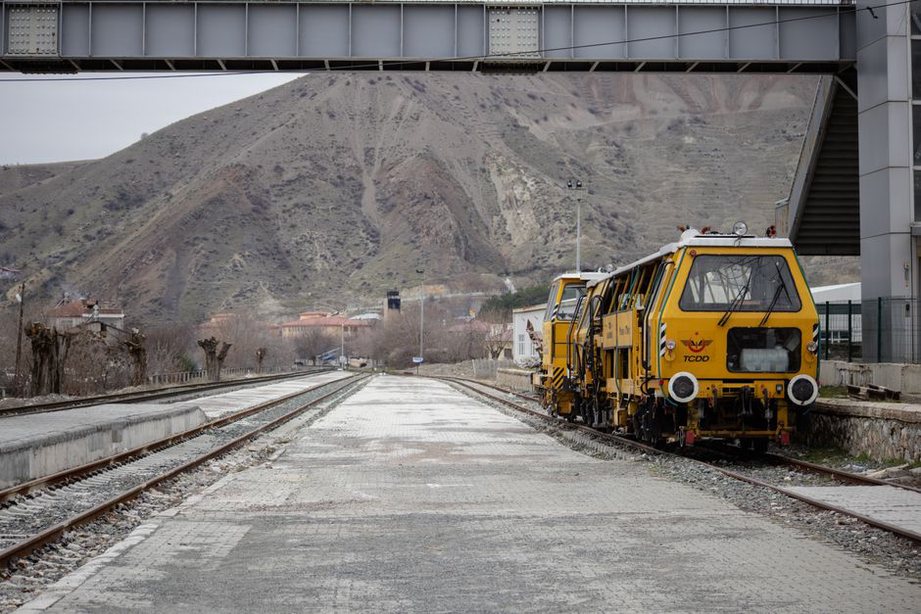
Continuous monitoring and maintenance are vital for resilient railway track design. A robust monitoring system allows for early detection of issues like track misalignment or foundation settlement.
- Track Monitoring Systems: These systems use sensors and data analytics to provide real-time feedback on track conditions, enabling proactive maintenance.
- Regular Inspections: Routine inspections are necessary to assess wear and tear, especially in high-traffic areas.
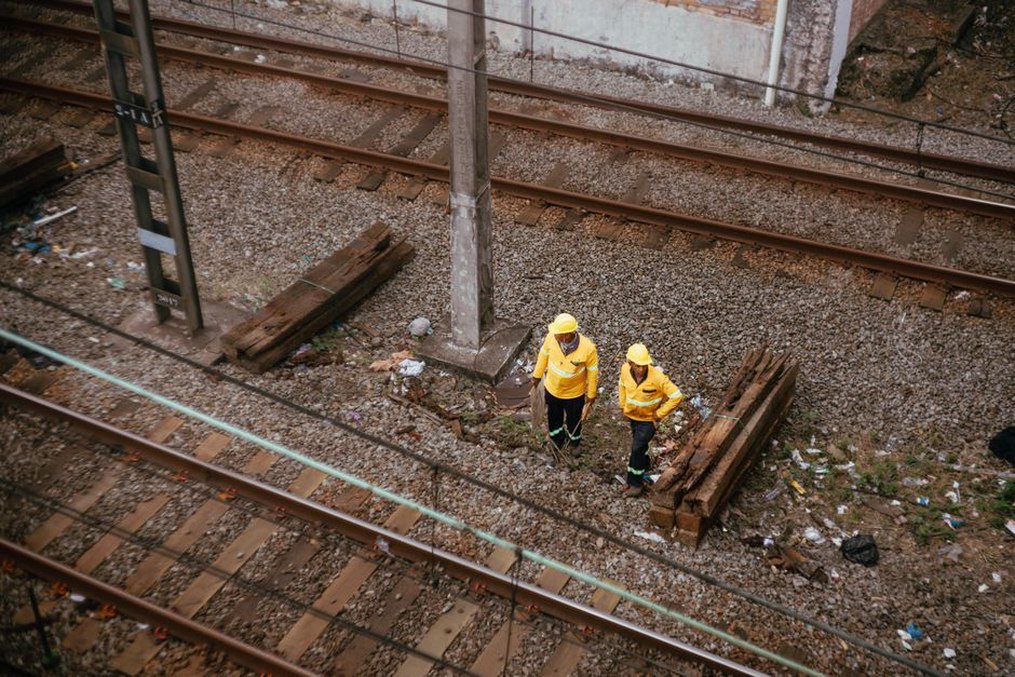
Regular maintenance activities, including rail grinding, ballast cleaning, and tie replacement, keep the track in optimal condition, reducing the risk of accidents and service disruptions.
Conclusion
Creating resilient railway tracks demands a multidisciplinary approach that incorporates geotechnical, structural, and environmental considerations. By utilizing modern engineering techniques and materials, engineers can build tracks that meet current needs and adapt to future challenges. Implementing advanced monitoring and maintenance strategies further enhances track resilience, ensuring the safety and reliability of rail transport systems.