Understanding Climate Impacts on Rail Infrastructure
Rail networks play a vital role in moving goods and people efficiently. However, they are increasingly at risk from climate change, which brings extreme weather, higher temperatures, and shifting rainfall patterns. These changes can warp tracks, increase maintenance demands, and disrupt services.
Key Challenges Faced
Rail infrastructure is up against several climate-related hurdles:
- Temperature Variations: Extreme heat can cause tracks to buckle, while cold can lead to fractures.
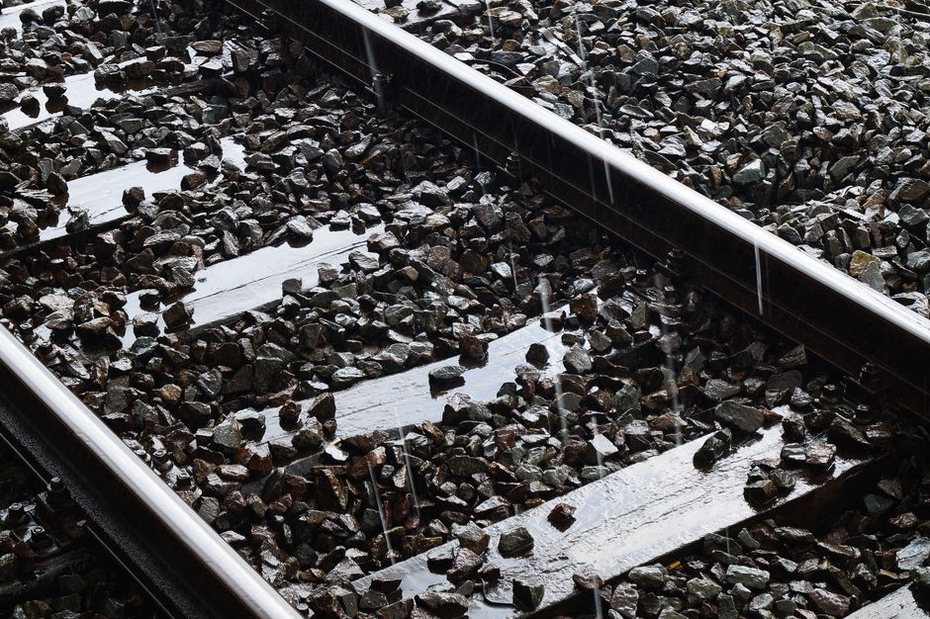
- Flooding and Heavy Rain: More intense rainfall can erode track foundations, destabilize embankments, and interrupt operations.
- Sea Level Rise: Coastal rail lines are at risk from rising sea levels and more frequent storm surges.
- Severe Storms: High winds and storms can damage overhead lines and signaling equipment.
Addressing these issues requires strategic planning to keep rail networks reliable and resilient.
Adaptation Strategies for Enhancing Resilience
To counteract climate change effects on rail infrastructure, several strategies can be adopted:
Infrastructure Reinforcement
Strengthening rail networks involves using materials that endure extreme temperatures and making design improvements to cope with water and wind loads. Advanced geotechnical tools help assess soil stability and track foundation strength, guiding better engineering decisions.
Improved Drainage Systems
Effective drainage is crucial to prevent track flooding and waterlogging. Engineers should create systems capable of handling the increased rainfall expected with climate change.
Predictive Maintenance and Monitoring
Using predictive modeling to anticipate weather impacts can improve maintenance scheduling and resource allocation. This proactive approach identifies vulnerabilities before they disrupt services. The impact of predictive modeling on transport infrastructure can significantly extend the lifespan of rail components.
Elevated Track Design
In flood-prone or coastal areas, elevating tracks can prevent water damage and protect against storm surges, maintaining service continuity.
Advanced Materials Selection
Choosing durable materials that resist temperature changes is essential. This includes using steel alloys that minimize thermal expansion and track deformation.
Integrating Climate Adaptation into Planning
Incorporating climate adaptation into rail project planning is crucial. This involves analyzing the long-term effects of climate change from construction to decommissioning. Geotechnical data is vital, providing insights into soil conditions and guiding adaptation measures.
Strategies for adapting transport infrastructure to climate change challenges offer broader insights that can be applied to rail networks.
Collaborative Efforts and Policy Development
Effective climate adaptation requires cooperation among stakeholders, including government agencies, engineering firms, and community groups. Developing policies that focus on resilience and sustainability in rail planning will help these systems handle climate challenges. Stakeholders should push for more research funding and the adoption of new technologies to support adaptation efforts.
Future Directions
While current strategies lay the groundwork for resilience, ongoing research and innovation will drive further improvements. Investing in technology for real-time monitoring and predictive capabilities is essential to adapt to changing climate scenarios. The future of rail networks hinges on integrating these advanced techniques to maintain uninterrupted and safe operations.
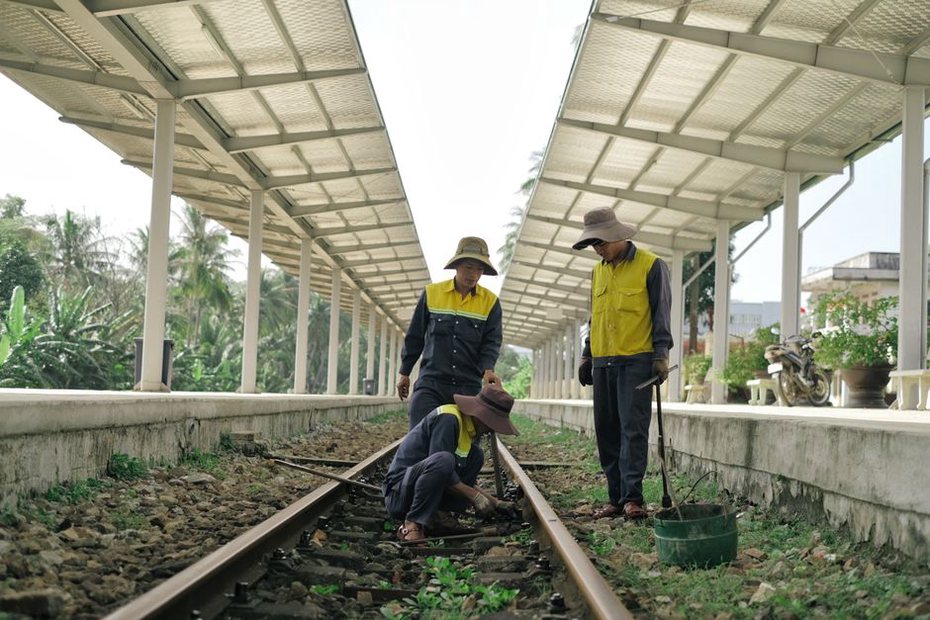
Ultimately, proactive adaptation strategies are crucial for rail networks facing climate change. By reinforcing infrastructure, implementing predictive maintenance, and selecting durable materials, rail systems can better withstand environmental challenges, providing reliable service and safety for passengers and freight.