
Seismic Forces and Their Influence on Tunnels
Tunnels, vital elements of transport infrastructure, are often seen as safe shelters during earthquakes due to their underground location. However, seismic forces can still greatly impact their structural integrity. These forces include ground shaking, fault displacement, and sometimes liquefaction, each presenting distinct challenges to tunnel stability and function.
Ground Shaking
Ground shaking is the most frequent seismic impact, causing vibrations that move through the earth's layers. These vibrations can exert considerable stress on tunnel linings and supports. The level of damage depends on the tunnel's depth, alignment, and the geological conditions around it.
Fault Displacement
When a fault rupture intersects a tunnel, the resulting displacement can lead to severe structural damage, particularly in tunnels crossing active fault lines. Engineers must consider potential displacements during the design phase, incorporating features that allow for flexibility and movement.
Soil Liquefaction
Liquefaction occurs when saturated soil loses its strength and stiffness due to an applied stress, often during an earthquake. This can cause subsidence or lateral spreading, threatening tunnel portals and causing deformation or misalignment of tunnel segments.
Design Considerations for Seismic Resilience
To design tunnels that can withstand seismic impacts, a deep understanding of local seismic activity and ground conditions is necessary. Incorporating flexible joints, using reinforced materials, and employing advanced geotechnical tools can help reduce potential damage.
- Flexible Joints: These allow tunnel segments to move independently during seismic events, reducing stress concentrations.
- Reinforced Materials: Using materials with high ductility and strength can enhance the tunnel's ability to absorb seismic energy.
- Advanced Geotechnical Tools: Employing tools for real-time monitoring and analysis can significantly aid in the detection and management of seismic vulnerabilities. For a deeper understanding of these tools, see The Role of Advanced Geotechnical Tools in Transport Infrastructure.
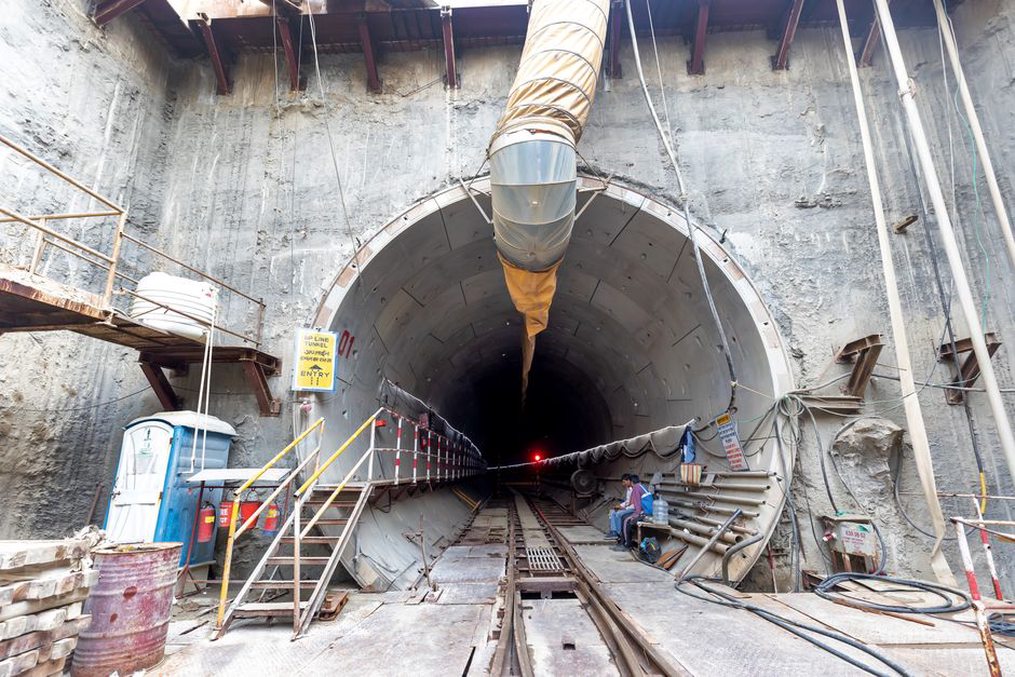
Case Studies of Seismic Events Affecting Tunnels
Looking at past seismic events provides valuable insights into how tunnels can be affected and what measures can be taken to enhance their resilience.
Northridge Earthquake (1994)
The 1994 Northridge Earthquake in California exposed the vulnerability of underground structures to seismic forces. Several highway tunnels suffered lining failures and cracking, leading to a reevaluation of seismic design standards.
Chi-Chi Earthquake (1999)
The Chi-Chi Earthquake in Taiwan saw numerous tunnel collapses. Fault displacements and poor construction practices were identified as primary causes, highlighting the importance of rigorous engineering and construction standards.
Mitigation Strategies and Future Directions
Enhancing the resilience of tunnel structures against seismic events requires innovative design practices and advanced materials. Engineers must continuously adapt to new findings and technologies to improve seismic performance.
Integrating thorough risk assessments and considering natural risks in infrastructure planning are crucial. For further exploration of these considerations, visit Navigating Natural Risks in Transport Infrastructure.

Ultimately, a proactive approach that combines advanced engineering solutions with rigorous safety evaluations is essential for maintaining the longevity and safety of tunnel infrastructure in seismically active regions.