Assessing Structural Integrity
Evaluating the condition of aging infrastructure is vital for maintaining the safety and longevity of transport systems. This process involves a detailed examination of structural components such as bridges, tunnels, and pavements. Engineers utilize advanced diagnostic tools to identify potential weaknesses or damages within these structures. Regular inspections, along with technologies like ground-penetrating radar and ultrasonic testing, are essential for detecting issues before they become severe.
Monitoring Geotechnical Conditions
The stability of transport infrastructure heavily depends on the underlying geotechnical conditions. Soil stability and compaction are crucial factors in preserving the integrity of road and railway foundations. Engineers can gain a better understanding of these factors through geotechnical monitoring techniques. For more insights on the importance of soil stability, refer to our article on soil stability in transport infrastructure.
Material Reliability and Degradation
Construction materials' reliability is another critical aspect of infrastructure integrity. Over time, materials degrade due to environmental exposure, mechanical wear, and chemical reactions. Engineers must assess the condition of these materials to determine their remaining service life. This often involves laboratory testing of field samples to evaluate properties such as tensile strength and corrosion resistance.
Seismic and Natural Risk Considerations
Transport infrastructure must be designed to withstand natural events like earthquakes and floods. Seismic forces, in particular, can have a significant impact on tunnels and other underground structures. Engineers must design infrastructure to resist these forces and regularly assess their impact. For further reading on this topic, explore our insights on seismic forces on tunnel structures.
Techniques for Infrastructure Rehabilitation
When infrastructure shows signs of wear, rehabilitation becomes necessary. Techniques such as resurfacing, structural reinforcement, and foundation stabilization are commonly used. The choice of method depends on the specific issues identified during the assessment phase. It is crucial to use reliable engineering standards and materials to ensure the success of these rehabilitation efforts.
- Resurfacing: Used for pavements and roads to restore surface quality.
- Structural Reinforcement: Involves adding support to existing structures to enhance load-bearing capacity.
- Foundation Stabilization: Techniques like grouting and underpinning strengthen the foundation of structures.
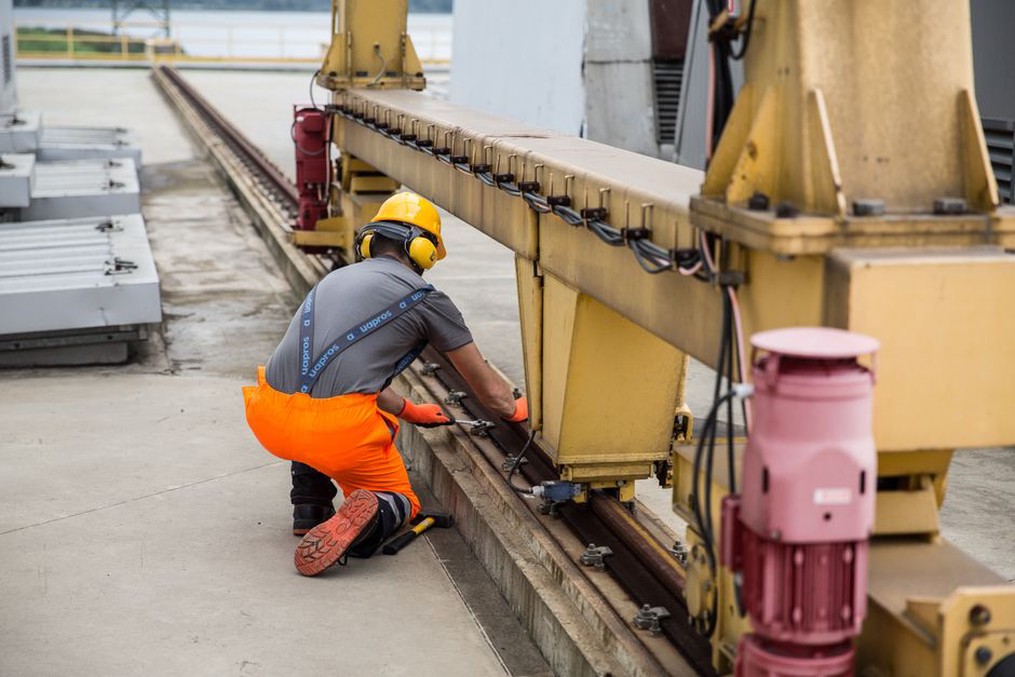
Monitoring is essential in the post-rehabilitation phase to ensure the infrastructure's continued integrity. Installing sensors and conducting periodic surveys help track performance and promptly identify any new issues.
Conclusion: A Proactive Approach
Evaluating aging infrastructure involves advanced diagnostic techniques, regular monitoring, and timely rehabilitation. By focusing on structural integrity, geotechnical conditions, and material reliability, engineers can extend the lifespan of vital transport systems. This proactive approach not only promotes safety but also optimizes resource allocation in infrastructure management.