Why Soil Stability Matters in Transport Infrastructure
Soil stability plays a crucial role in the design and upkeep of transport infrastructure. Unstable soil can result in severe consequences, including the collapse of roads, railways, bridges, and tunnels. Engineers and infrastructure specialists must use advanced techniques to monitor and mitigate these risks effectively. Understanding soil behavior is essential to ensure the longevity and safety of transport networks.
Key Techniques for Soil Stability Monitoring
1. Geotechnical Instrumentation
Geotechnical instrumentation is essential for monitoring soil stability. Instruments such as inclinometers, piezometers, and settlement plates provide real-time data on soil movement and groundwater levels. These tools help engineers detect early signs of instability, allowing for timely intervention. Wikipedia offers a detailed overview of geotechnical instrumentation used in various projects.
2. Remote Sensing Technologies
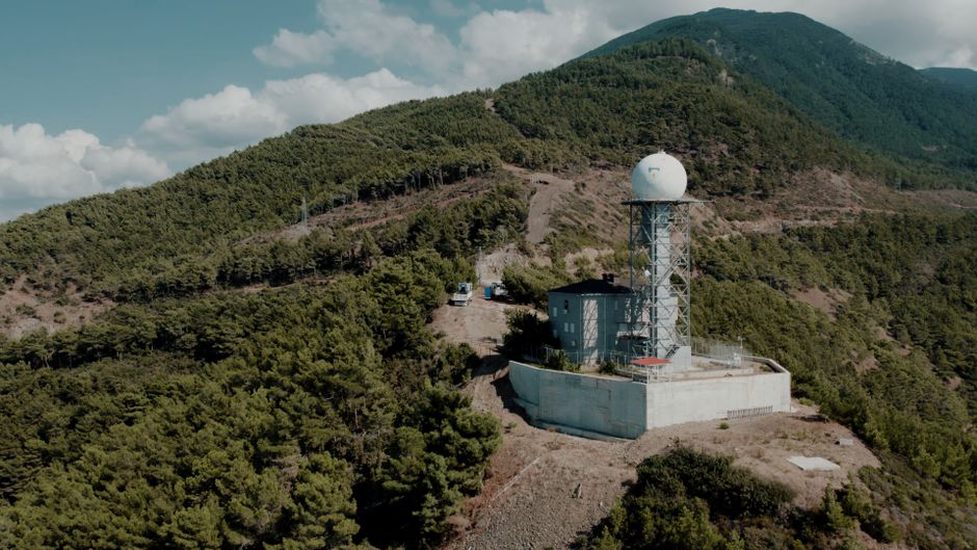
Remote sensing technologies, including satellite radar and LiDAR, have significantly improved soil monitoring. These methods enable the observation of large areas with high precision, detecting minute changes in terrain that could indicate instability. Remote sensing is particularly useful in areas that are difficult to access or where traditional methods are impractical.
3. Predictive Modeling
Predictive modeling uses computer simulations to forecast soil behavior under various conditions. By integrating historical data with current measurements, engineers can anticipate potential stability issues and develop strategies to address them. For more on predictive modeling's impact on infrastructure, explore our article on predictive modeling in infrastructure longevity.
Implementing Effective Monitoring Systems
- Site-specific Assessment: Conduct a thorough analysis of the geological and environmental conditions of the site.
- Integration of Technologies: Use multiple monitoring techniques to gain a full understanding of soil conditions.
- Continuous Data Collection: Ensure ongoing monitoring to detect changes promptly.
- Data Analysis and Interpretation: Utilize advanced software for analyzing data to identify trends and potential threats.
Case Studies and Applications
Real-world applications of these techniques are evident in projects like high-speed railways and urban metro systems. For instance, the use of satellite radar in monitoring railway track stability has been documented in our detailed analysis on monitoring soil behavior and railway stability. These case studies demonstrate the effectiveness of combining traditional and modern techniques in maintaining infrastructure reliability.
Conclusion: The Future of Soil Stability Monitoring
The continuous advancement in monitoring technologies promises improved safety and reliability for transport infrastructures worldwide. By employing a mix of traditional methods and innovative technologies, engineers can maintain soil stability, reducing the risks associated with infrastructure failures. Continuous innovation and adaptation are essential to addressing the challenges posed by changing soil conditions.