The Importance of Material Reliability
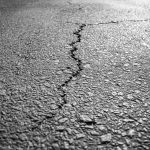
In transport engineering, the reliability of materials is a fundamental aspect that impacts the safety, efficiency, and lifespan of infrastructure. Roads, bridges, tunnels, and railways are constantly exposed to various stresses and environmental conditions, requiring materials that can endure over time. A lapse in material reliability can result in severe consequences, such as structural failures and increased costs for repairs and maintenance.
Factors Affecting Material Reliability
Several key factors influence the reliability of materials used in transport infrastructure:
- Environmental Conditions: Changes in temperature, moisture levels, and exposure to chemicals can gradually degrade materials.
- Load and Stress: The repeated cycles of loading and unloading can cause materials to weaken over time.
- Material Properties: The inherent characteristics of materials, like their strength, elasticity, and wear resistance, are crucial to their reliability.
Considering these factors during the planning and design stages of transport projects is essential to choose the right materials.
Advancements in Material Science
Recent breakthroughs in material science have introduced more durable materials for transport infrastructure. Innovations such as high-performance concrete, advanced composites, and corrosion-resistant alloys are being increasingly utilized to improve the longevity and robustness of transport structures.
For example, graphene, known for its exceptional strength and conductivity, is being considered for use in road and bridge construction. When added to asphalt, it can create road surfaces that last longer and require less maintenance.
Case Studies: Successes and Challenges
Several global projects highlight the impact of material reliability on transport infrastructure:
- Seoul's Cheonggyecheon Restoration: The restoration of this urban stream using eco-friendly materials improved environmental conditions and aesthetic appeal while maintaining structural soundness.
- Millau Viaduct in France: This engineering feat employed high-strength concrete and steel to achieve remarkable durability and stability, setting a new standard for future bridge construction.
Despite these successes, challenges persist, such as the necessity for ongoing monitoring to identify material degradation early. Advanced diagnostic techniques are vital in addressing these challenges.
Integrating Material Reliability with Geotechnical Considerations
Material reliability is intricately linked to geotechnical engineering, especially in projects with complex geological conditions. Techniques like soil stabilization are crucial for maintaining the stability of road foundations and railway tracks. Understanding the essentials of road foundation materials is critical for achieving durability and performance, as explored in our article on road foundation materials.
Planning for Seismic and Natural Risks
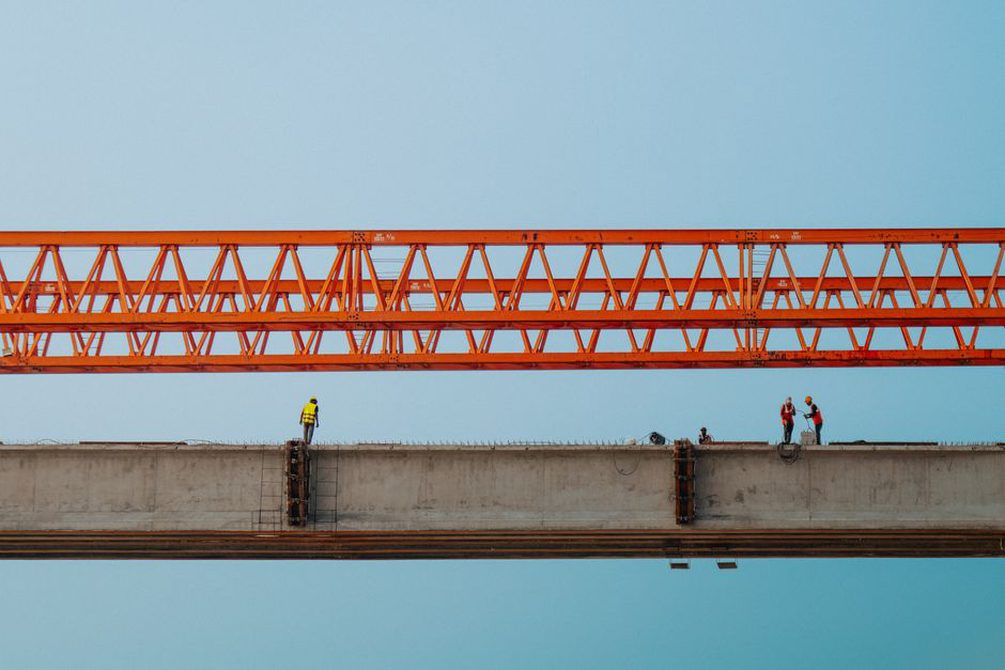
Transport infrastructure must be designed to withstand seismic and natural events. Selecting materials that can endure these forces is essential. A thorough understanding of seismic risks for transport infrastructure aids in choosing materials that enhance structural resilience in earthquake-prone regions.
Future Directions and Innovations
The future of material reliability in transport engineering is promising, with ongoing research into smart materials that can self-repair and adapt to environmental changes. Nanotechnology and bio-inspired materials offer potential for creating infrastructure that not only lasts longer but also demands less upkeep.
To implement these innovations, collaboration among material scientists, engineers, and policymakers is essential to ensure new materials meet safety standards and are economically feasible.

In conclusion, material reliability remains a cornerstone of transport engineering, shaping the safety, cost-effectiveness, and sustainability of infrastructure. By embracing advancements in material science and integrating them with effective engineering practices, we can construct transport systems that endure for generations.