A transit stop can have a low-energy shelter and still be unsafe if passengers must cross an unprotected work zone to reach it. Recurrent flooding can also damage the platform, prompt repeated repairs and interrupt service, eroding the shelter’s apparent environmental benefit. At an urban transport site, access, drainage, ground conditions, structural reliability and maintenance affect both safety and sustainability.
The engineering task is not to optimize one indicator in isolation. A lighter structure may use less material but need more frequent intervention; a raised platform may reduce flood exposure but make pedestrian approaches difficult. A useful design review tests normal use, foreseeable hazards, construction impacts and eventual removal or replacement against the same set of options.
Define the system before comparing options
An urban transport project extends beyond its main structure. A tram corridor includes track support, stops, crossings, drainage connections, utilities, signals and maintenance routes. A bridge or underpass also changes its approaches and the surrounding walking and cycling network. A narrow project boundary can hide risks or environmental burdens shifted to those interfaces.
Early option studies should distinguish user safety, worker safety and asset reliability. They overlap, but each calls for different evidence. A stable retaining wall does not prove that station access is safe; a passenger route free of conflicts does not prove that the ground beneath it will perform over time. Emissions estimates also need a stated boundary: do they include materials, site activity, maintenance and replacements? Operational energy savings and embodied impacts cannot be compared meaningfully without a consistent basis.
State the time horizon and test credible demand and hazard scenarios. An option that performs well on opening day may have higher cumulative impacts if it needs frequent closure or replacement. Where forecasts are uncertain, a range of plausible conditions is more informative than a single prediction treated as certain.
Make safe movement part of the infrastructure design
Examine routes across interfaces
Conflicts often arise where users change level or mode: station entrances, bus stops beside cycle routes, tram crossings, bridge approaches and temporary diversions. Reviews should follow continuous routes for people walking, using mobility aids, cycling and boarding transit. Check visibility, surface condition, drainage and available space at each transition. An element that passes a check on its own may still form a hazardous route when joined to the next one.
A drainage channel that protects a platform foundation, for example, should not create a wheel trap on an accessible approach. A barrier may separate movements while obscuring sightlines or blocking maintenance access. Drawings, site walks and discussions with operations staff can expose conflicts that discipline-specific checks miss.
Construction phases deserve the same scrutiny. Works may move a stop, narrow a footway or relocate crossings for months. Temporary routes need checks for surface quality, lighting, legibility and exposure to moving equipment, followed by review as the worksite changes.
Design for understandable operation
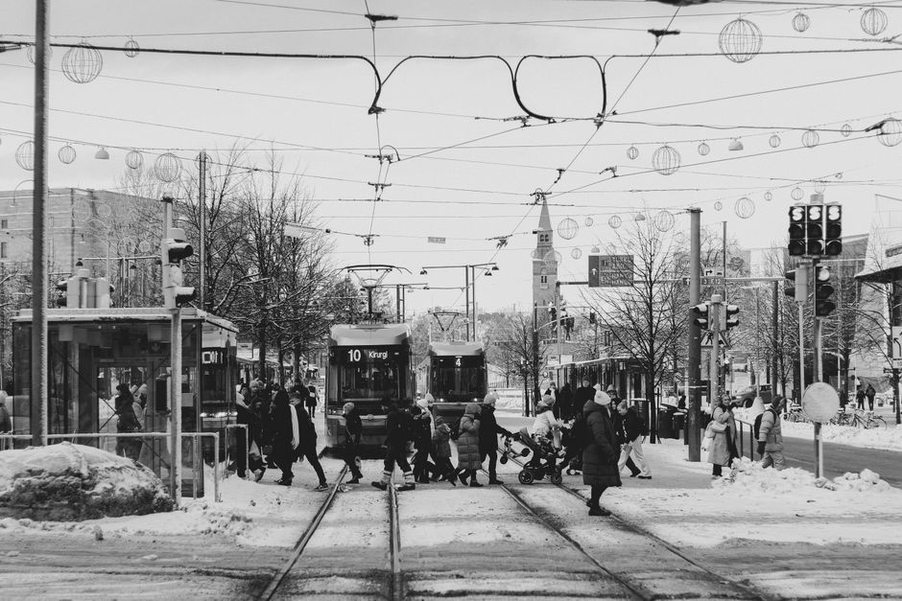
Layouts should make intended movements clear without relying on signs alone. Consistent platform edges, visible crossings and unambiguous routes help, but physical measures must also suit the operation. A feature that delays emergency or maintenance access may introduce another risk. Before details are fixed, operations teams should test assumptions about cleaning, incident response, crowding and service recovery.
Account for the ground, water and heat beneath the route
Dense urban corridors often cross variable fill, buried structures, utility trenches and soils altered by earlier construction. Differential settlement can distort a transit platform, disrupt track geometry or create an abrupt level change on an accessible path. Ground investigation should cover transitions between stiff and flexible construction, excavations near existing assets and locations where small changes can affect use—not just major structures.
Water links geotechnical performance to safety and environmental impact. Blocked inlets, rising groundwater or runoff redirected by a new alignment can weaken support layers and leave access routes slippery or impassable. Drainage assessment should establish where water arrives, where it is stored or discharged, and what happens when part of the system is obstructed. It should also establish how the system will be inspected: a feature that cannot be maintained reliably is less resilient than it looks on a drawing.
Heat affects stops and walkways too. Shade and suitable surfaces can improve conditions for waiting passengers, while planting must be coordinated with sightlines, buried services, drainage and structural clearances. The test is whether a feature works safely across expected seasons and can be maintained without disproportionate disruption, not whether it carries a green label.
Compare materials on service life, not just initial quantity
Using less material is worthwhile only if it does not lead to premature deterioration or difficult repairs. For pavements, platforms, bridges and retaining elements, compare exposure, expected service conditions, inspection needs, likely interventions and the consequences of closure. Selection also needs evidence that materials can be placed and verified under site constraints; laboratory properties alone do not establish field performance.
Replacement can be especially disruptive in a city. Deliveries, excavation spoil, noise, detours and repeated possession of a rail corridor may outweigh a modest initial material saving. An element designed for inspection and localized renewal may reduce future work. Under repeated loading, the location and accessibility of fatigue-sensitive details affect both reliability and intervention frequency. These mechanisms and their inspection implications are examined in fatigue assessment for transport infrastructure.
Reuse needs evidence, too. Retaining a foundation or structural component may avoid new construction, provided its condition, load path and compatibility with the altered facility are established. Targeted investigation of possible hidden defects may be needed before comparing it fairly with replacement.
Use resilience to protect service, not only structures
A station may remain structurally intact during a flood or extreme heat event yet be unusable because electrical equipment, stairs, approaches or nearby intersections fail. Resilience studies should identify critical components, plausible failure sequences and safe operating restrictions. The appropriate response might be an operating procedure, an inspection trigger or a physical change; none addresses every hazard.
Look beyond the individual asset. Closing one crossing can concentrate passengers at another, while a transit diversion can increase loading on a different corridor. Recovery plans should identify what must be inspected before reopening, how damage will be recorded and which access points crews can still use.
Turn monitoring into maintenance decisions
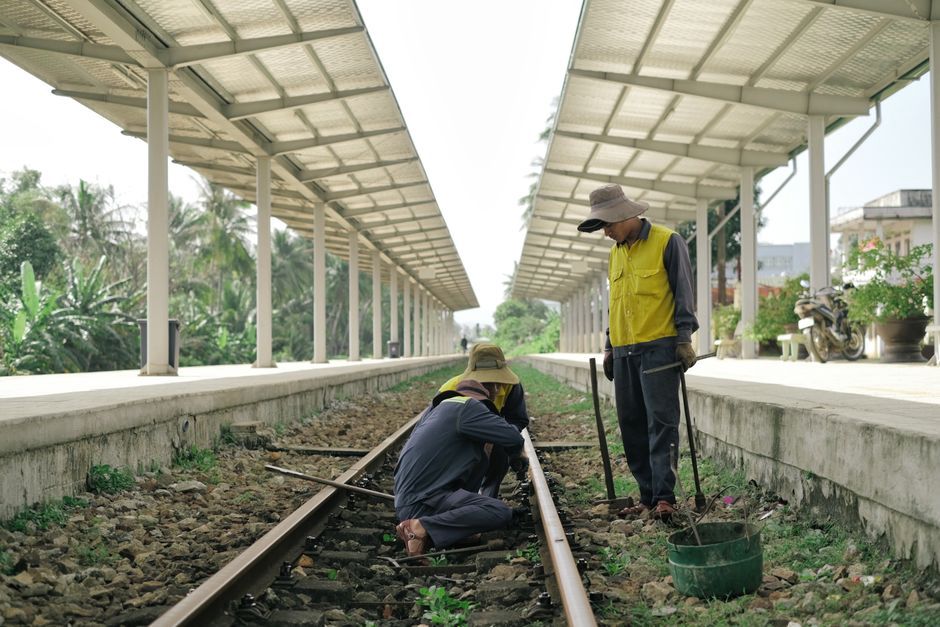
Monitoring earns its place when a change can trigger a proportionate response. Possible measures include track geometry, settlement near excavations, drainage performance, pavement defects, structural movement and recurring hazards on access routes. Choose them against known failure modes, not because a sensor is available. Baseline observations and dependable location records matter: without them, variation in a reading may be impossible to distinguish from deterioration.
A practical monitoring plan answers four questions:
- The question: which condition or failure mode needs to be detected?
- The evidence: what inspection, measurement or user report can reveal it?
- The response: who reviews the finding, how quickly, and what further assessment may be required?
- The record: how will repairs and subsequent observations be tied to the same asset location?
Do not borrow thresholds without understanding the asset and measurement method. An apparent shift may reflect temperature, sensor movement or a changed survey reference. A small defect at a platform edge, meanwhile, may matter more to users than a larger movement elsewhere. Pair measurements with site inspection before deciding whether a reading indicates an instrument problem or a developing safety issue.
Keep trade-offs visible through delivery
Procurement and site changes can undo sound design decisions. A substituted surface, relocated drainage inlet or revised construction stage may affect accessibility, maintainability and environmental performance at once. Keep a traceable record of the intended function, supporting evidence, remaining uncertainty and who will verify the installed work.
At handover, the operator needs records of what was built, including concealed drainage, inspection points, movement joints, repaired ground and components requiring special maintenance. For a new transit stop, a useful final check is to walk every passenger approach after rainfall, then compare ponding, surface changes and crossing visibility with the as-built drainage and access records.