
Smoke can make a tunnel untenable before a fire damages its lining. Hot gases from a vehicle or equipment fire can quickly reduce visibility, threaten breathing conditions and obstruct access for responders. Fire safety therefore involves more than detecting flames: operators need to limit ignition opportunities, identify an incident early, keep an evacuation route usable and establish whether the tunnel is fit to reopen afterward.
Start with credible fire scenarios
Road, rail and service tunnels present different risks. Traffic mix, train operations, length, gradient, ventilation, cross-passages and portal access all shape the consequences of a fire. A stopped train may leave passengers far from a portal; a road-tunnel fire may trap queuing traffic on either side. Maintenance brings its own ignition sources, including hot work and temporary electrical equipment.
Scenario assessments should separate a plausible design-basis event from more severe events used to test resilience. Assumptions about heat release, fire location and growth rate affect estimates of smoke and exposure, but no single nominal fire size represents every incident. Analysts must also allow for impaired equipment, congested exits and the interval between ignition and a confirmed control-room response. Applicable requirements and final design scenarios must be established through project-specific engineering assessment with the responsible authority.
Prevent ignition and limit available fuel
Operations and fixed equipment
Much of prevention depends on routine controls. Inspection of electrical cabinets, cable terminations, bearings and ventilation machinery can reveal overheating or degraded insulation. Housekeeping reduces combustible build-up in service spaces and drainage channels. Hot-work permits need to cover isolation, a fire watch and checks after work ends; the permit alone does not control the hazard.
In traffic-bearing tunnels, procedures for abnormal vehicles or trains, stalled traffic and hazardous loads can help staff intervene before an obstruction becomes a fire emergency. Restrictions must suit the route's use and regulatory context. They cannot simply be carried over from another tunnel.
Materials and compartmentation
Material choice affects how a small ignition develops. Cable jackets, equipment enclosures, wall finishes and other components should be assessed for relevant fire behavior, including smoke and toxic effluent where required—not merely for a noncombustible label. Fire-resisting doors and sealed penetrations protect cross-passages and technical rooms only while they remain intact. A propped-open door or an unsealed new cable penetration can compromise the boundary.
Structural protection has a separate aim: retaining sufficient capacity as temperatures rise. Severe heating can cause concrete to spall, exposing reinforcement and reducing the section; heated steel components can lose strength. The protection needed depends on credible fire exposure, structural form and recovery objectives. materials science for durable transport infrastructure covers broader principles of material behavior and degradation, but fire exposure needs its own assessment.
Detection must lead to a usable decision
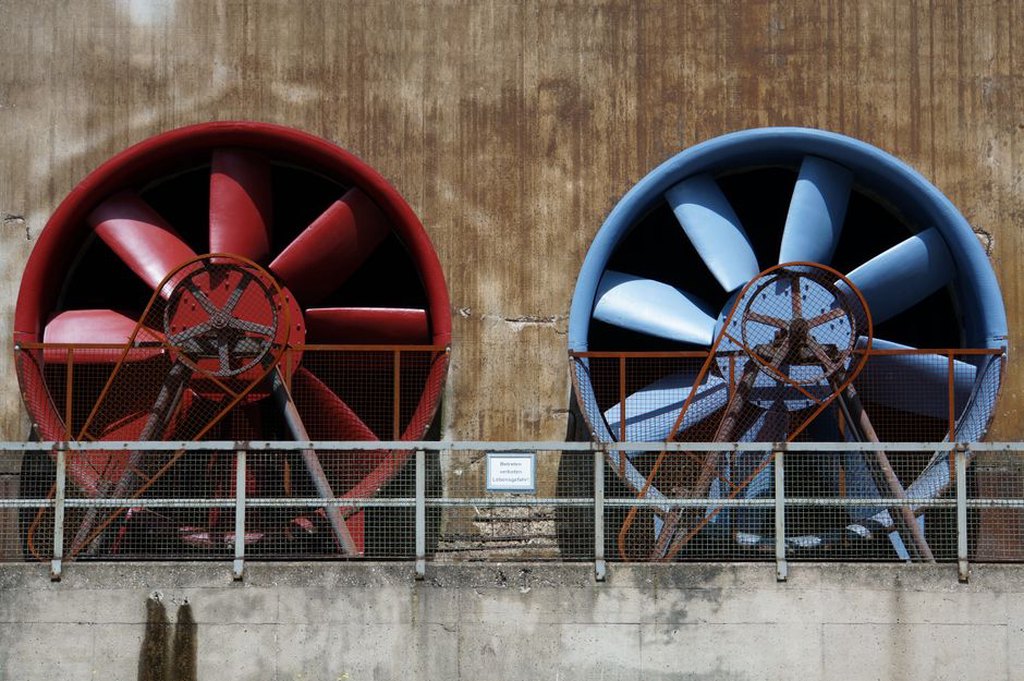
Cameras, heat or smoke detectors, emergency calls and equipment alarms can all alert operators. Each has limits: a camera view may be obscured, smoke may take time to reach a detector, and an alarm may identify only a zone. Independent indications can strengthen confidence, provided the control room has clear rules for what requires verification and what calls for immediate action.
Detection is only the first interval in the response. Alarm transmission, interpretation, confirmation where appropriate, traffic intervention, public instructions and activation of ventilation or suppression all take time. Exercises should test the full sequence, including ambiguous initial reports and a failed communication channel. Timestamped alarm logs can show where decisions were delayed, rather than simply recording that a system activated.
Manage smoke for evacuation, not appearance
Ventilation is intended to influence where smoke travels and whether people can reach relative safety. Longitudinal airflow may push smoke in one direction; other arrangements may extract it near the fire or manage pressure between spaces. The right approach depends on portal conditions, gradient, traffic position, cross-passages and evacuation direction. Airflow that is too strong or misdirected can carry smoke toward people who would otherwise have a clearer route.
A smoke-control strategy must account for fire location and changing conditions as the incident develops. Operators need to understand how automatic modes interact with manual overrides, and how to tell whether fans and dampers reached their commanded states. A command on a control screen does not prove that airflow was achieved. Commissioning tests, periodic functional checks and maintenance records should establish what the installed system does, within safe test limits.
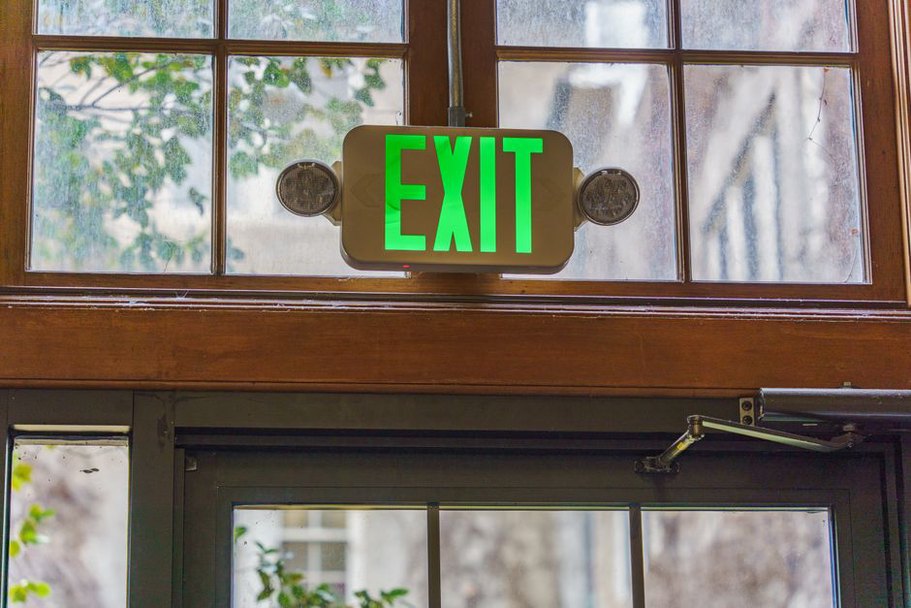
Evacuation provisions link that system response to human movement. Signs, emergency lighting, communications and cross-passage doors must remain understandable in poor visibility. Plans should account for people who move more slowly than assumed and for responders entering against the evacuation flow. At portals, held traffic must not obstruct emergency access or discharge areas.
Suppression is one layer of control
Fixed suppression may slow fire growth or reduce heat exposure, but performance depends on the hazard and the installed system. Water-based systems need a reliable supply, suitable discharge coverage, protected controls and adequate drainage. They do not replace detection, evacuation or smoke management: applying water may change smoke movement and create visibility or drainage problems that the response plan must address.
Responders also need working water supplies, communications, incident-location information and safe staging points. Joint exercises with operators and emergency services can expose conflicts between traffic closures, ventilation modes and access routes that may not be apparent on drawings.
Inspect the structure before reopening
Soot alone is a poor guide to structural damage. Post-fire inspection should map the fire location and evidence of duration, along with spalling, cracking, exposed reinforcement, damaged joints and affected services. Heat can damage concrete or protective layers without uniform marks on the surface; suppression water may enter drainage, cable routes or joints. Findings should guide any sampling, testing or structural analysis. A visual impression alone is not clearance for full operation.
Recovery also means checking the systems used for evacuation and firefighting. Door closers, seals, luminaires, detectors, cables, fans, dampers and communications equipment may have been exposed to heat, smoke or water beyond the visibly burned area. Before staged reopening, operators can record each affected system's test result alongside access restrictions and outstanding repairs. A location-based defect register gives the team a way to track each damaged penetration, door or cable run through inspection and reinstatement.