Introduction to Geotechnical Monitoring Techniques
Geotechnical monitoring is a crucial aspect of maintaining the safety and durability of transport infrastructure. By observing and measuring the physical and chemical properties of soils and rocks, engineers can support the stability of roads, railways, bridges, and tunnels. These techniques are essential for predicting potential failures and addressing risks linked to ground movements and soil settlements.
Emerging Technologies in Geotechnical Monitoring
Technological advancements have greatly improved geotechnical monitoring capabilities. Here are some of the latest innovations:
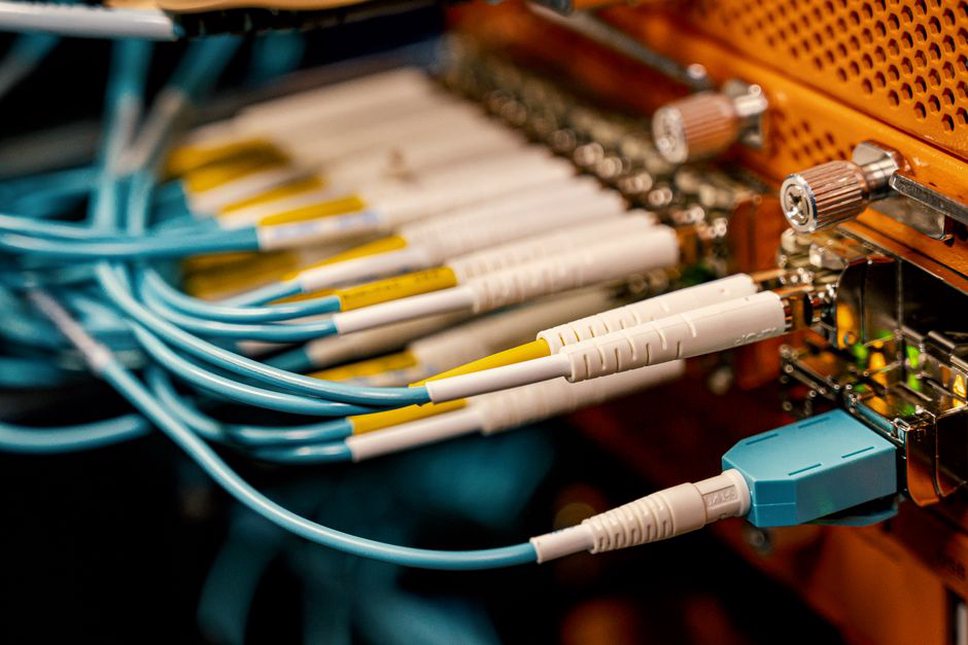
- Fiber Optic Sensors: Known for their ability to deliver continuous, real-time data over long distances, these sensors are embedded within structures and soils to detect changes in strain, temperature, and pressure.
- Wireless Sensor Networks (WSNs): By eliminating the need for extensive cabling, WSNs offer a flexible solution that can be easily deployed in challenging environments, gathering data from multiple sensors to provide a detailed picture of geotechnical conditions.
- Satellite Remote Sensing: Techniques like InSAR (Interferometric Synthetic Aperture Radar) are used to monitor ground deformation over large areas, making them particularly useful for detecting subsidence and landslides.
Application of Geotechnical Monitoring in Transport Infrastructure
Geotechnical monitoring is applied in various aspects of transport infrastructure to improve safety and longevity. Here are some key applications:
Road and Railway Foundations
Monitoring the settlements and stability of road and railway foundations is vital to prevent structural failures. Advanced techniques provide data on soil behavior and foundation integrity, aiding in the design of resilient railway tracks. For more on this topic, read about Designing Resilient Railway Tracks: A Multidisciplinary Approach.
Bridge and Tunnel Safety
Structural health monitoring systems in bridges and tunnels use geotechnical data to evaluate stability and performance. Techniques like fiber optic sensing can detect early signs of structural distress, enabling timely maintenance and repairs. For insights on tunnel safety, consider Enhancing Tunnel Safety: Innovations and Challenges.
Ground Settlement Monitoring
Ground settlements can significantly challenge transport infrastructure. Geotechnical monitoring techniques help identify potential issues early, allowing engineers to implement solutions such as soil stabilization or foundation reinforcement. To understand the impact of ground settlements on railways, refer to Ground Settlements: Challenges and Solutions for Railways.
Challenges and Future Directions
Despite the benefits of geotechnical monitoring advancements, several challenges persist:
- Data Integration: Combining data from various sensors and sources into a unified monitoring system remains complex, requiring advanced data management and analysis tools.
- Cost and Accessibility: The high cost of advanced monitoring technologies can hinder widespread adoption, especially in developing regions.
- Environmental Factors: Harsh environmental conditions can impact the performance and reliability of monitoring equipment, necessitating durable solutions.
Looking forward, geotechnical monitoring is expected to integrate further with artificial intelligence and machine learning, enhancing predictive capabilities and decision-making processes. Developing more affordable and accessible technologies will also be crucial in expanding these techniques globally.
In conclusion, advances in geotechnical monitoring techniques are vital for improving the safety, resilience, and sustainability of transport infrastructure. By utilizing innovative technologies, engineers can better predict, monitor, and address potential geotechnical issues, ensuring the longevity and performance of critical infrastructure assets.