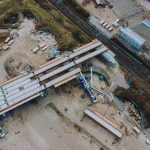
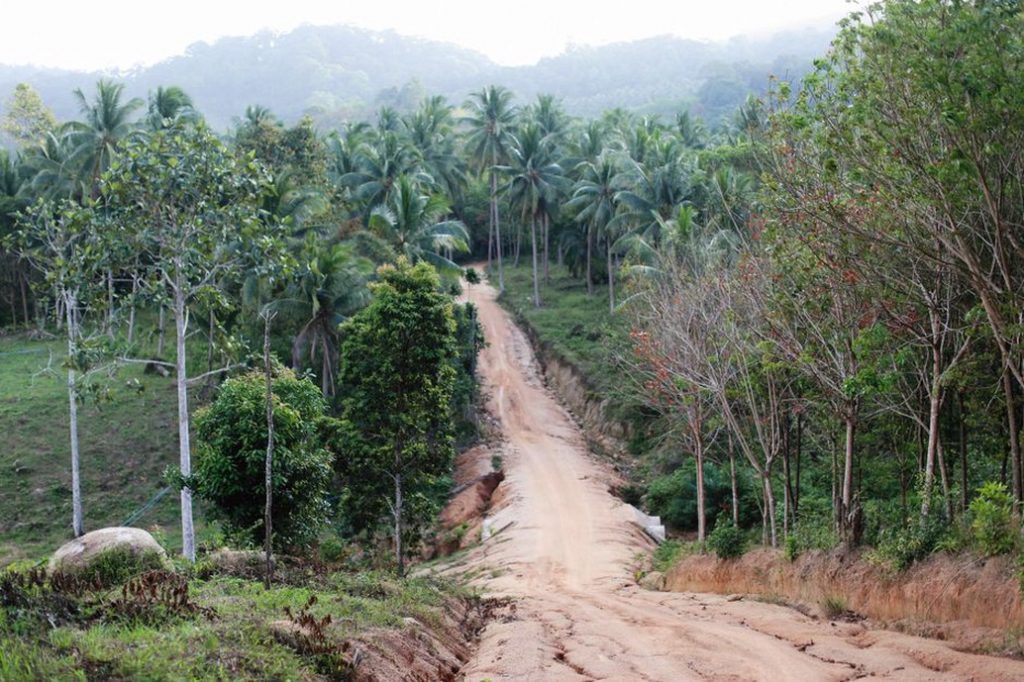
A freshly graded road embankment can lose soil before permanent drainage is in place. Rain detaches fine particles from exposed fill, and runoff concentrates along wheel ruts, lift edges or the toe. Prevention starts with the construction sequence: limit how long erodible soil stays bare and control where water travels in the meantime.
On transport projects, that sequence must account for cuts, fills, haul routes, bridge approaches and drainage outfalls. Controls must protect receiving channels without directing runoff onto a railway formation or beneath a pavement edge. Temporary measures and permanent works operate at different stages, but both need planning before earthworks begin.
Plan around water pathways and construction phases
Divide the site into contributing drainage areas, then trace where runoff enters, accelerates, collects and leaves each one. Ground investigation can identify soil grading, dispersive or readily erodible material, groundwater emergence and existing cover. Survey data reveal slope lengths, low points and connections to culverts or streams. Historic rainfall and site observations help identify likely periods of wet-weather exposure; a single design storm cannot describe every construction condition.
Drawings should distinguish finished drainage from interim arrangements. A ditch intended to collect runoff may not exist when excavation starts. A temporary diversion, meanwhile, can create a concentrated discharge if it lacks a stable outlet. The plan needs to change as cuts deepen, embankments rise, culverts are installed and disturbed areas are stabilized.
- Before disturbance: mark vegetation to be retained, establish stable access and protect outlets that will receive construction runoff.
- During earthworks: where practicable, separate clean runoff from water crossing exposed soil, and shorten or interrupt long overland flow paths.
- At each phase change: check whether new grades direct water toward an unprotected face, low point or adjacent property.
- Before demobilization: remove temporary controls only when permanent cover and conveyance routes can perform their intended functions.
These checks address short-lived site configurations that can cause erosion before the finished drainage system is operational. They are more useful at that stage than waiting to diagnose damage after it appears.
Reduce detachment before relying on sediment capture
Sediment traps and barriers manage particles already in motion. Keeping soil in place is usually more dependable, particularly beside a road or railway where a failed control could affect a ditch, culvert or watercourse. Retain vegetation outside the work footprint, strip only active work areas and stabilize completed slopes promptly.
Choose surface treatments for the soil, season, gradient and expected flow. Mulch, erosion-control blankets and vegetation can shield soil from raindrop impact while roots establish. Temporary covers can protect stockpiles and unfinished grades if they are anchored and shed water toward a stable location. Where flow concentrates, however, a blanket or seed is no substitute for a designed conveyance route. Water can pass beneath a cover, tear it or cut a channel alongside it.
Stockpiles need their own checks. Exposed faces shed sediment, and a poorly placed pile can block an existing flow path and redirect water onto nearby works. Setbacks, covers and perimeter controls should reflect the site layout and local requirements. Material intended for reuse in an embankment can still cause erosion while it is stockpiled.
Control runoff without transferring erosion downstream
Runoff controls must limit the water crossing bare soil and carry unavoidable flow without damaging the channel or outlet. Temporary berms, interceptor drains and diversions can keep upslope clean water out of an open cut. Check structures or other energy-dissipating features may slow flow in suitable temporary drains. Spacing, capacity, maintenance access and overflow routes all need site-specific assessment: a structure that overtops may send water down a new erosion path.
At an outlet, inspect both the flow energy and the receiving material. A culvert apron may remain intact while water scours unprotected soil just beyond it. Likewise, a lined drain may deliver runoff downstream faster than the former diffuse flow. Outlet protection must account for the transition into the receiving channel and potential effects on banks and adjacent infrastructure.
Where work intersects a stream, bridge drainage and temporary works should avoid exposing loose soil directly to flowing water. Requirements for in-water work, sediment containment and discharge quality vary by jurisdiction and project approval. For a wider discussion of environmental pathways and the evidence used to select controls, see environmental assessment for transport infrastructure.
Match controls to the earthwork detail
Cut slopes and embankment faces
Runoff gains erosive power on long, uninterrupted slopes. Benches, interceptors and surface roughening can break up flow where they suit the slope stability and final geometry. Fill placement and compaction matter too: loose material at the face or poorly compacted edges can erode even if the interior meets the intended earthwork standard. Drainage features need geotechnical review because concentrating infiltration in the wrong place can weaken a slope.
Roadside ditches and railway corridors
Ditches must convey water, not merely collect it. Gradient, lining, transitions and maintenance access affect whether flow causes scour. During construction, unfinished ditch sections need defined inlets and outlets; otherwise water may bypass them and undermine a shoulder or trackside formation. Sediment controls must not obstruct drainage enough to back water up against the infrastructure.
Crossings, approaches and work pads
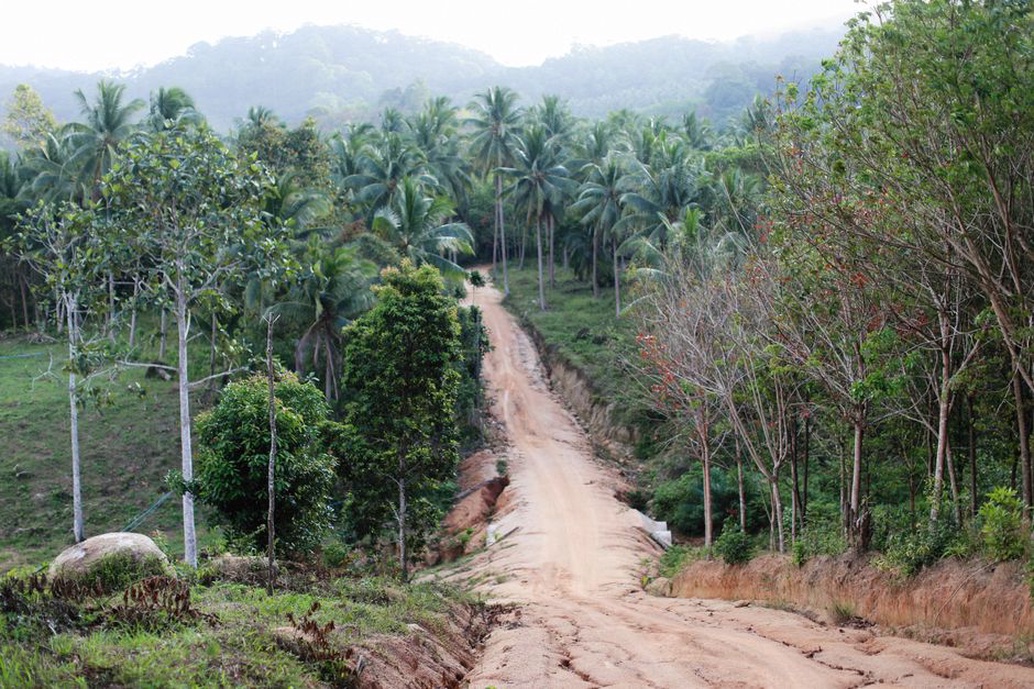
Bridge approaches and temporary access routes often combine disturbed ground, vehicle traffic and short drainage paths to a watercourse. Keeping traffic on designated, maintained surfaces limits the ruts that become runoff channels. At crossings, examine the join between a temporary pad and natural ground: even a small step or gap can focus flow and start scour around an otherwise stable surface.
Inspect for function, not just presence
A control works only while it intercepts the intended flow and has enough capacity. Schedule inspections around construction changes and significant rainfall, with extra checks where failure could affect an operating road, railway or watercourse. Look for sediment buildup, bypass tracks, ponding against earthworks, displaced covers, blocked culverts and erosion immediately downstream of outlets.
Records should identify the location, weather or flow conditions, defect, corrective action and whether the repair worked during the next rainfall. Photographs from repeatable positions help show changes in rills or sediment deposits. If a barrier repeatedly fills or overtops, restoring it alone may not fix the problem; the contributing drainage area or exposed surface may need attention.
At handover, check that temporary drainage has left no unintended low points and that permanent outlets remain clear after final grading. For a newly seeded embankment, the first post-rain inspection can note whether runoff stayed in the intended ditch, whether rills formed on the face and whether sediment reached the outlet. That record gives the maintenance team a baseline for the next inspection.