Understanding the Complexities of Tunnel Engineering
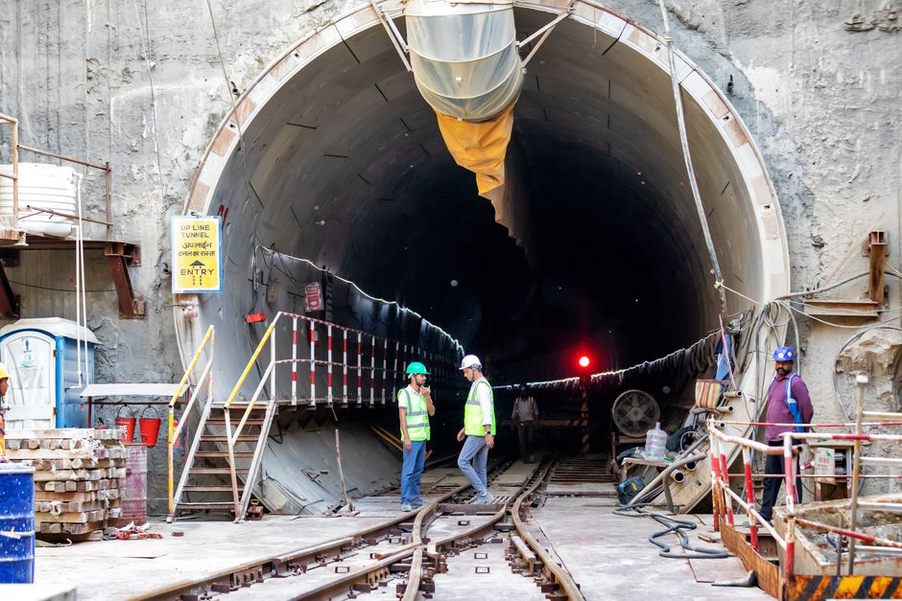
Tunnel engineering plays a vital role in transport infrastructure, focusing on the design, construction, and upkeep of tunnels for roads, railways, and utilities. Engineers face a multitude of challenges, including geological, technical, and environmental factors, all of which demand effective solutions to maintain safety and functionality.
Geotechnical Challenges
One of the main hurdles in tunnel engineering is navigating diverse geological conditions. Each project begins with a detailed geotechnical investigation to assess soil and rock properties, groundwater levels, and seismic activity. These assessments are essential for predicting ground behavior during tunneling and choosing suitable construction methods.
In areas with intricate geological formations, unexpected ground conditions can cause significant delays and increase costs. Advanced geotechnical monitoring techniques can improve the predictability of these conditions. For more on how geotechnical monitoring enhances transport infrastructure, see Enhancing Transport Infrastructure with Geotechnical Monitoring.
Technical Challenges
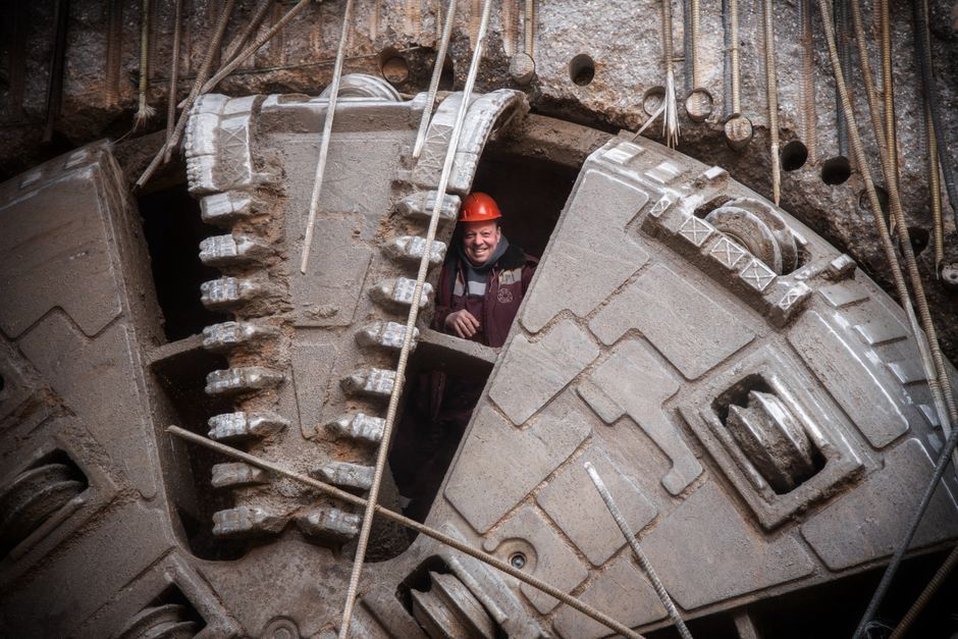
Technical challenges often stem from the need to balance safety, cost, and environmental impact. Choosing and operating tunnel boring machines (TBMs) and other excavation technologies require precision to minimize disruptions and ensure accurate alignments.
- Ventilation Systems: Adequate ventilation is crucial for maintaining air quality and safety, especially in longer tunnels.
- Water Ingress: Effective waterproofing and drainage systems are essential to prevent structural damage from water ingress.
- Fire Safety: Using fire-resistant materials and implementing comprehensive fire management systems is vital for the safety of tunnel users.
Environmental and Sustainability Considerations
Environmental factors significantly influence tunnel projects. Reducing the impact on local ecosystems and minimizing carbon footprints are key goals. Sustainable tunneling practices include using recyclable materials, energy-efficient construction methods, and strategies to reduce noise and dust pollution.
Incorporating sustainability into transport infrastructure projects is crucial for meeting present needs while considering future demands. An exploration of these practices can be found in Sustainability in Transportation: Balancing Present and Future Needs.
Solutions and Innovations in Tunnel Engineering
Innovative solutions have been developed to tackle the challenges in tunnel engineering:
- Advanced Monitoring Systems: Real-time data collection through sensors and IoT devices allows for continuous monitoring of tunnel conditions, enabling timely interventions.
- Improved TBM Technology: Modern TBMs feature enhanced cutting tools and automated systems that boost efficiency and accuracy in varying geological conditions.
- 3D Modelling and Simulation: These tools help engineers visualize potential issues and optimize designs before construction begins, reducing the risk of unforeseen problems during tunneling.
Case Studies and Practical Applications
Numerous case studies worldwide demonstrate successful solutions in tunnel engineering. The Gotthard Base Tunnel in Switzerland, for example, used state-of-the-art TBMs and extensive geotechnical analysis to overcome complex geological challenges. Similarly, the SMART tunnel in Malaysia combines stormwater management with road traffic, showcasing innovative use of tunnel space for dual purposes.
In conclusion, while tunnel engineering presents significant challenges, ongoing advancements and innovations provide promising solutions. By focusing on detailed geotechnical analysis, adopting modern technologies, and emphasizing sustainability, engineers can effectively manage the complexities of tunnel construction and maintenance.